
The TIMS card, region by region: what's actually required to trek Nepal in 2026
Nepal's TIMS card is no longer a one-size-fits-all rule. In 2026 it's gone in Everest, barely enforced in Annapurna, and still required (now digital) in Langtang — here's the real map.
At a glance
- Published · updated
- TopicPermits & Rules
- Verified againstTAAN / Nepal Tourism Board
- Treks coveredEverest Base Camp Trek — 12 Days, Langtang Valley Trek — 7 Days, Annapurna Base Camp Trek — 9 Days
For years, the answer to "do I need a TIMS card?" in Nepal was a simple yes. In 2026 it is genuinely "it depends on where you are going." The Trekkers' Information Management System card — long a near-universal requirement — is being unwound region by region, replaced in some areas by local entry fees and in others by a digital version. Here is what is actually being asked of trekkers right now, and where the picture is still in transition.
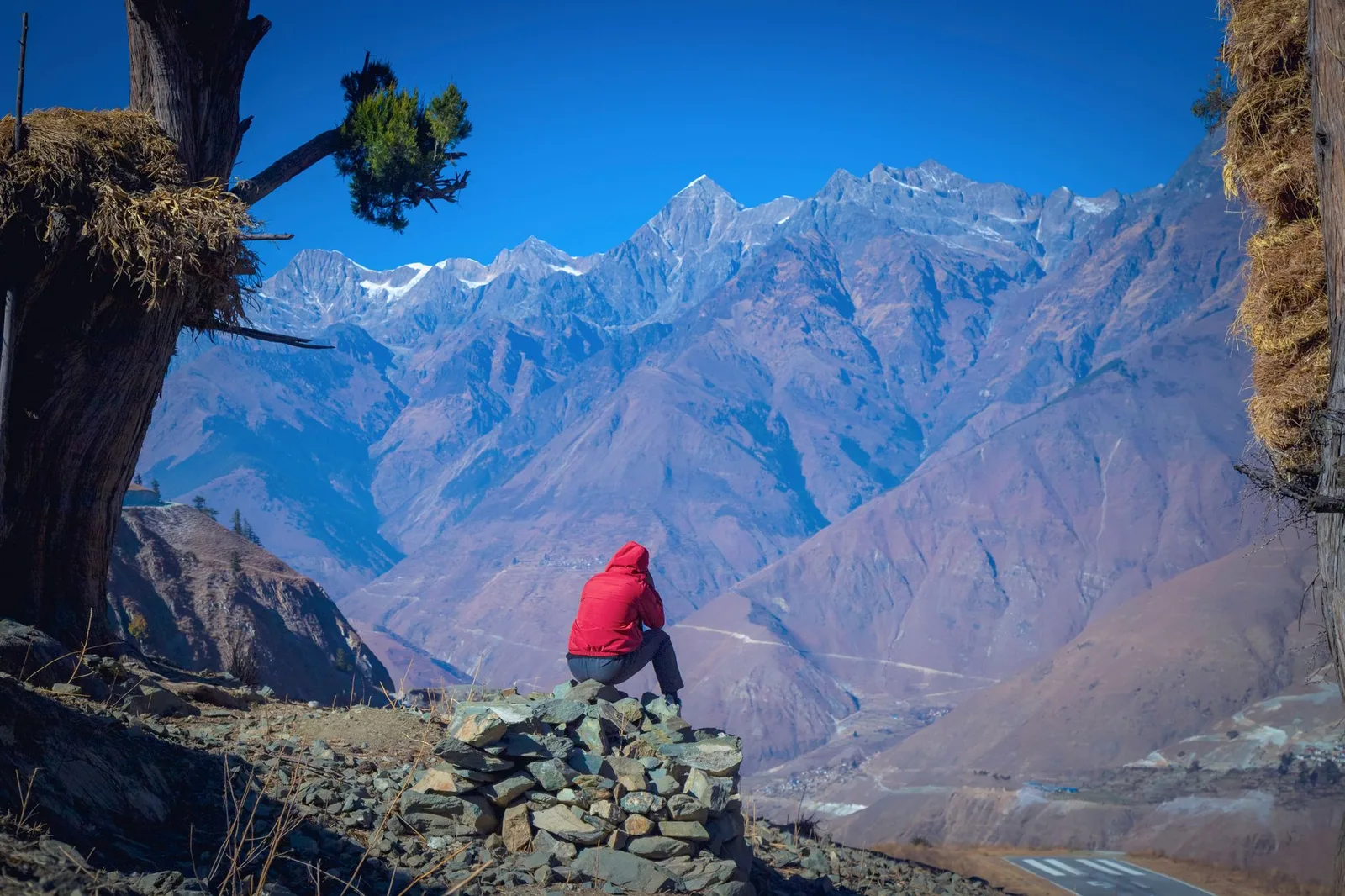
From the trail · Mustang


Key facts
- TIMS has been discontinued in the Everest/Khumbu region
- It is no longer actively enforced at most Annapurna checkpoints
- It remains required in Langtang, now as a digital e-TIMS
- Enforcement is in transition and varies by checkpoint
Region by region
In the Everest region, the TIMS card has been fully scrapped. In its place, the local Khumbu Pasang Lhamu Rural Municipality charges its own entry fee of NPR 3,000, raised from NPR 2,000 in 2025, collected locally. On the Annapurna trails — the Circuit, Base Camp and Poon Hill — checkpoints in 2026 verify the Annapurna Conservation Area Permit (ACAP), and a TIMS card is still required alongside it — registered agencies issue one for every client. In Langtang, by contrast, TIMS is still required, but the old paper card has been replaced by a digital e-TIMS system.
| Region | TIMS status | What you need |
|---|---|---|
| Everest / Khumbu | Discontinued | Local entry fee (NPR 3,000) |
| Annapurna | Required | TIMS + ACAP permit |
| Langtang | Required | Digital e-TIMS + park permit |
| Manaslu / far west | Required | Restricted-area permit + TIMS |
An honest caveat
This is a moving target, and we will say so plainly: sources and checkpoints do not all agree yet. Some operators report TIMS is no longer compulsory anywhere; others confirm it is still actively collected on Langtang and restricted-area routes. Enforcement practice is genuinely in transition through 2026 and can vary from one checkpoint to the next. The conservation-area permits — ACAP for Annapurna, the national park fees for Everest and Langtang — are not affected by any of this and remain firmly required.
What hasn't changed
Two things are worth underlining because they cause the most confusion. First, dropping the TIMS card does not make a region "permit-free" — you still pay the conservation or municipal entry fee, which in most cases costs more than TIMS ever did. Second, the restricted areas (Manaslu, Upper Mustang, Upper Dolpo, Kanchenjunga, Nar-Phu and others) keep their own special permit regime, and a licensed guide through a registered agency remains legally mandatory there.
What this means for you
Do not try to second-guess the TIMS situation from a forum thread — it changes by region and by month. The reliable move is to let your operator pull the exact permits your specific route needs, on current rules, before you fly. We track these changes checkpoint by checkpoint so you arrive with the right paperwork and no surprises at the gate.
The direction of travel is clear: Nepal is decentralising trekking fees toward the regions that actually host trekkers. That is arguably fairer — more of your money stays in the valleys you walk through — but it does mean the old single-card simplicity is gone for good.
Source: Trekking Agencies' Association of Nepal (TAAN) and Nepal Tourism Board, joint TIMS administrators.
Cover photo: Poonhillguide via Wikimedia Commons (CC BY-SA 4.0).
Planning a trek?
Trek this route with us — Everest Base Camp Trek — 12 Days
NMA-certified local guides, transparent pricing, 5,000+ treks since 1998. Message us your dates and we'll sort the permits, lodges and logistics — reply within 24 hours, no obligation.


Popular Nepal treks
All treks →


Related coverage
Flights & Access
Planning a Nepal Trek From Germany in 2026: Real Flights, Costs in Euros and a 12-Day Everest Itinerary
No direct flight links Frankfurt or Munich to Kathmandu, but a Doha or Istanbul connection gets you there in under 15 hours — here is what a two-week Everest trek actually costs a German trekker this year.
Permits & Rules
Nepal Trekking Permit Fees for Autumn 2026, Verified — What Actually Changed (Almost Nothing)
Amid headlines about Everest's climbing costs rising, we checked the actual trekking permit fees against Nepal's official sources — ACAP, TIMS, Sagarmatha, Manaslu and Langtang are all exactly where they were last year.
Permits & Rules
Can you still trek Nepal without a guide in 2026? The honest answer
Nepal's licensed-guide rule reshaped independent trekking. Here's exactly where you can and can't go solo in 2026 — and why the Everest region is the big exception.
Industry & Tourism
Nepal vs Scotland: How the Munros and West Highland Way Compare to Everest Base Camp in 2026
An honest comparison for UK walkers — Ben Nevis, the 282 Munros and the West Highland Way against Everest Base Camp and Annapurna, with real elevations, days and costs.
Latest from the desk
Breaking · Records & People
Nine Months Buried in the Snow: Nepal Just Recovered Five Climbers Lost on a Peak Almost No Trekker Has Heard Of
Rescuers located the bodies of three foreign climbers and two Nepali nationals on August 8, 2026 — nine months after an avalanche buried Yalung Ri's base camp on the closed Tibet border.
Records & People
Meet the Women Rewriting Nepal's Trekking Industry — and the Four AFL Stars Who Just Joined Their Trail
In 1993, three sisters in Pokhara trained Nepal's first female trekking guides because none existed. More than 2,000 women later, four AFLW athletes just trekked Nepal with an all-female crew as women-only bookings jumped 32% in a year.
Records & People
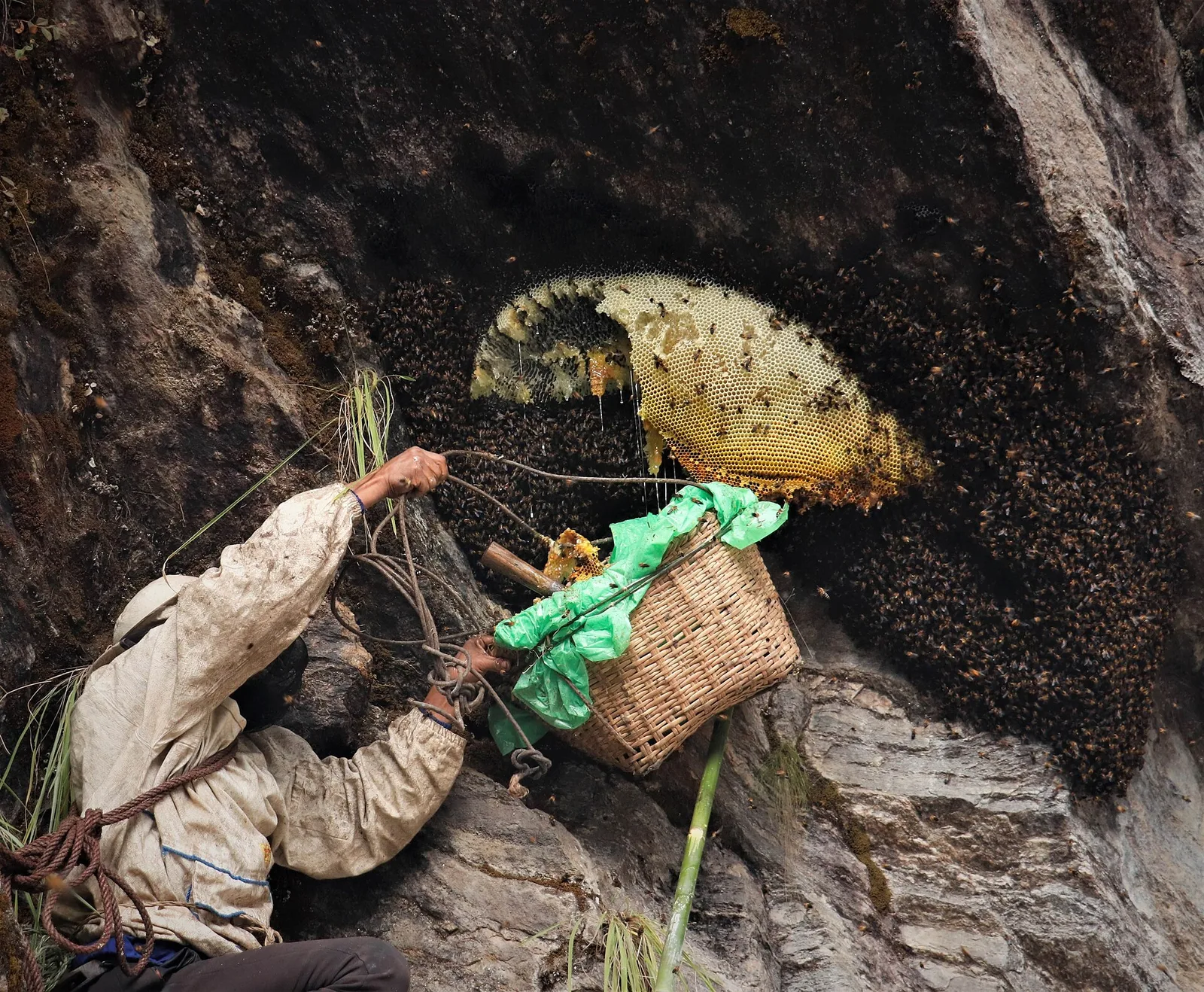
Nepal's Cliff Honey Hunters Risk Their Lives for a Honey That Can Get You High — and the Bees Are Vanishing
High in the cliffs of Lamjung, Gurung hunters climb hand-woven rope ladders for the world's largest honeybee's harvest — a tradition now disappearing at an alarming rate.