
 1 daysEasy5,364 m
Everest Base Camp Helicopter Tour — 1 Day
From / person
$1,680

Duration
11 days
From
$1,620/person
Max Altitude
5,357 m
Difficulty
Challenging
Starts
Lukla (fly from Kathmandu)
Group Size
2–12 People
Stay
Tea House
Meals
Breakfast, Lunch & Dinner
Best Season
Oct–Nov, Mar–May
Early morning 30-minute flight to Lukla with jaw-dropping Himalayan views. Begin trekking south along the Dudh Koshi river through pine and rhododendron forest to the riverside village of Phakding.
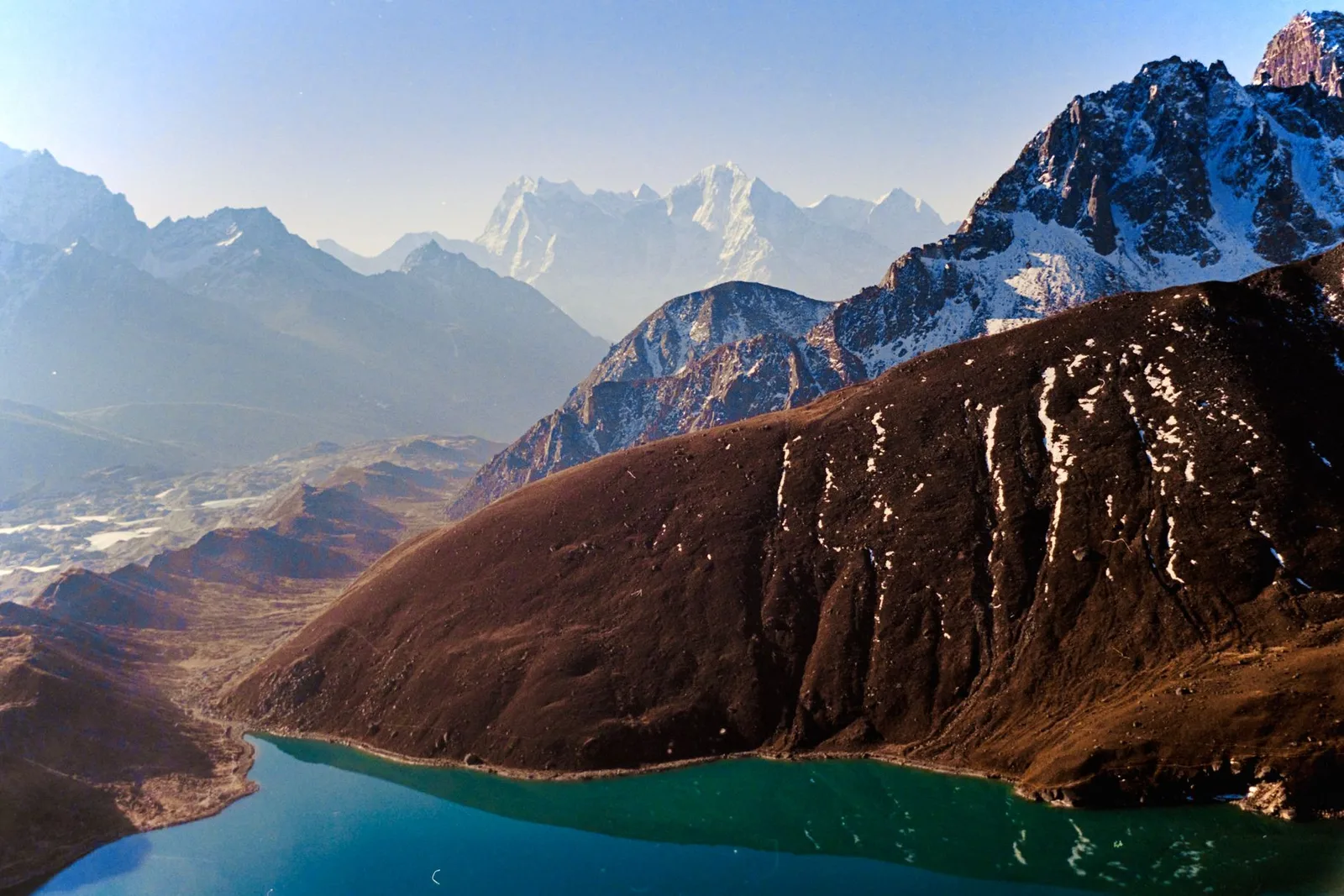
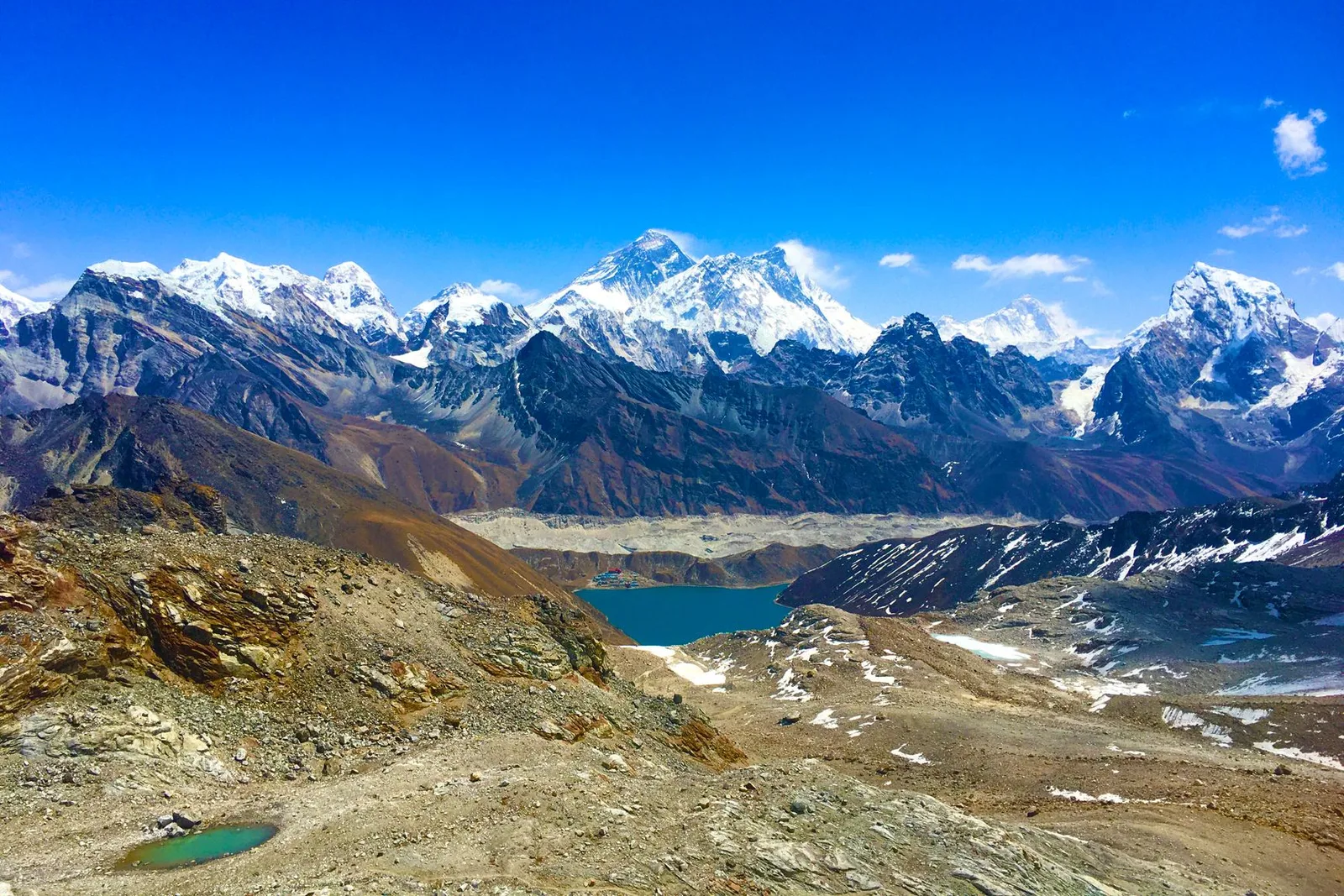
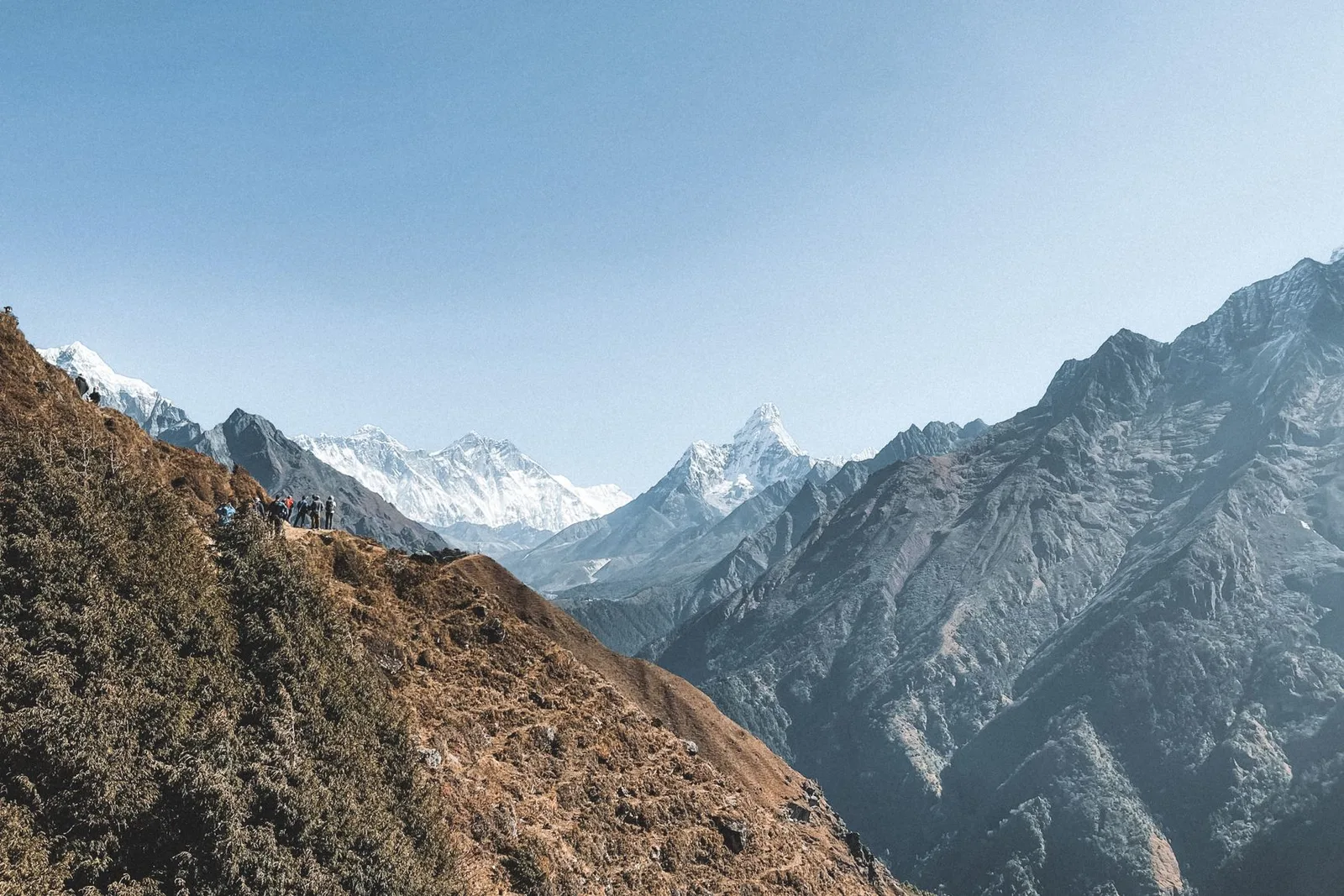
The Gokyo Valley and Lakes trek is the Everest region's best-kept secret: an 11-day journey to the turquoise glacial lakes of Gokyo and the summit of Gokyo Ri (5,357 m) — a viewpoint that many experienced trekkers rank above Kala Patthar for sheer mountain spectacle. From Gokyo Ri's summit, four 8,000 m peaks are visible simultaneously — Everest, Lhotse, Makalu, and Cho Oyu — arranged across the horizon in a 180-degree panorama that no photograph quite captures.
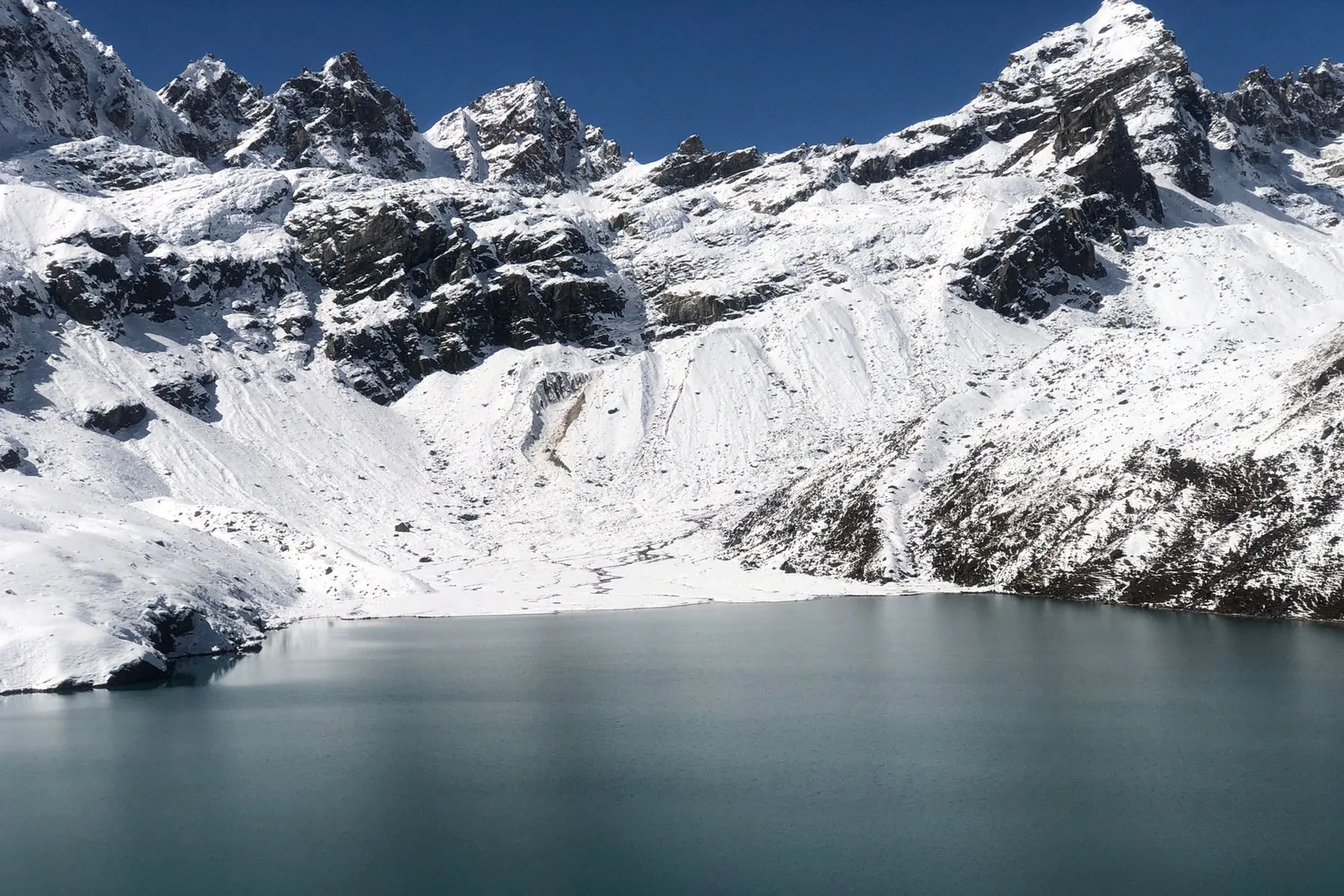
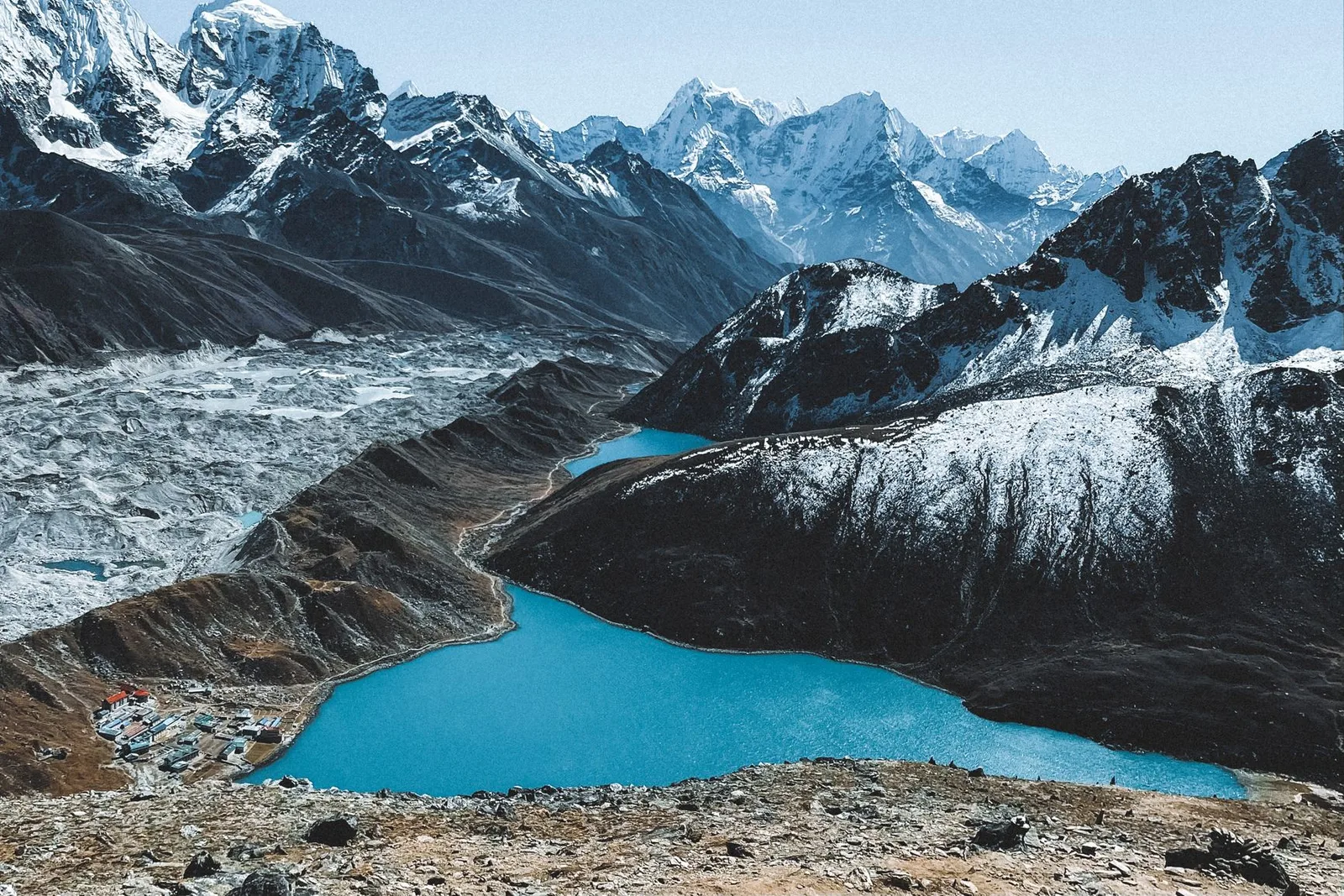
The approach follows the classic Namche–Khumjung route before branching west at Dole into the quieter Gokyo valley, following the moraine of the Ngozumpa Glacier — the longest glacier in the Himalaya outside the polar regions — northward through the string of five sacred Gokyo Lakes. The largest, Dudh Pokhari (4,750 m), sits at the foot of Gokyo village with the entire Gokyo Ri rising behind it. On a still morning, the lake mirror-reflects the surrounding peaks in a scene that appears staged for a travel magazine.
The itinerary includes two nights at Gokyo (4,750 m) for acclimatisation and the optional extension to Scoundrel's View (5,000 m) for the day panorama across the icefall to Everest. The return via Namche follows the high trail through Khumjung and the Hillary school, one of the most historic walking routes in Nepal.
EBC is more famous; Gokyo is more beautiful. At EBC you see the back of Everest and the Khumbu Icefall up close — dramatic and historic, but not a visual mountain panorama. At Gokyo Ri you see Everest, Lhotse, Makalu, and Cho Oyu spread across the horizon — four 8,000 m peaks in one frame. EBC reaches 5,364 m; Gokyo Ri reaches 5,357 m. The effort is comparable; the experience is different. For trekkers who want mountain views over mountain history, Gokyo is the answer.
Best seasons: October–November and March–May. Flights: Kathmandu–Lukla–Kathmandu included. Max altitude: Gokyo Ri 5,357 m.
Autumn (Sep–Nov)
Prime season. October is perfect — clear skies, stable weather, 4–6 week dry window. November gets cold at altitude but still excellent. EBC trail at its busiest.
Spring (Mar–May)
Climbing season — expeditions on Everest. Good trekking weather. Rhododendrons in Namche area. Pre-monsoon cloud builds in afternoon from May. Slightly warmer than autumn.
Winter (Dec–Feb)
Very cold. Khumbu trails remain open but temperatures extreme at EBC (-20°C+). Experienced cold-weather trekkers only. Fewer crowds. Lodges may be closed above Namche.
Monsoon (Jun–Aug)
Not recommended. Trails wet and unstable. Cloud cover obscures mountain views. Risk of landslides on lower sections.
Sagarmatha National Park Permit
USD 30Required for all trekkers. Checked at Monjo gate.
TIMS Card
USD 20Trekkers Information Management System — required for all Nepal treks
Khumbu Pasang Lhamu Rural Municipality Fee
NPR 2,000 (approx USD 15)Local municipality entry fee introduced in 2023
All permits are arranged and included in your package price. Nothing to organise yourself.
A detailed packing list will be sent with your booking confirmation. Gear rental available in Kathmandu and Pokhara.


On the Trail
Your Himalaya Awaits
Private departures on any date, a hand-picked NMA guide, and an itinerary built around you. Tell us your dates — we usually reply within a few hours.
$1,620
/ person · all-inclusive

