
 1 daysEasy5,364 m
Everest Base Camp Helicopter Tour — 1 Day
From / person
$1,680

Duration
14 days
From
$3,400/person
Max Altitude
6,189 m
Difficulty
Extreme
Starts
Lukla (fly from Kathmandu)
Group Size
2–8 People
Stay
Tea House / Base Camp
Meals
Breakfast, Lunch & Dinner
Best Season
Oct–Nov, Mar–May
Airport pick-up and transfer to hotel. Evening welcome dinner with your lead guide covering the expedition plan, gear check, and permit documentation.
The 14-day Island Peak Climbing itinerary is our accelerated option for experienced trekkers who have prior Khumbu altitude experience and want to attempt Imja Tse (6,189 m) in the shortest viable timeframe. The route follows the classic EBC approach to Namche and Dingboche for acclimatisation, then branches to Chhukung and Island Peak Base Camp (5,087 m) — skipping the Gorak Shep and Kala Patthar extension included in the 18-day version to gain 4 days on the schedule.
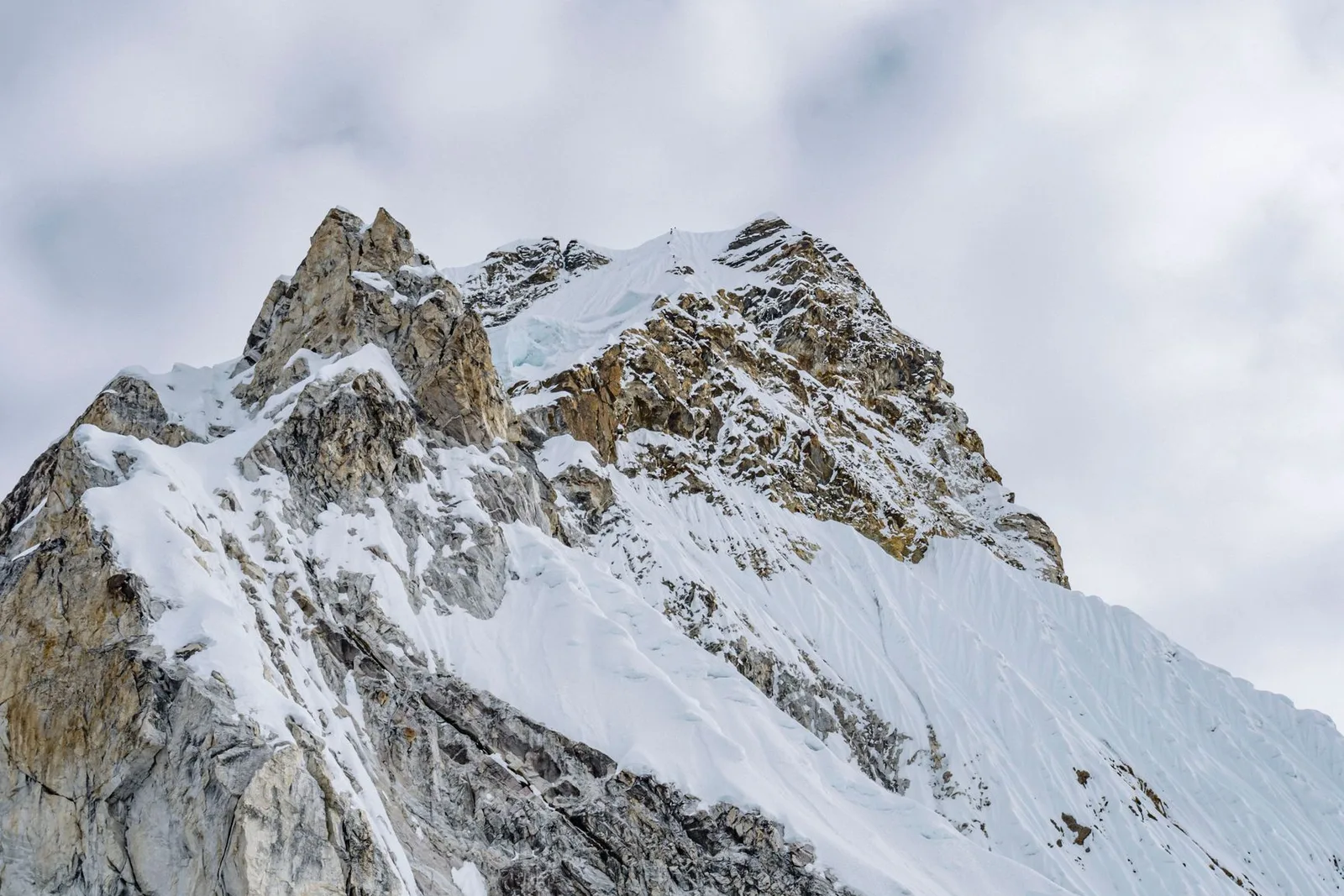
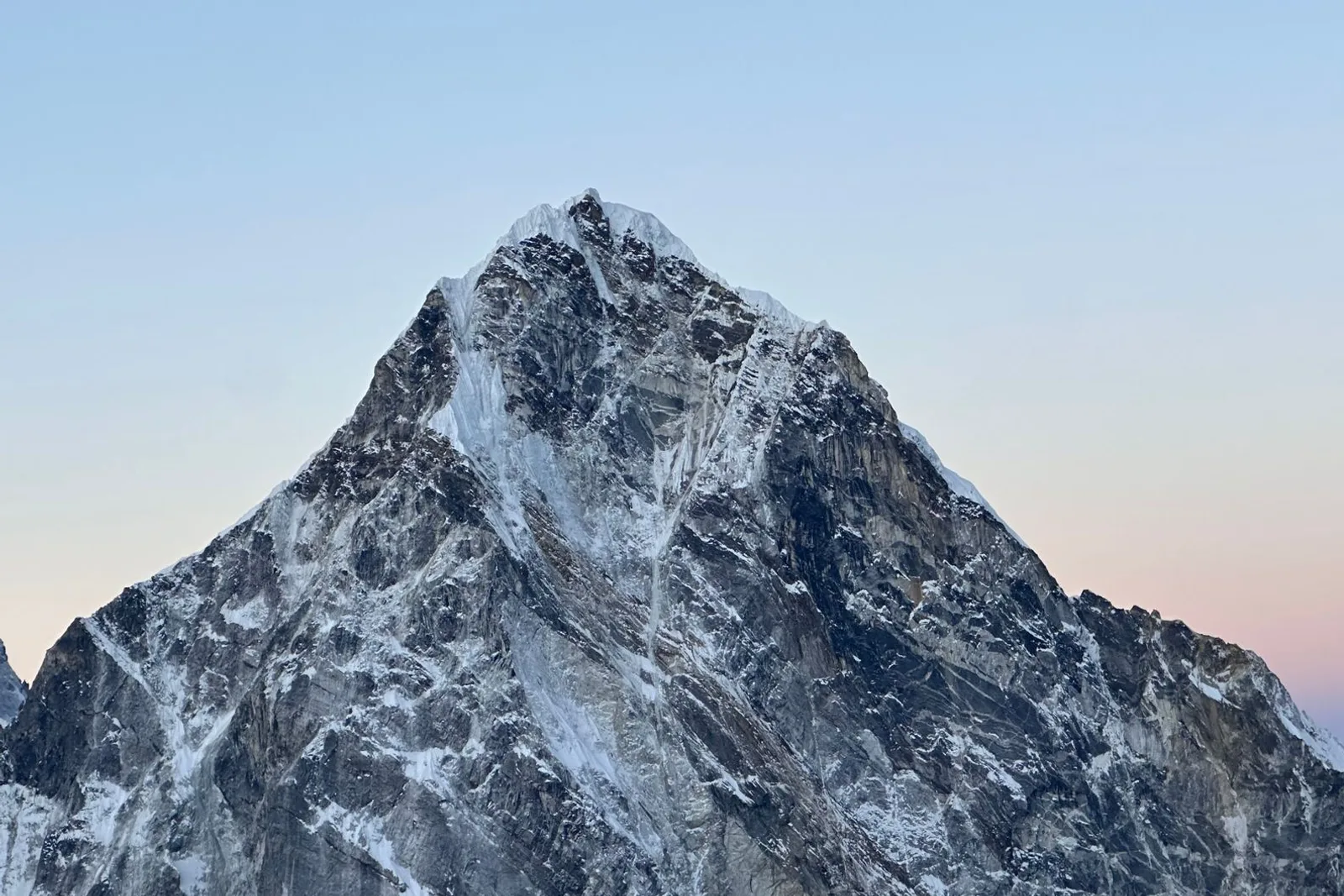
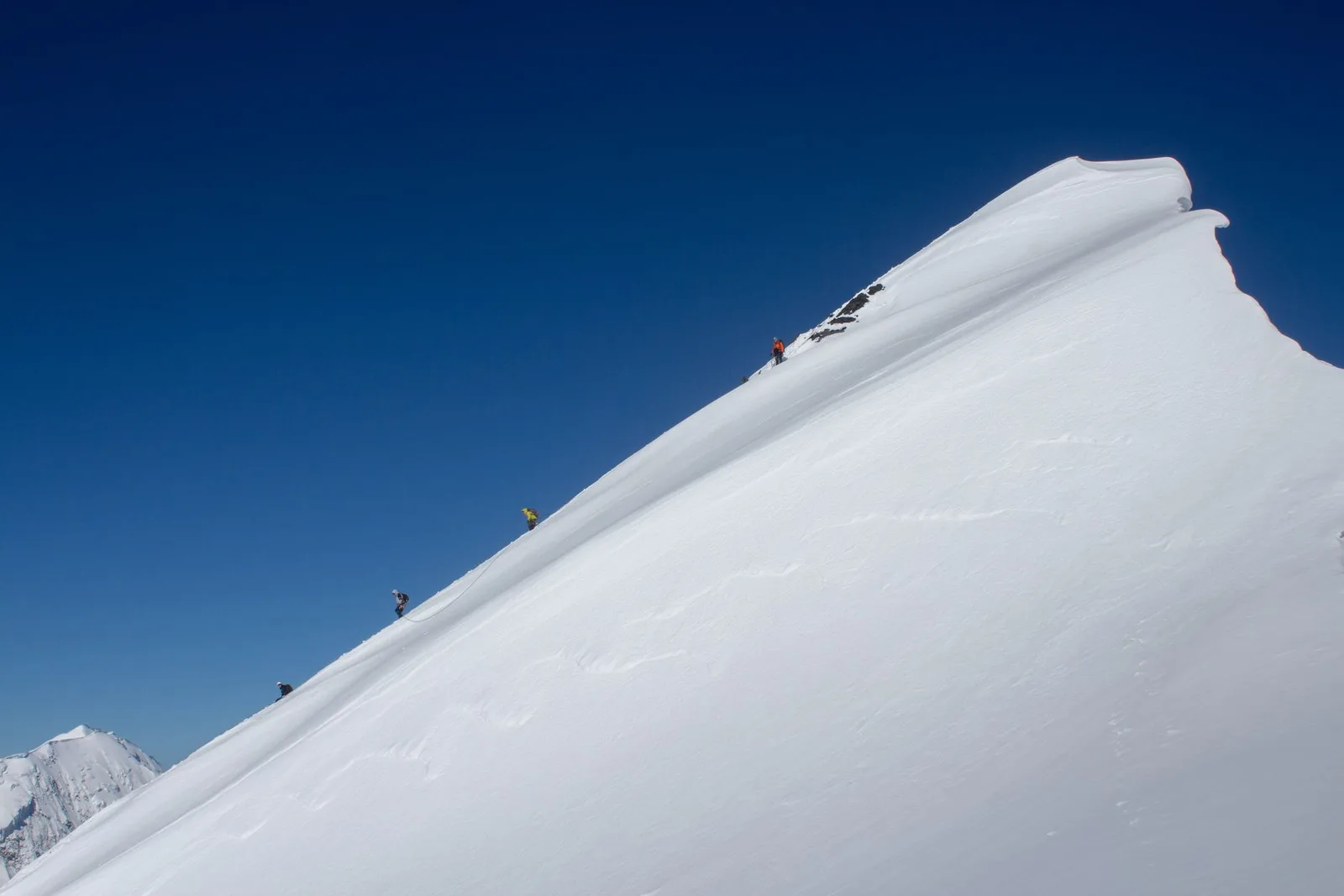
Island Peak is a genuine technical climb: the upper mountain involves crampon work on glacier ice, jumar ascent on 45-60 degree fixed ropes, and a narrow summit ridge. The 14-day schedule reaches high camp with adequate altitude adaptation for trekkers who arrive with recent 4,500+ m experience. For first-time Khumbu visitors, the 18-day version's additional acclimatisation days at Dingboche and the EBC approach provide a meaningfully safer margin.
All climbing equipment (crampons, ice axe, harness, jumar, helmet), high camp tent, -20°C sleeping bag, Lukla flights, and one climbing Sherpa per two trekkers on summit day are included.
Best for: Trekkers with prior Khumbu experience (above 4,500 m in past 12 months). Best seasons: October–November and April–May. Summit altitude: 6,189 m.
Autumn (Sep–Nov)
Best season. October ideal — stable weather, clear summit views. November possible but colder.
Spring (Mar–May)
Second best season. Good climbing conditions. Everest expeditions share the area — adds atmosphere.
Winter (Dec–Feb)
Not recommended. Extreme cold and high winds make summit conditions dangerous.
Monsoon (Jun–Aug)
Not recommended. Snow and ice on the summit face, poor visibility, high avalanche risk.
Island Peak Climbing Permit
USD 250 (Sep–Nov) · USD 125 (Dec–May) · USD 125 (Jun–Aug)Arranged by us before departure. Group size maximum 12 trekkers.
Sagarmatha National Park Permit
USD 30Required for all trekkers in the Khumbu region.
TIMS Card
USD 20Trekkers Information Management System — required for all Nepal treks.
Khumbu Pasang Lhamu Rural Municipality Fee
NPR 2,000 (approx USD 15)Local municipality entry fee introduced in 2023.
All permits are arranged and included in your package price. Nothing to organise yourself.
A detailed packing list will be sent with your booking confirmation. Gear rental available in Kathmandu and Pokhara.


On the Trail
Your Himalaya Awaits
Private departures on any date, a hand-picked NMA guide, and an itinerary built around you. Tell us your dates — we usually reply within a few hours.
$3,400
/ person · all-inclusive

