
 1 daysEasy5,364 m
Everest Base Camp Helicopter Tour — 1 Day
From / person
$1,680

Duration
15 days
From
$2,500/person
Max Altitude
6,476 m
Difficulty
Challenging
Starts
Lukla (fly from Kathmandu)
Group Size
2–8 People
Stay
Tea House + High Camp
Meals
Breakfast, Lunch & Dinner
Best Season
Apr–May, Oct–Nov
Airport pick-up and transfer to hotel. Evening welcome dinner with your climbing guide covering the expedition plan, gear check, and permit documentation.
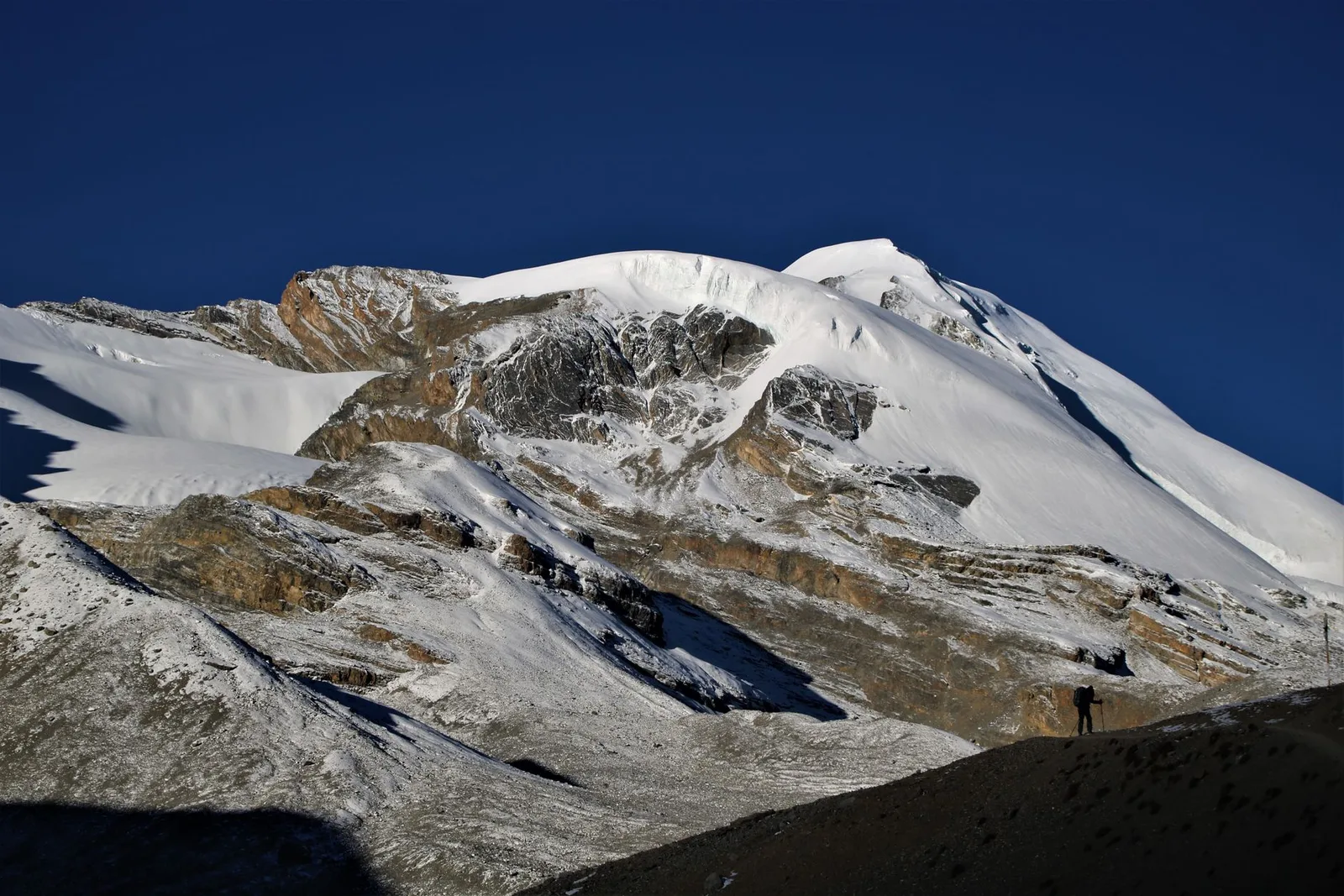
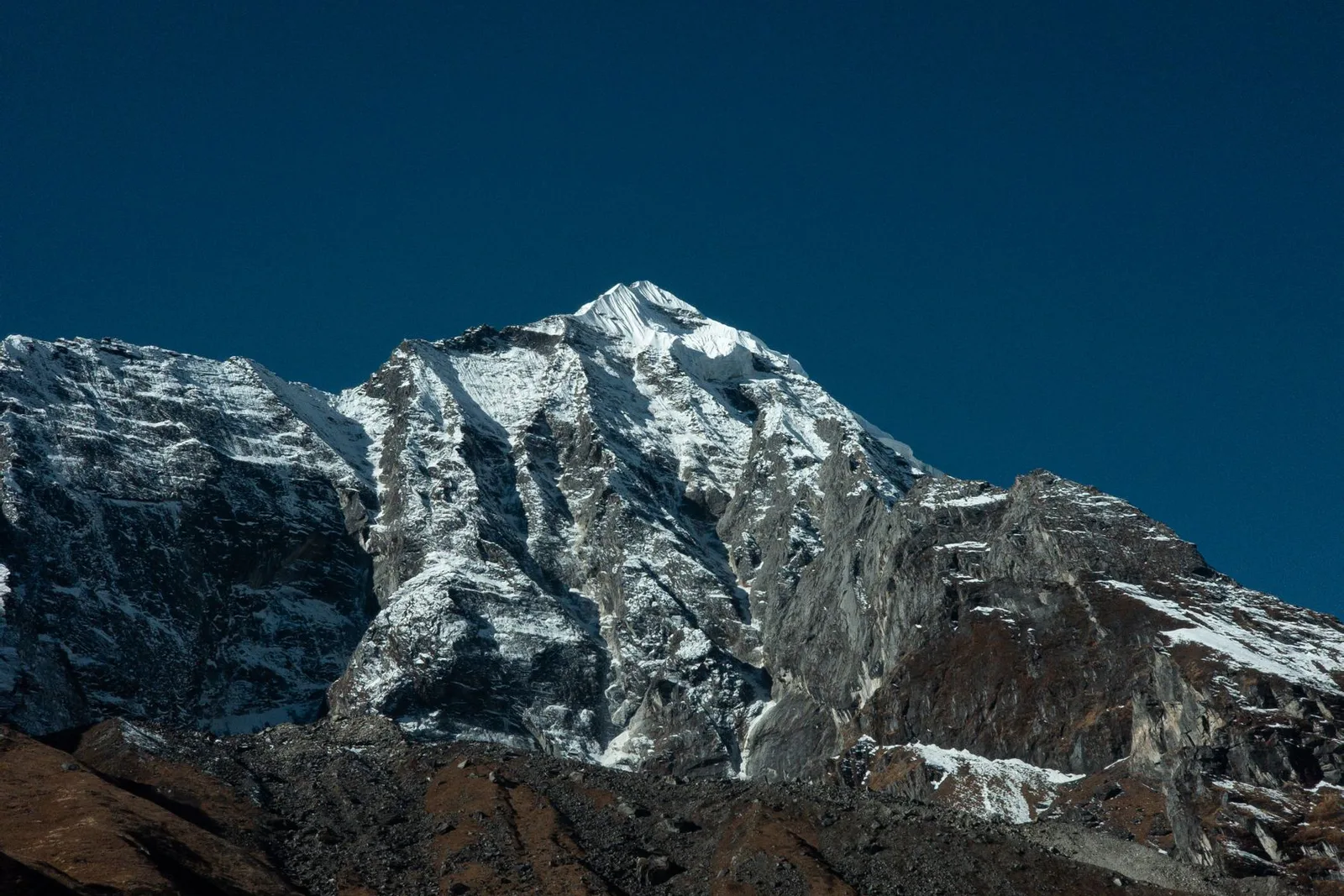
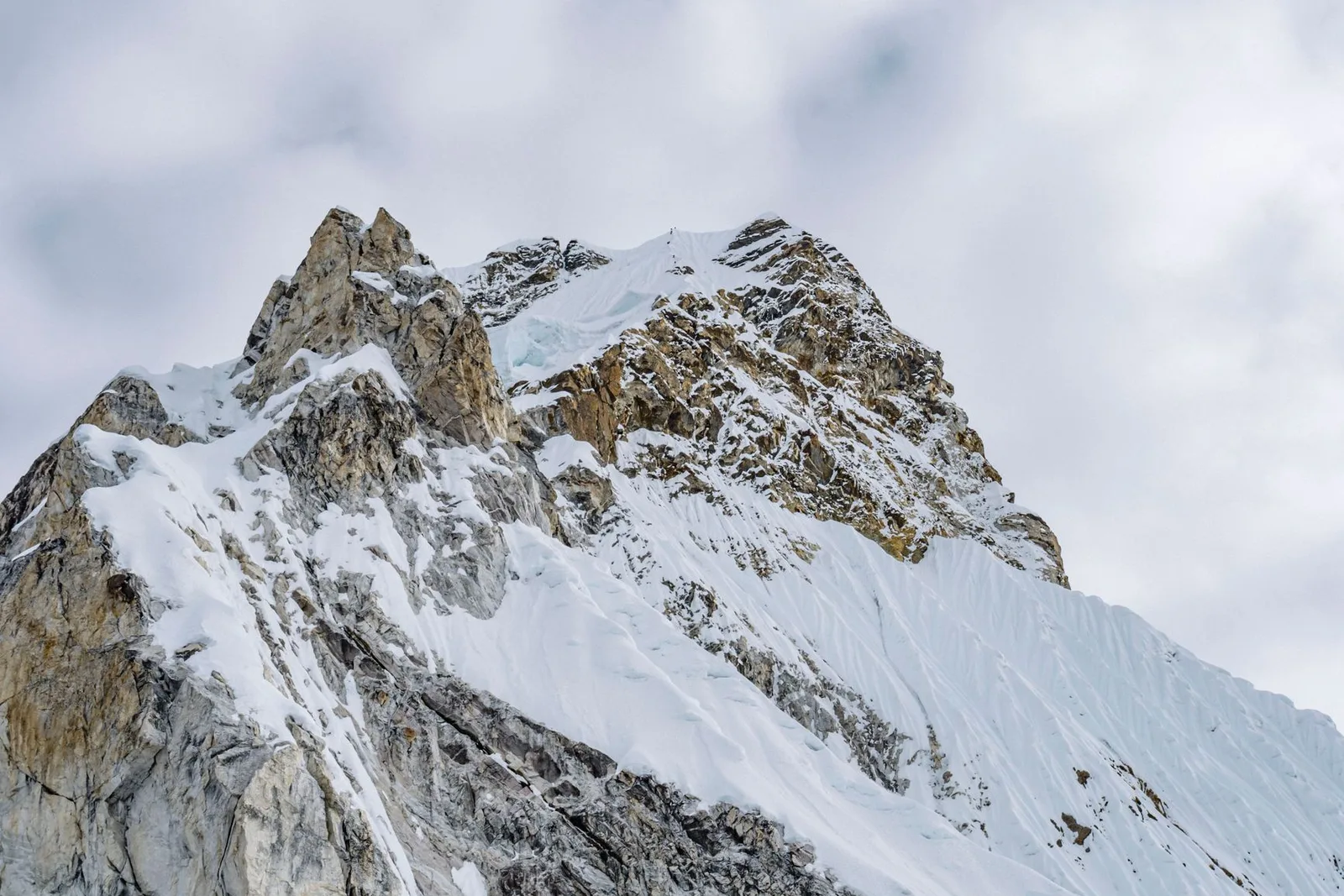
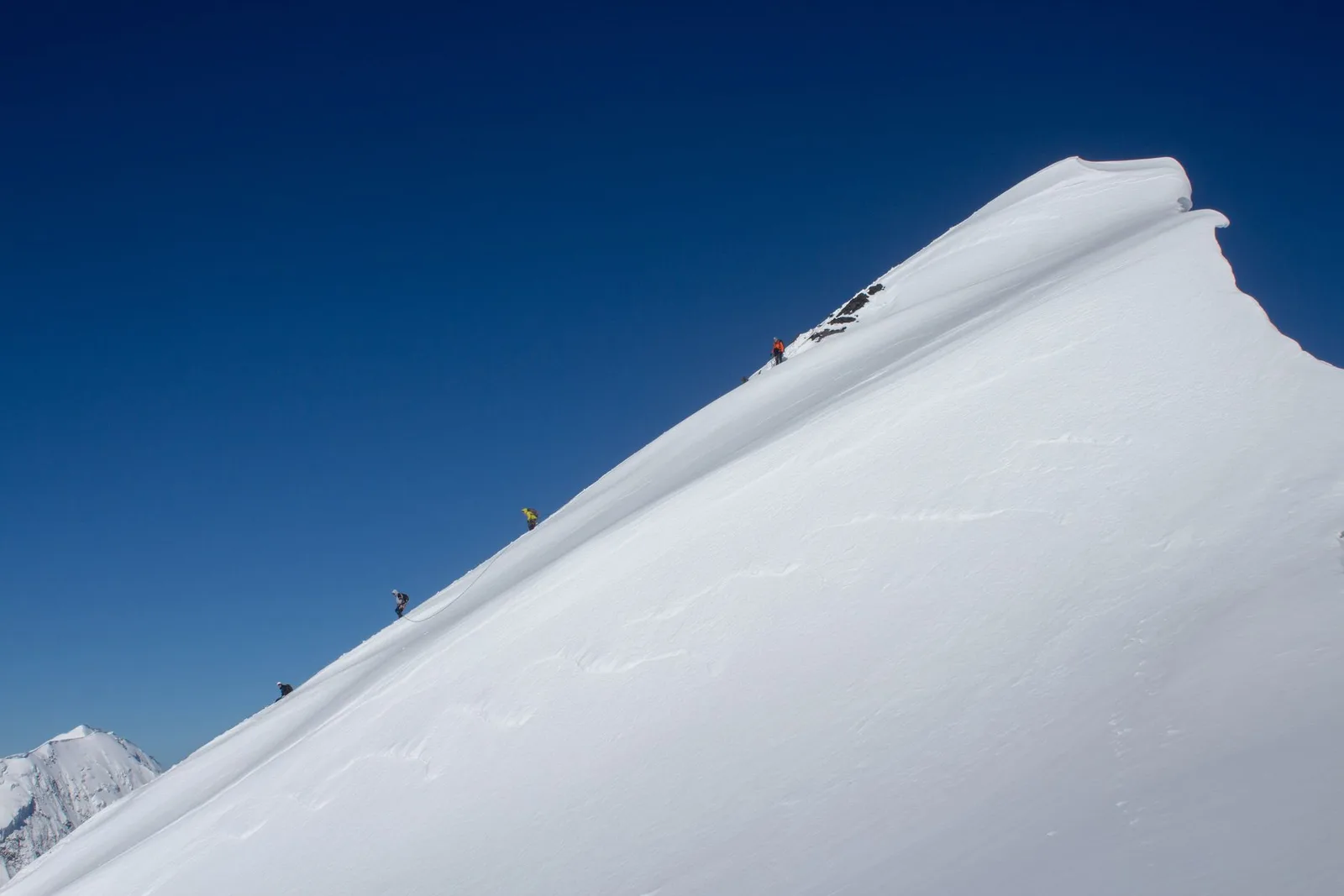
Mera Peak (6,476 m) is the highest permitted trekking peak in Nepal and the most achievable 6,000 m summit in the Himalaya for non-technical climbers. Unlike Island Peak or Lobuche East, Mera is classified as a "trekking peak" — the climbing route is a snow walk-up on the upper mountain with fixed rope assistance on the steepest sections, requiring crampons and ice axe but no prior technical climbing experience. The summit panorama is the reward: five 8,000 m peaks visible simultaneously — Everest, Lhotse, Cho Oyu, Makalu, and Kanchenjunga — on a clear day, the greatest high-altitude panorama available from a single summit in Nepal.
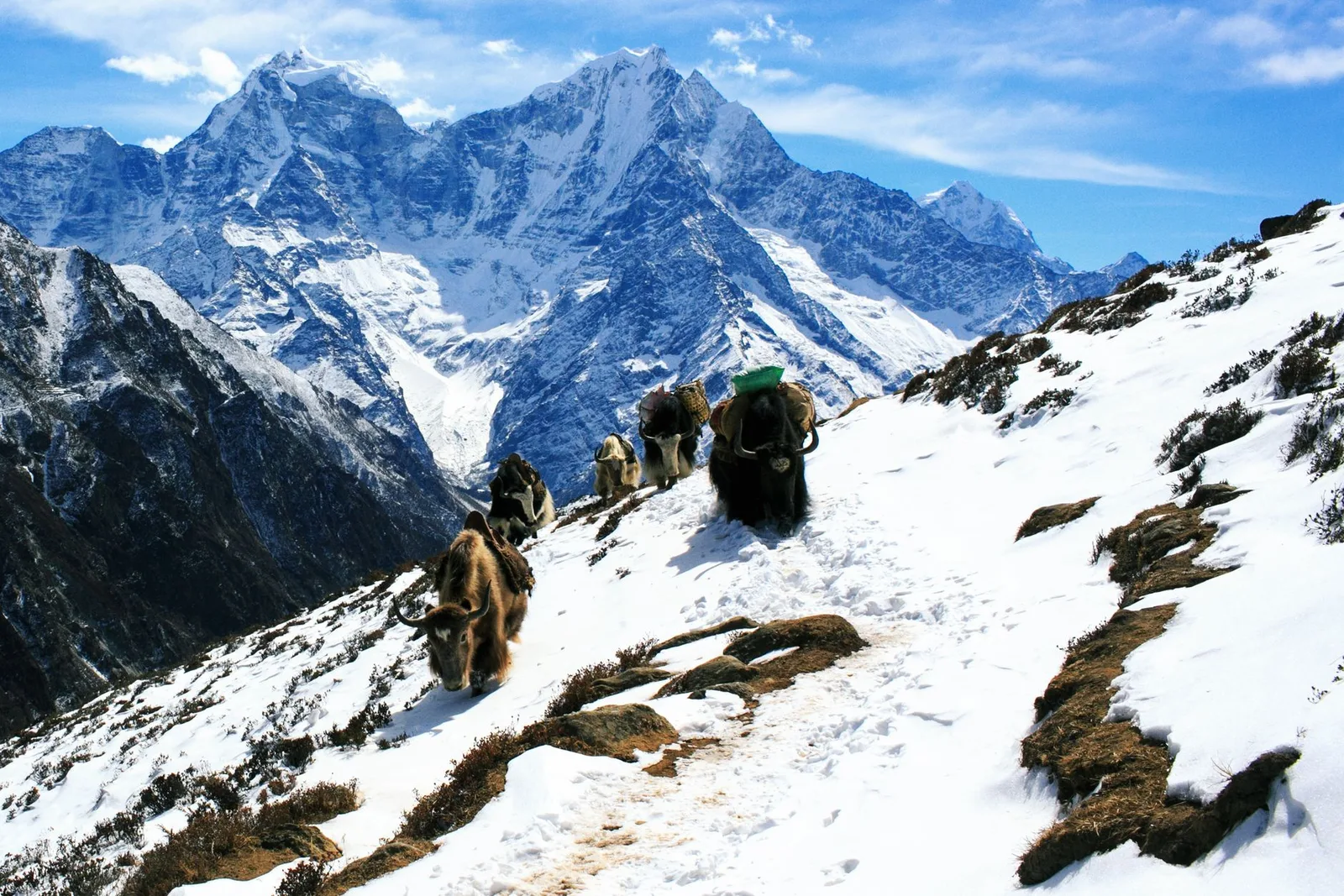
The 15-day itinerary approaches via the Hinku Valley — a spectacular and rarely-visited gorge south of the Khumbu — ascending through rhododendron forests and yak pastures to Khare (5,045 m) for final acclimatisation before the High Camp (5,780 m) and summit bid. The descent via the Amphu Lapcha pass option connects Mera to the Khumbu for trekkers who wish to extend their trip.
All climbing equipment — crampons, ice axe, harness, fixed-rope jumar — is included. High-camp tents, sleeping bags rated to -20°C, and one climbing Sherpa per two trekkers are part of the package.
Our Mera Peak summit success rate is 82% (Himalayan average: 70%). The primary factor is weather — October and May are the most reliable windows. The second factor is individual acclimatisation rate, which we cannot control but manage conservatively with strict "do not ascend if unwell" protocols. No guide from Travel Himalaya Nepal will push a trekker to summit if there are altitude illness symptoms — client safety comes before completion percentages.
Best seasons: October–November and April–May. Permit: Mera Peak climbing permit (included). Summit altitude: 6,476 m.
Autumn (Sep–Nov)
Best season. October ideal — clear skies, stable weather, excellent summit views across Khumbu.
Spring (Mar–May)
Good season with reliable summit windows before monsoon. Slightly warmer than autumn.
Winter (Dec–Feb)
Not recommended. Extreme cold on the high glacier approach.
Monsoon (Jun–Aug)
Not recommended. Snowfall and poor visibility on the summit ridge.
Mera Peak Climbing Permit
USD 250 (Sep–Nov) · USD 125 (other seasons)Arranged by us before departure.
Makalu Barun National Park Permit
USD 30Required for trekking in the Hinku valley approach.
TIMS Card
USD 20Required for all Nepal treks.
All permits are arranged and included in your package price. Nothing to organise yourself.
A detailed packing list will be sent with your booking confirmation. Gear rental available in Kathmandu and Pokhara.


On the Trail
Your Himalaya Awaits
Private departures on any date, a hand-picked NMA guide, and an itinerary built around you. Tell us your dates — we usually reply within a few hours.
$2,500
/ person · all-inclusive

