
 18 daysExtreme6,189 m
Island Peak Climbing — 18 Days
From / person
$3,600

Duration
22 days
From
$3,600/person
Max Altitude
5,143 m
Difficulty
Extreme
Starts
Taplejung (fly from Kathmandu)
Group Size
2–8 People
Stay
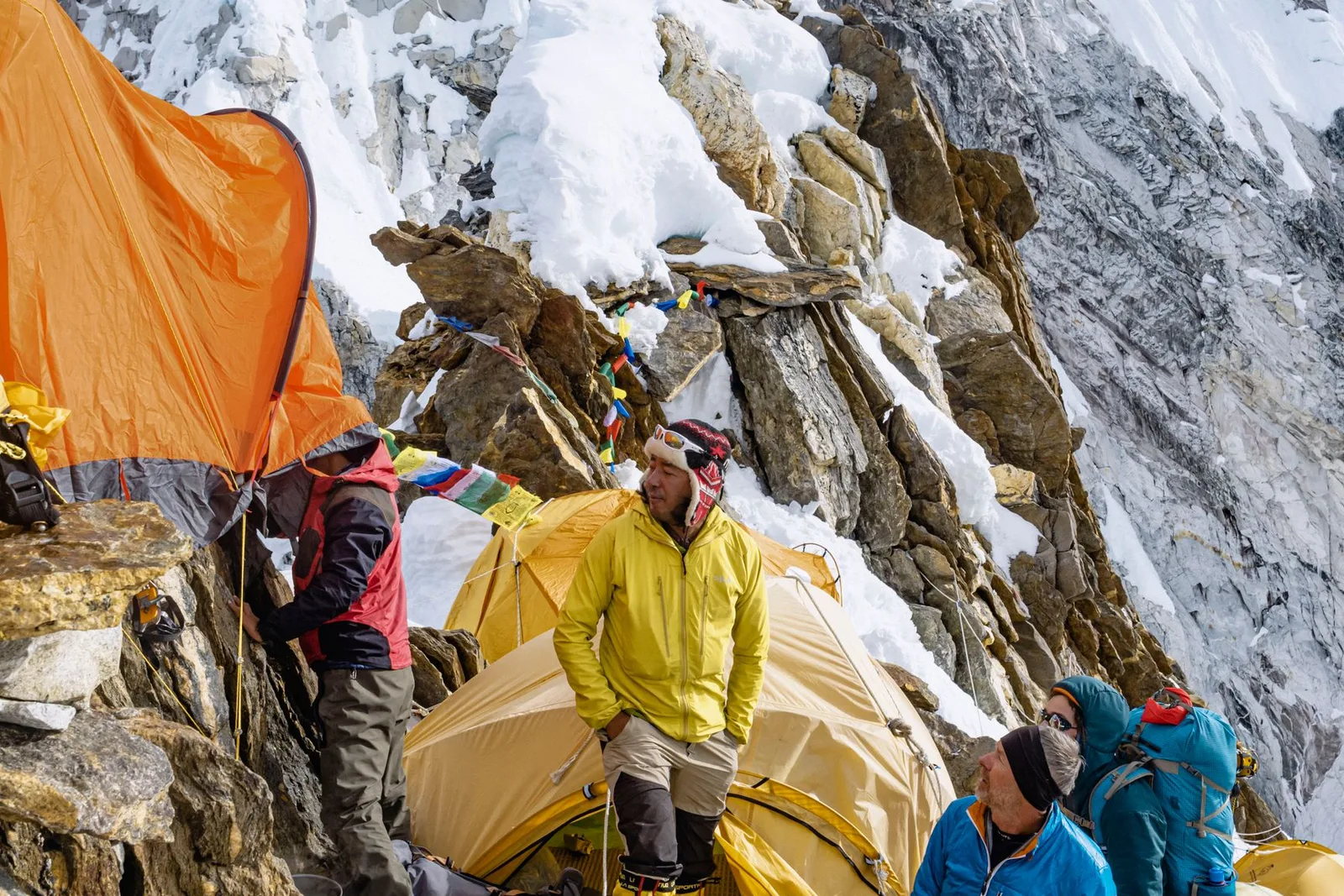
Tea House / Camp
Meals
Breakfast, Lunch & Dinner
Best Season
Mar–May, Sep–Nov
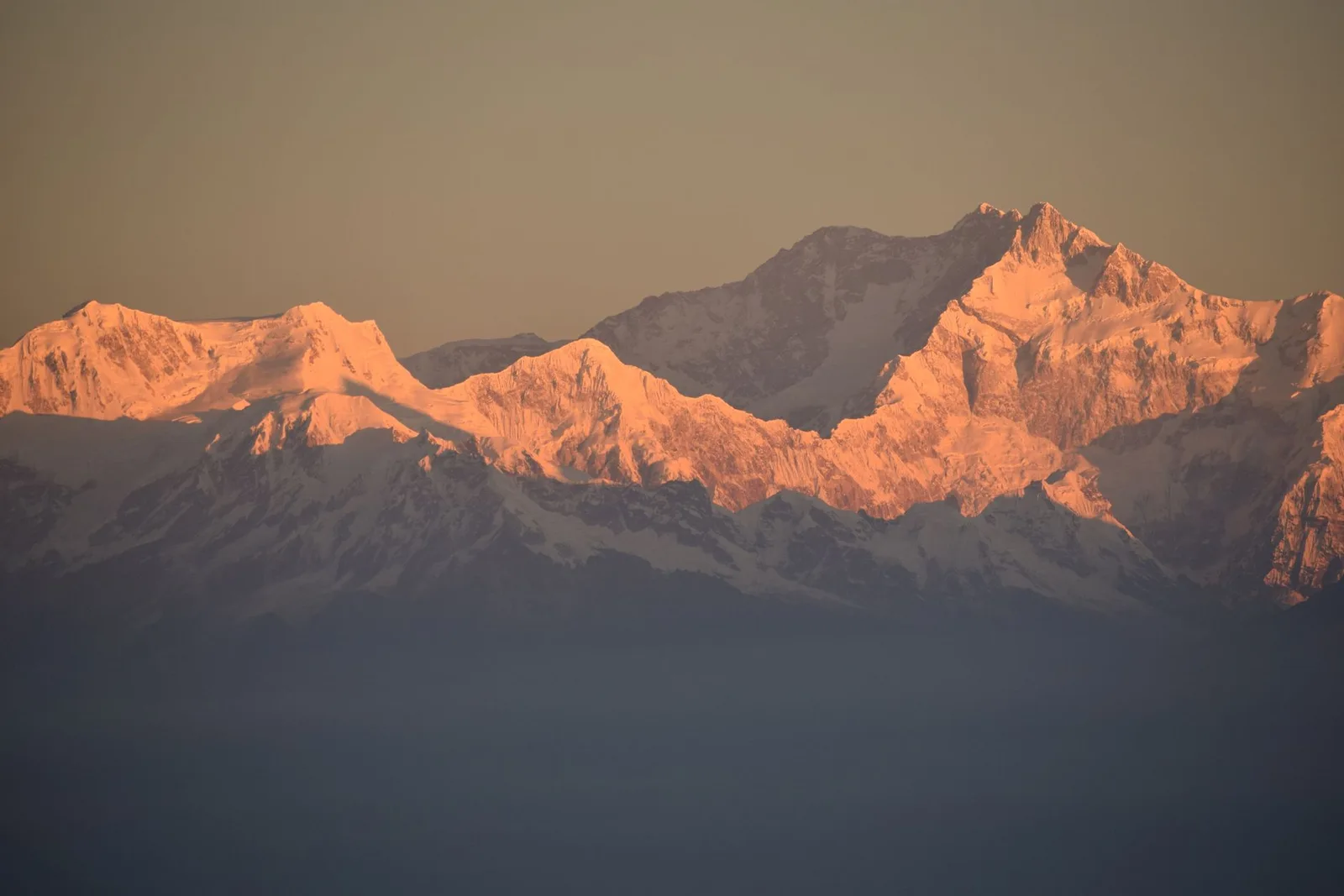
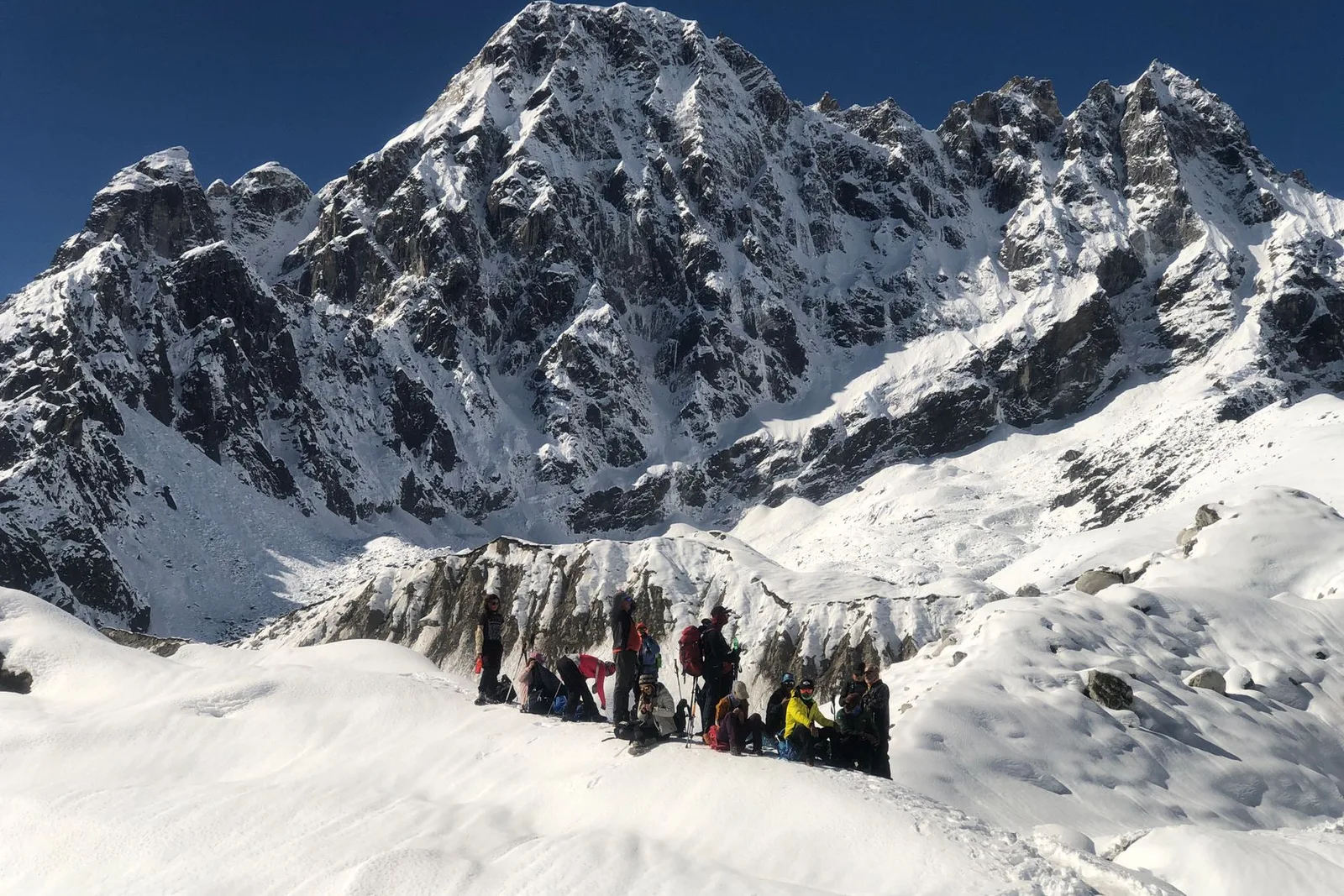
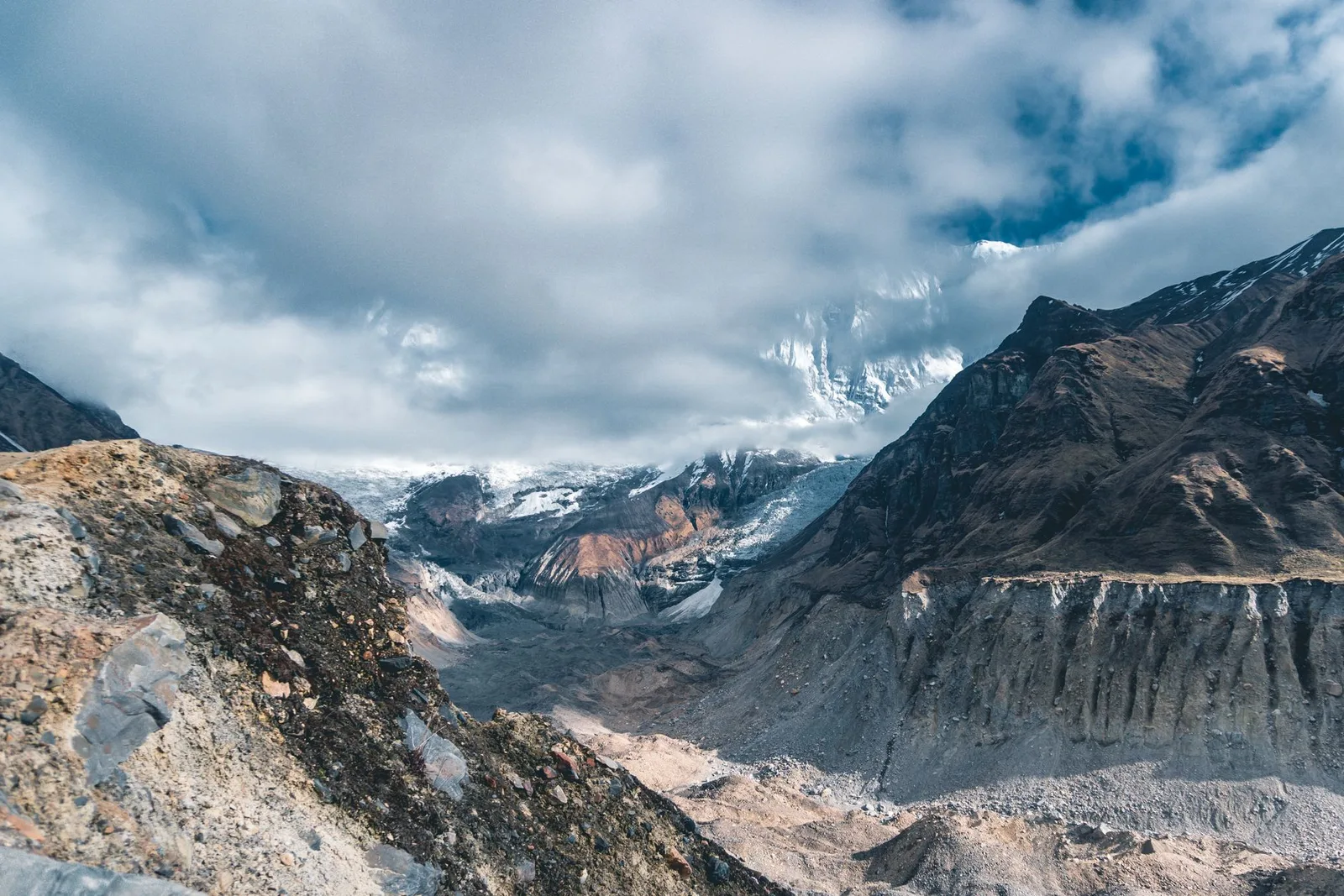
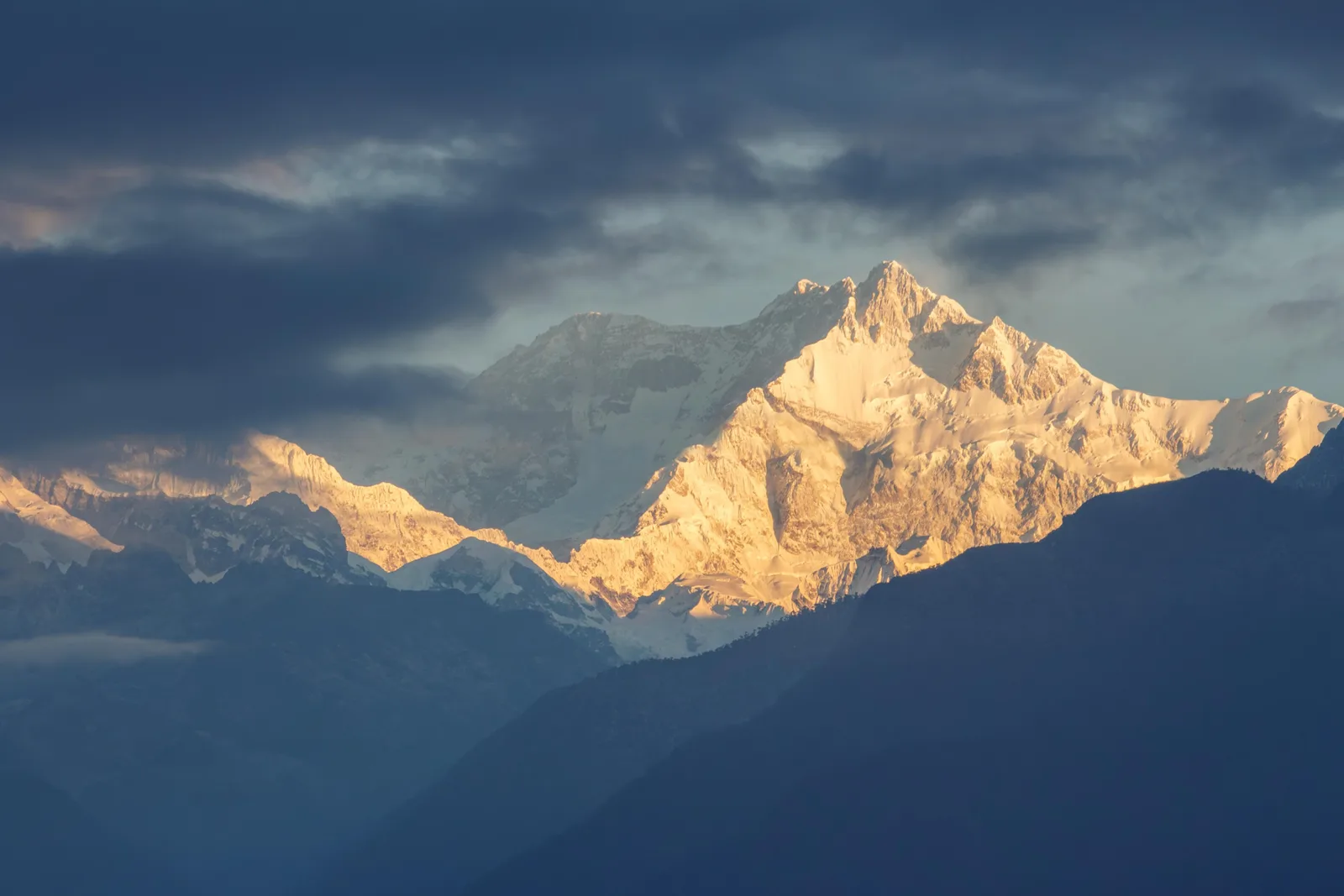
Trek to the base of the world's third-highest mountain — Kanchenjunga (8,586m).
Arrive in Kathmandu and transfer to your hotel. Evening briefing covering the Kanchenjunga Conservation Area permit and the remote north approach to Base Camp via the Ghunsa valley. Kanchenjunga (8,586 m) is the world's third-highest mountain.
Kanchenjunga Base Camp is the trekking world's great secret — a 22-day journey into the remote eastern Himalaya to the foot of the world's third-highest mountain (8,586 m), through one of Nepal's most pristine and culturally untouched landscapes. With fewer than 2,000 foreign trekkers per year, the Kanchenjunga Conservation Area offers a rawness and solitude that the Everest and Annapurna regions can no longer match.
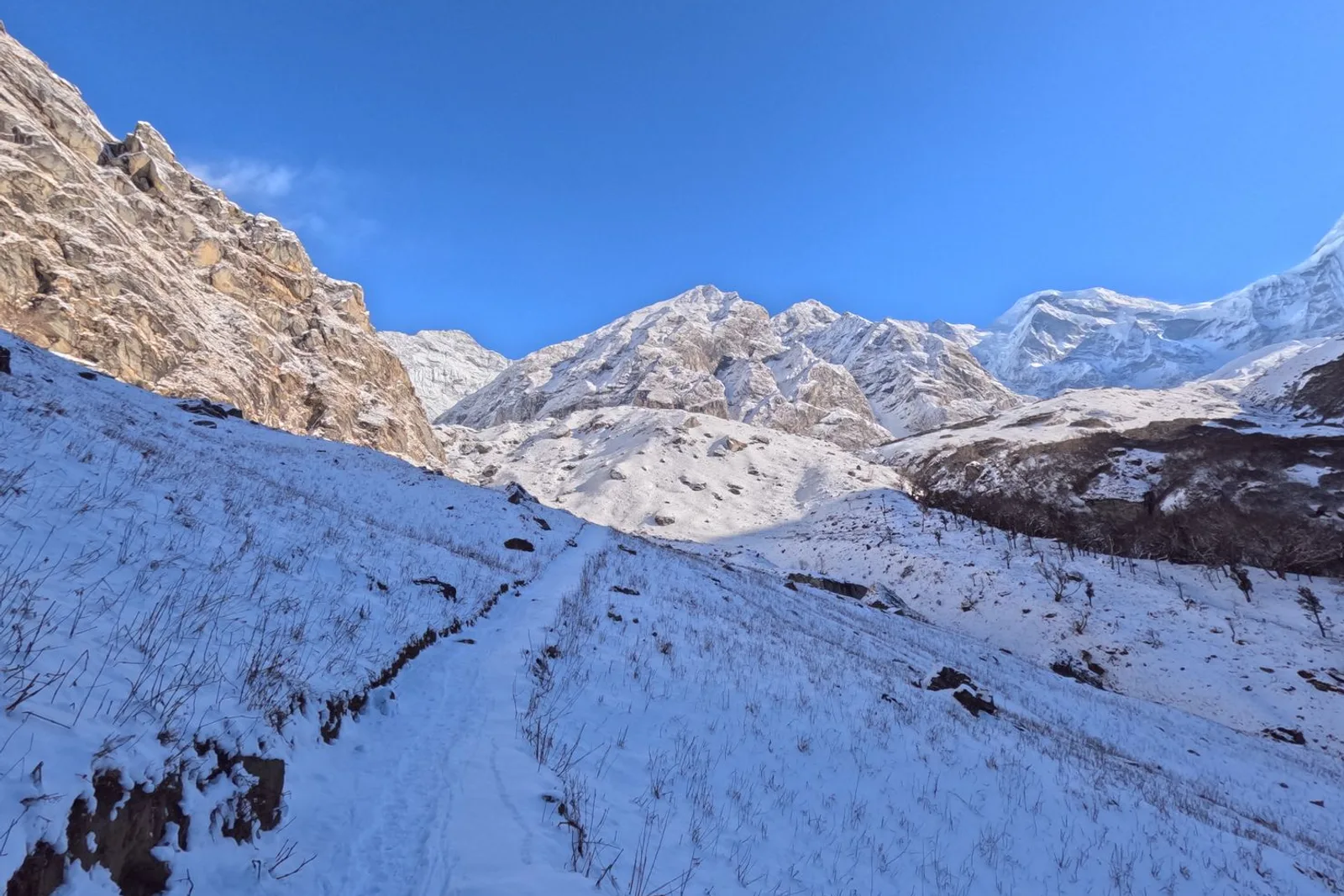
The itinerary reaches both the North Base Camp (Pang Pema, 5,143 m) and South Base Camp (Oktang, 4,788 m), crossing the high Sele La pass (4,290 m) between them. The approach trek passes through Limbu and Rai villages little changed by outside influence, rhododendron and bamboo forests teeming with red pandas and snow leopards (rare but recorded), and ancient Buddhist monasteries at Ghunsa and Yalung.
This is a restricted area trek — a mandatory licensed guide is required, and the permit system keeps group numbers extremely low. Travel Himalaya Nepal is one of the few Kathmandu-based operators with extensive Kanchenjunga guide experience: our senior guide on this route, Bikash Limbu, is from the Taplejung district and has completed 40+ Kanchenjunga circuits over 18 years.
Kanchenjunga demands 22 days, good baseline fitness (daily stages of 5–8 hours), and comfort with genuine remoteness — there are no rescue helicopters on standby, no ATMs past Taplejung, and no satellite-dish teahouses with menus in seven languages. What it offers in return: Himalayan views that rival Everest in scale without sharing the trail with 30,000 other trekkers per year. The ideal Kanchenjunga trekker has done at least one multi-week Himalayan trek before and is ready to go further off the map.
Best seasons: October–November and April–May only. Permit: Restricted Area Permit required (arranged by us). Domestic flights: Kathmandu–Taplejung–Kathmandu included.
Autumn (Sep–Nov)
Best season. October ideal — clear views of Kanchenjunga's four summits, stable trail conditions.
Spring (Mar–May)
Good season. Rhododendron forests in bloom on lower sections. Reliable weather window.
Winter (Dec–Feb)
Not recommended. High passes snow-covered and dangerous.
Monsoon (Jun–Aug)
Not recommended. Heavy rain, leeches on lower trails, poor summit visibility.
Kanchenjunga Conservation Area Permit (KCAP)
USD 20Required for all trekkers in the Kanchenjunga Conservation Area.
Kanchenjunga Restricted Area Permit
USD 10/week (first 4 weeks) · USD 20/week thereafterMinimum 2 trekkers and licensed guide required. We handle all paperwork.
TIMS Card
USD 20Required for all Nepal treks.
All permits are arranged and included in your package price. Nothing to organise yourself.
A detailed packing list will be sent with your booking confirmation. Gear rental available in Kathmandu and Pokhara.
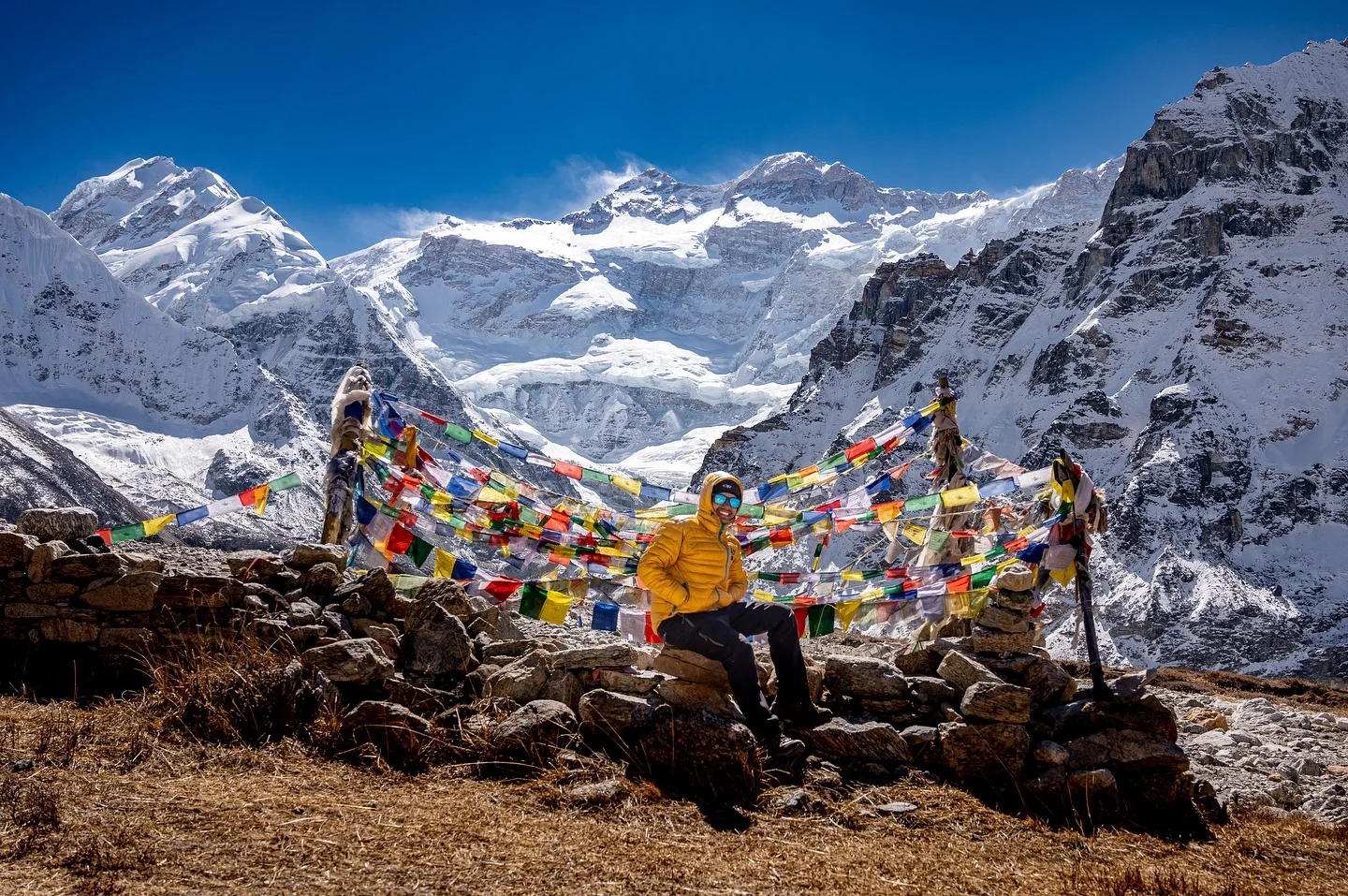
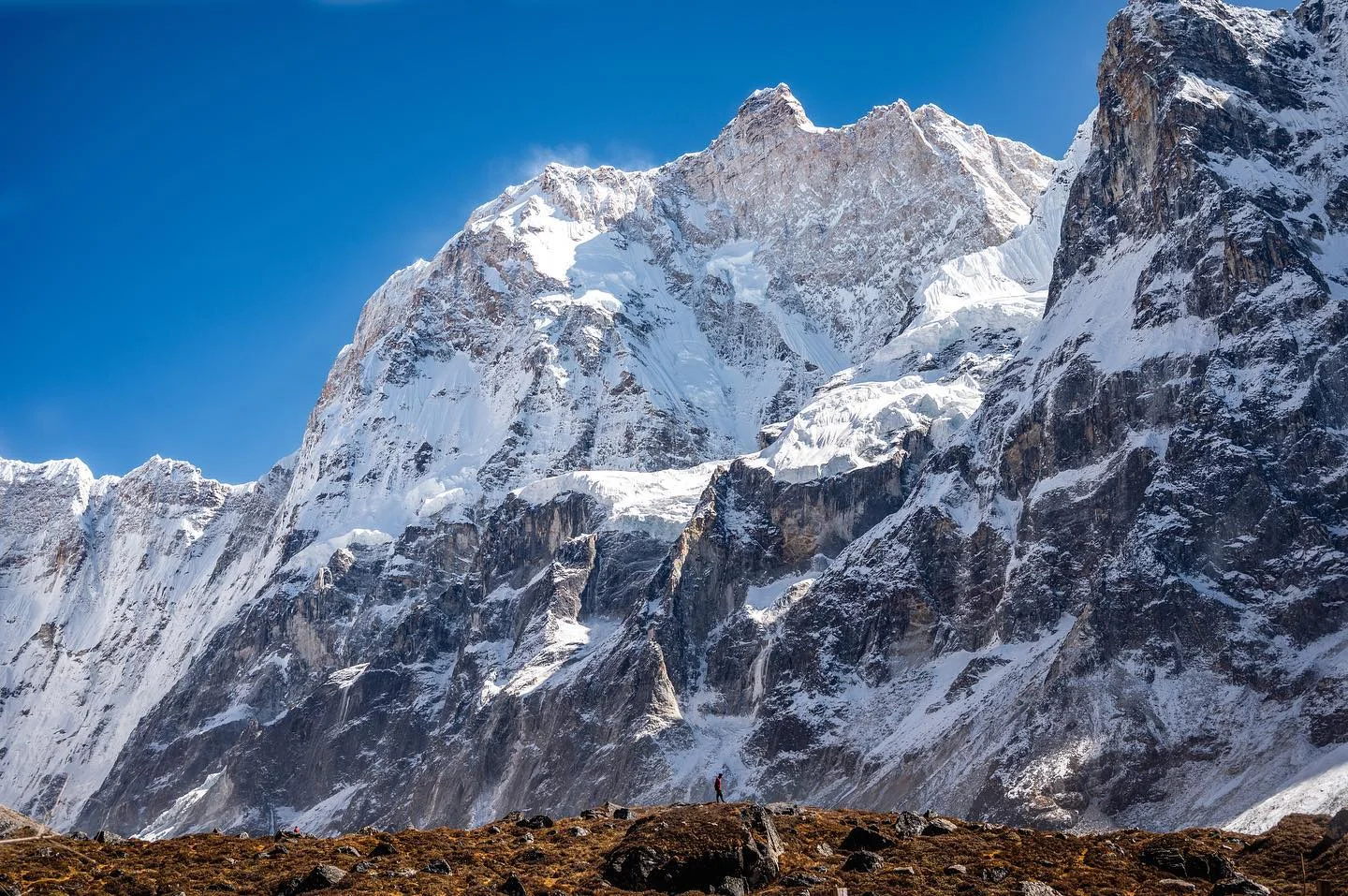
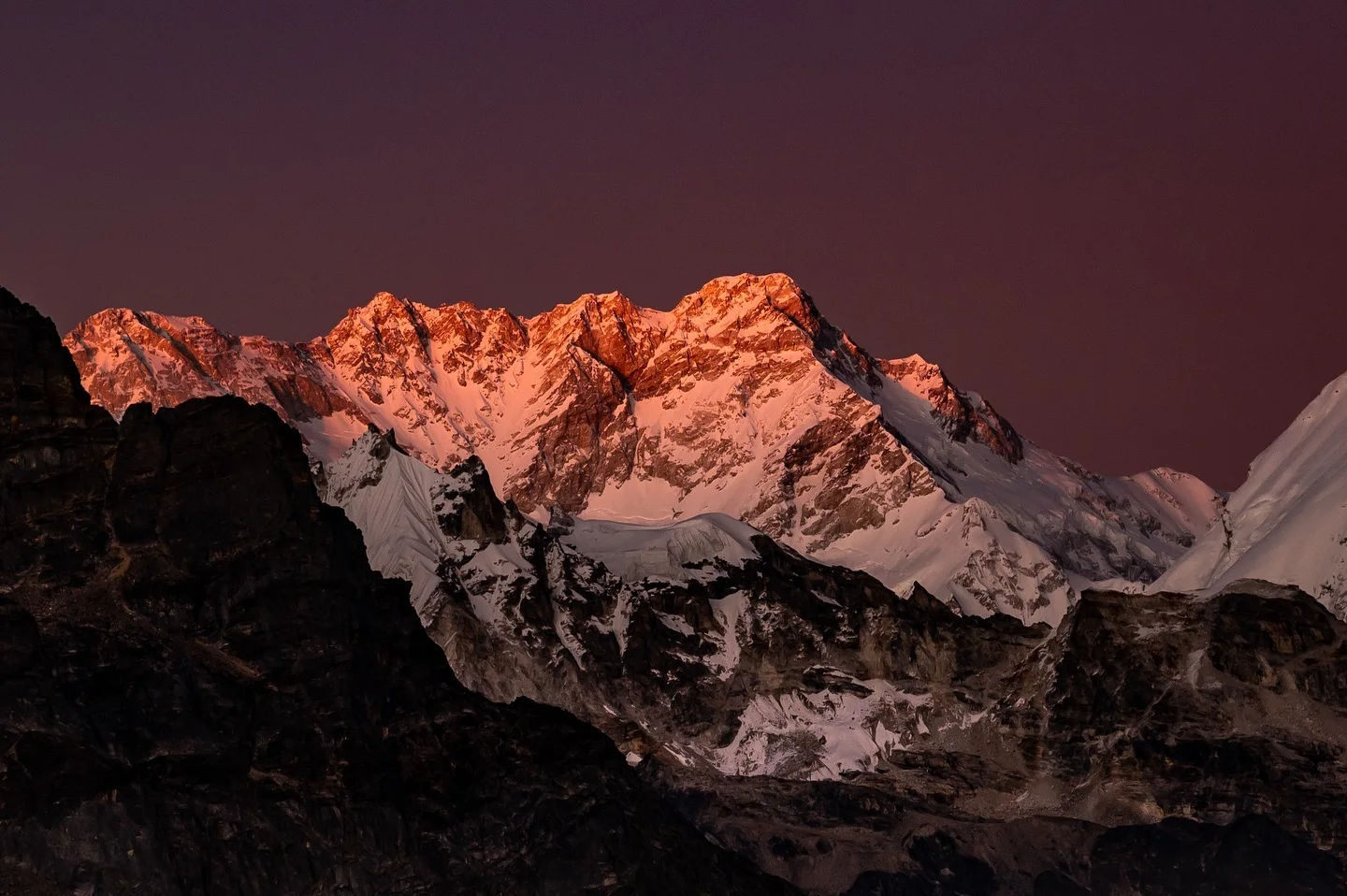
On the Trail
Your Himalaya Awaits
Private departures on any date, a hand-picked NMA guide, and an itinerary built around you. Tell us your dates — we usually reply within a few hours.
$3,600
/ person · all-inclusive

