
 18 daysExtreme6,189 m
Island Peak Climbing — 18 Days
From / person
$3,600

Duration
16 days
From
$2,300/person
Max Altitude
3,700 m
Difficulty
Challenging
Starts
Arughat / Soti Khola
Group Size
2–10 People
Stay
Tea House / Home Stay
Meals
Breakfast, Lunch & Dinner
Best Season
Mar–May, Sep–Nov
Arrive in Kathmandu and transfer to your hotel in Thamel. Evening briefing covering Tsum Valley permits, culture, and trek logistics. The Tsum Valley requires a special Tsum Valley Restricted Area permit in addition to the Manaslu Conservation Area permit.
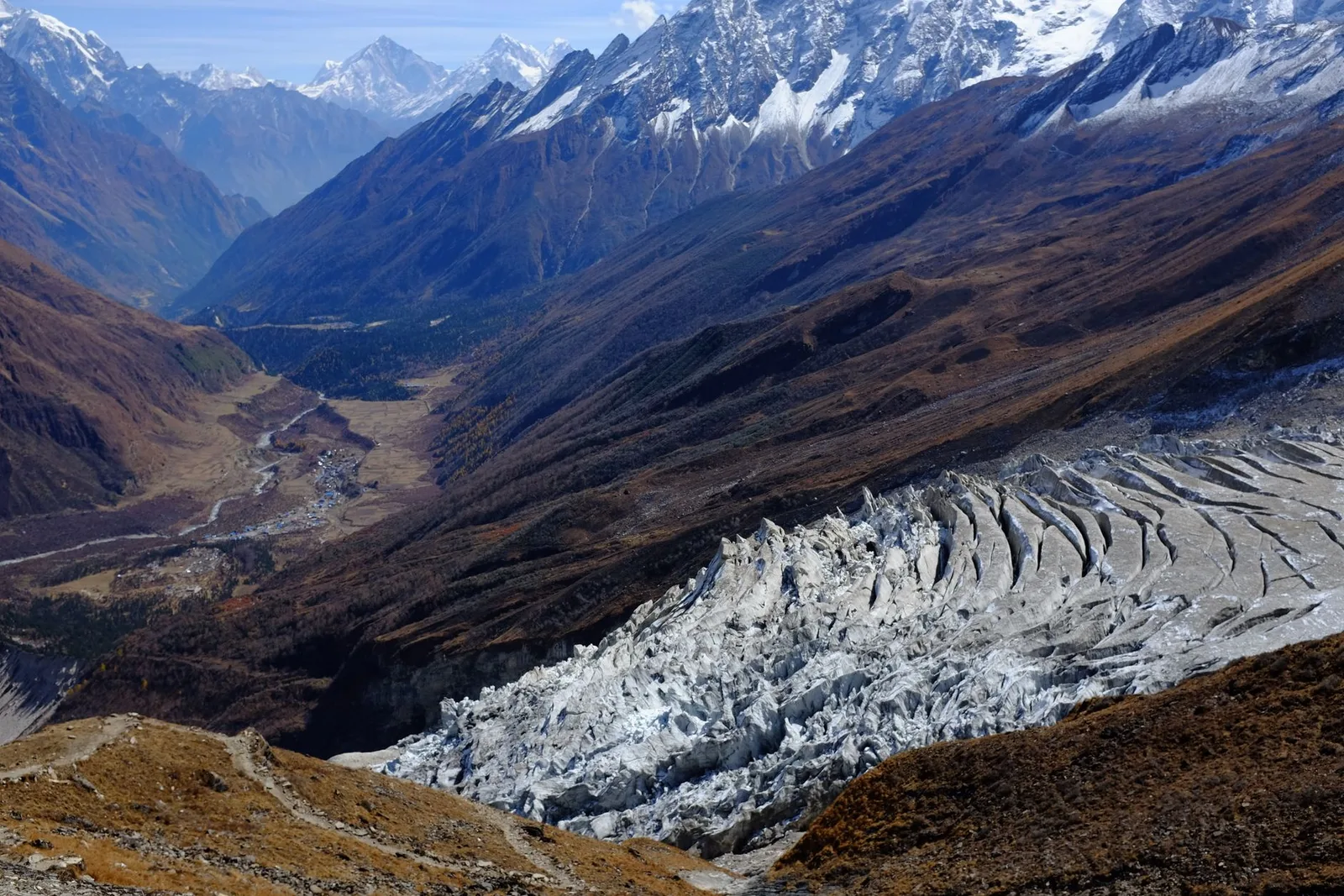
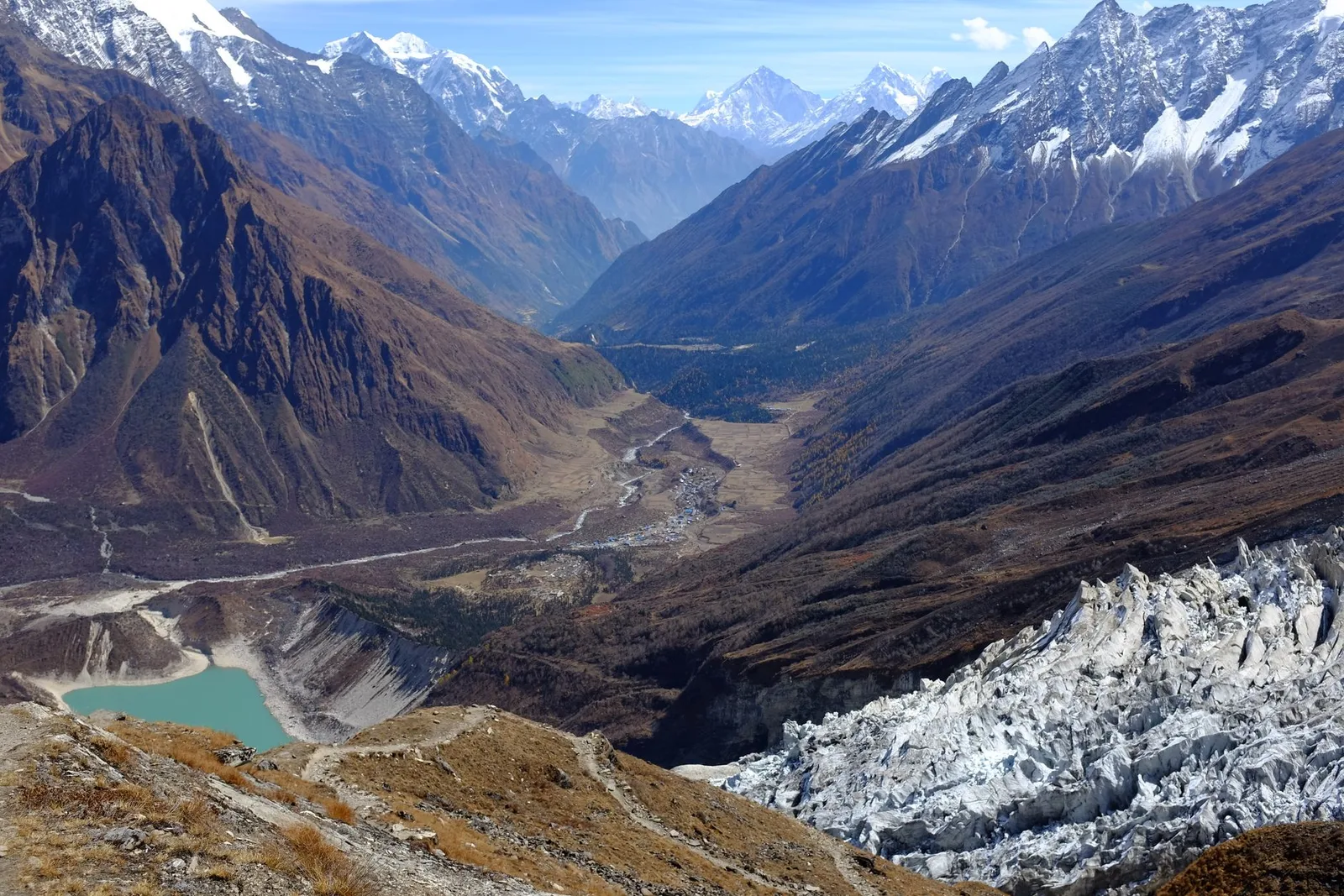
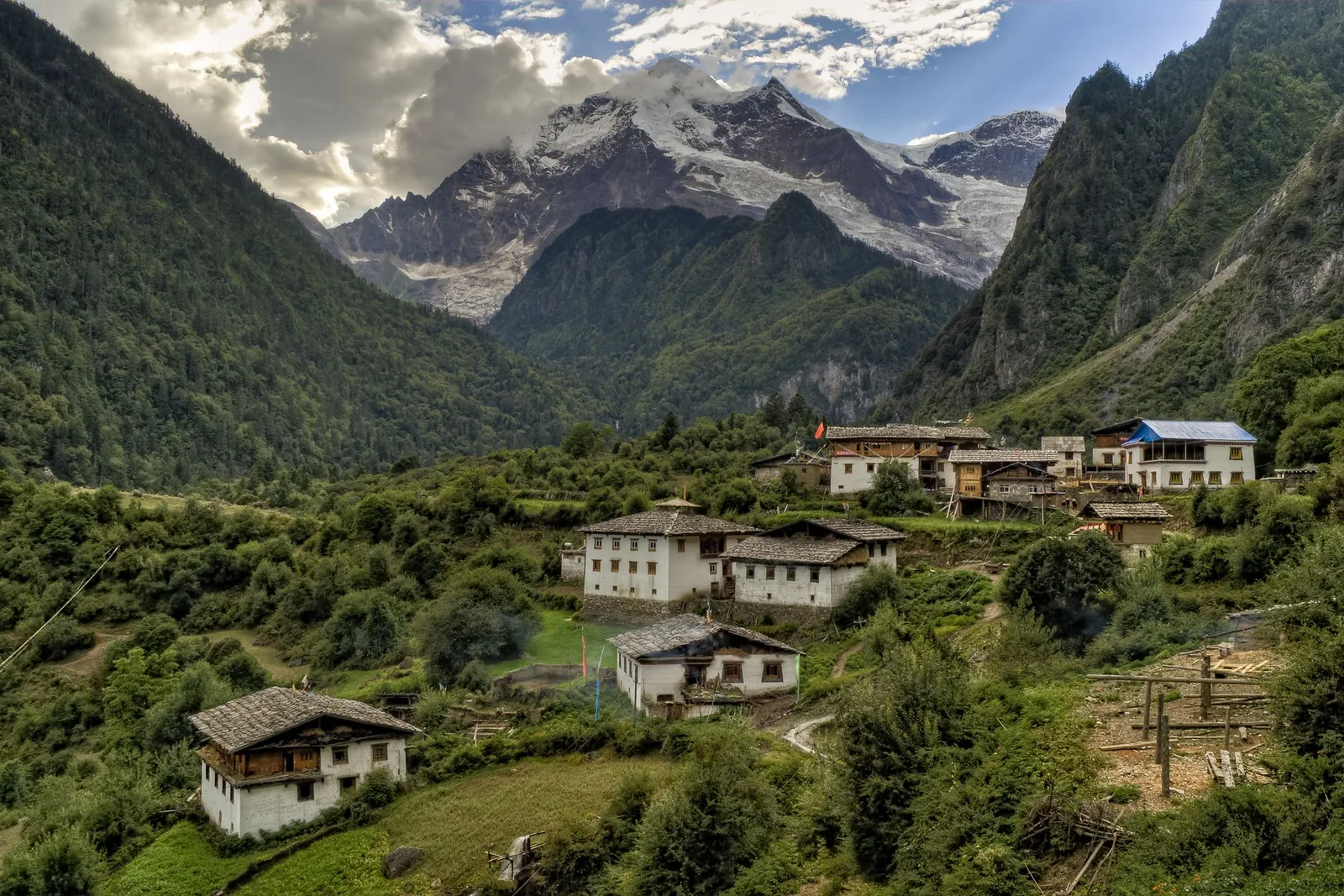
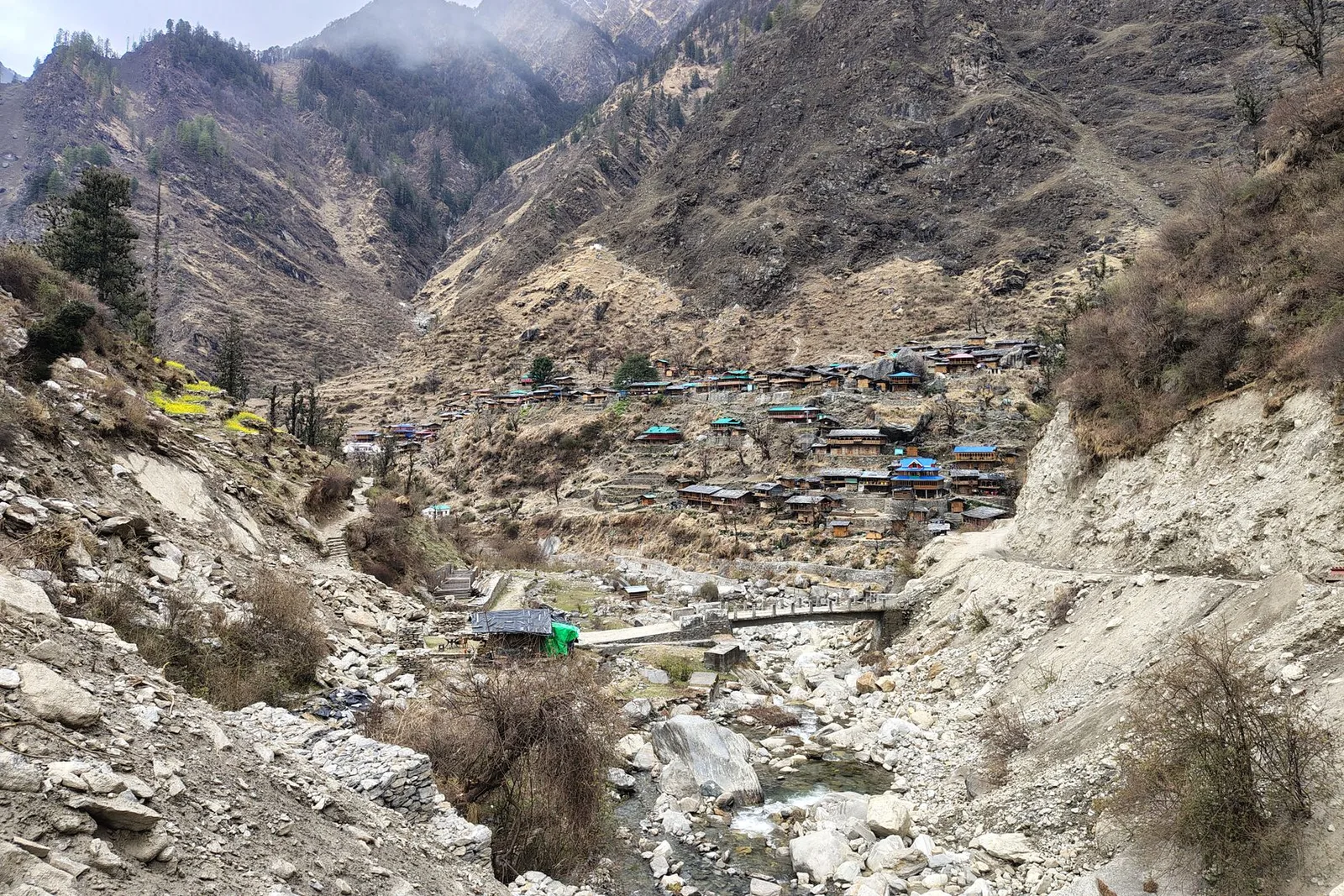
The Tsum Valley is Nepal's most culturally intact Himalayan destination — a hidden pocket of Tibetan Buddhist civilisation tucked into a remote valley north of the Budhi Gandaki river that was closed to foreigners until 2008. In the 15 years since opening, fewer than 20,000 foreign trekkers have entered the valley. The Tsum people speak their own Tibetan dialect, dress in traditional chuba, and maintain a living Buddhist culture — monasteries, mani walls, prayer-flag-strung ridgelines, sky-burial sites — that has not been adjusted for tourist consumption. It is as close to pre-modern Tibetan highland culture as it is possible to get in Nepal today.
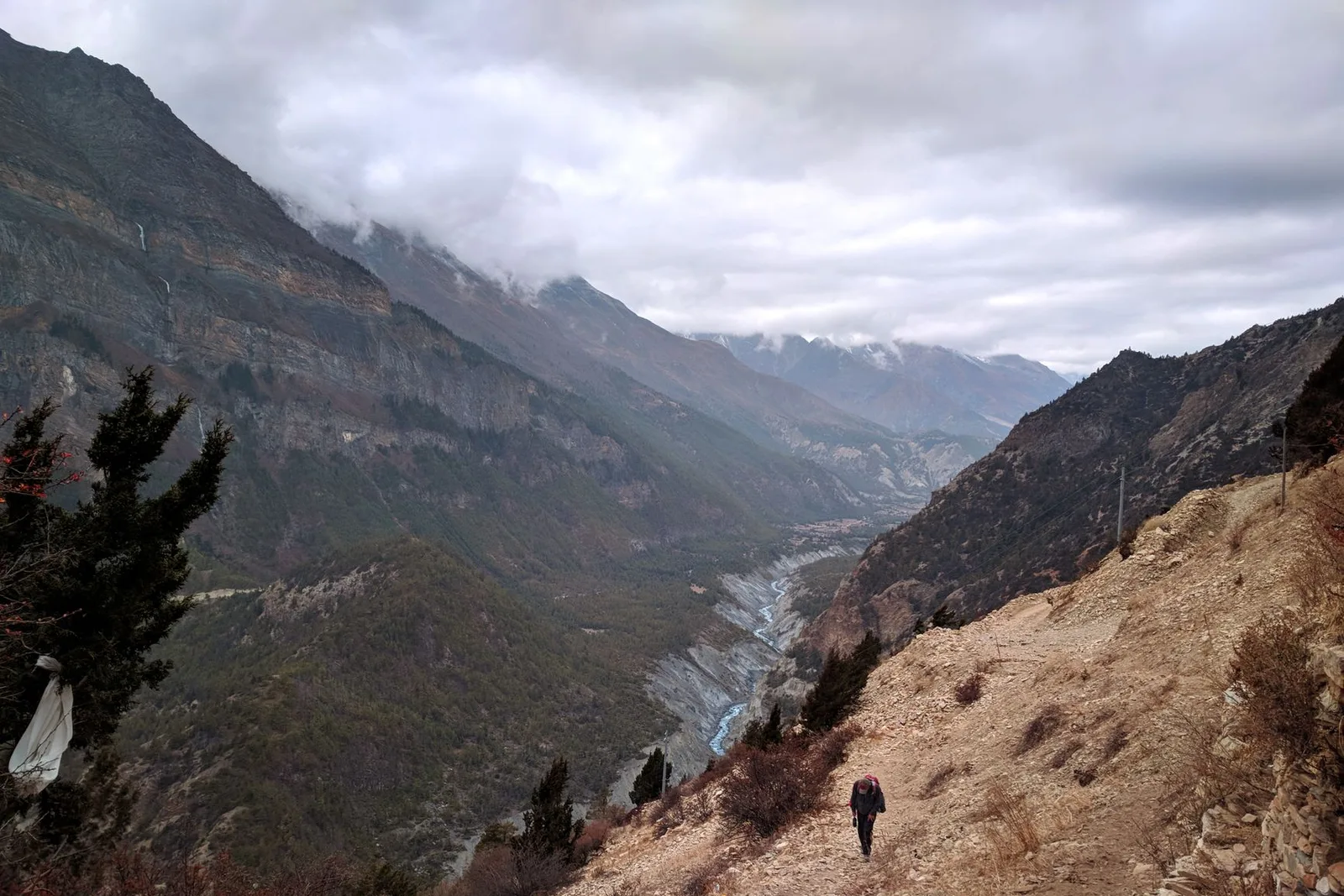
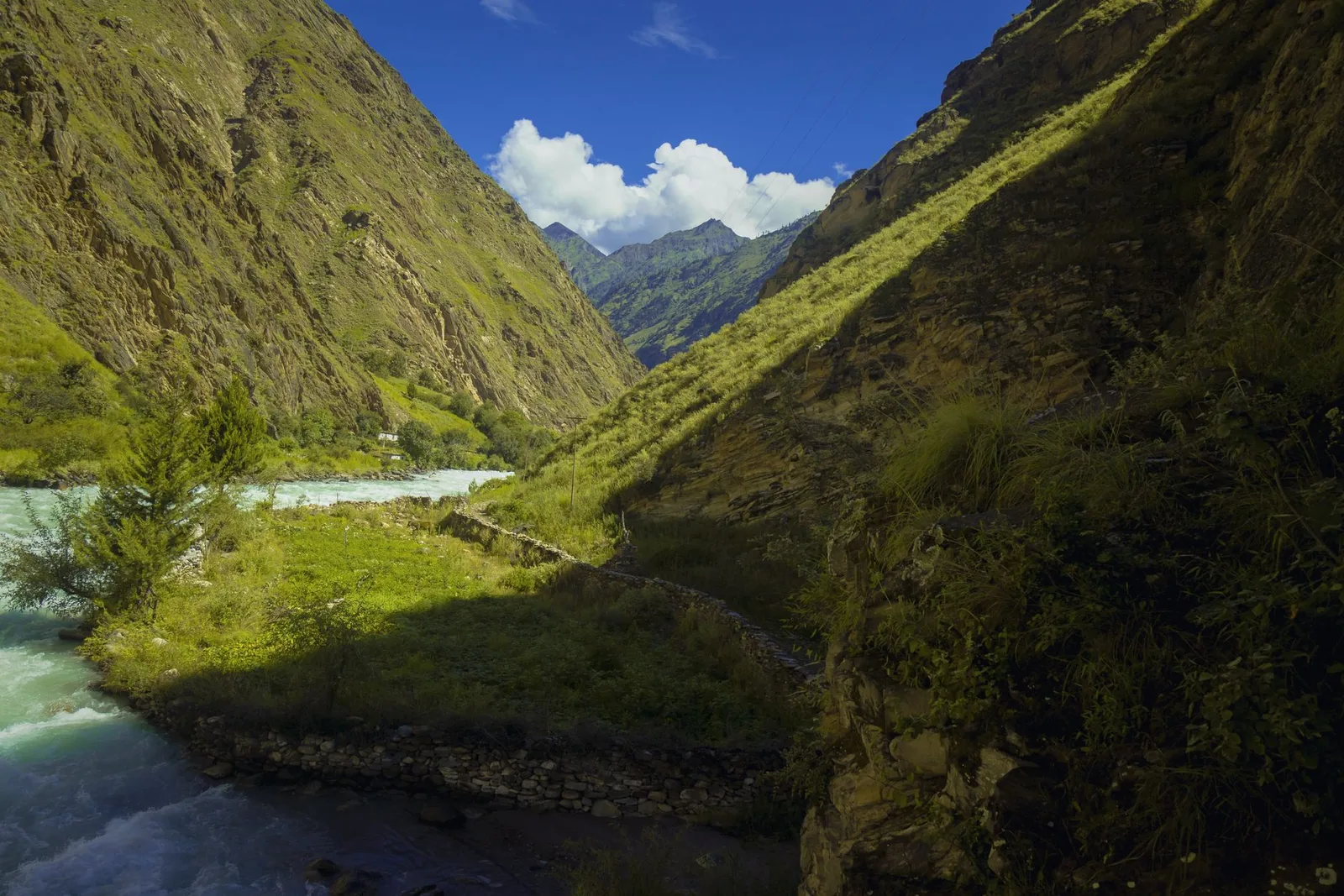
The 16-day itinerary approaches via Arughat and the Budhi Gandaki gorge (shared with the Manaslu Circuit approach), branching northwest into Tsum at Lokpa. The valley ascends through terraced barley fields and juniper forest to the upper valley at Mu Gompa (3,960 m) — the spiritual heart of Tsum, with a walled monastery complex containing some of the finest 15th-century murals in Nepal. Nile village, the highest permanent settlement, sits at 4,200 m at the foot of the Tibetan border peaks. The descent retraces the valley before returning to the roadhead at Arughat for the Kathmandu drive.
Tsum Valley is a restricted area — mandatory licensed guide required; independent trekking not permitted.
Most popular trekking routes in Nepal are landscapes with culture as a backdrop. Tsum Valley is culture as the foreground, with the landscape as backdrop. The monasteries, sky burials, annual Tsum festival (Lha Chu), and daily rhythms of the Tsum people are the experience — the mountain scenery is a bonus. If you have done the Annapurna Circuit or EBC and are ready for something completely different, Tsum Valley is the answer.
Best seasons: October–November and March–May. Permit: Tsum Valley restricted area permit (included). Max altitude: Mu Gompa 3,960 m / Nile 4,200 m.
Autumn (Sep–Nov)
Best season. October ideal. Clear skies, stable weather. October less crowded than Annapurna/Everest trails — genuine wilderness feel.
Spring (Mar–May)
Good season. Pass opens reliably by April. Slightly more precipitation than autumn. Rhododendron forests on lower sections.
Winter (Dec–Feb)
Larkya La blocked by snow. Not recommended.
Monsoon (Jun–Aug)
Trail very wet. Not recommended. Landslide risk on lower gorge sections.
Manaslu Restricted Area Permit
USD 100/week (Sep–Nov) · USD 75/week (other seasons)Requires minimum 2 trekkers and licensed guide. We handle all paperwork.
Manaslu Conservation Area Permit (MCAP)
USD 30Combined with ACAP if exiting via Annapurna side.
TIMS Card
USD 20Required for all Nepal treks.
All permits are arranged and included in your package price. Nothing to organise yourself.
A detailed packing list will be sent with your booking confirmation. Gear rental available in Kathmandu and Pokhara.


On the Trail
Your Himalaya Awaits
Private departures on any date, a hand-picked NMA guide, and an itinerary built around you. Tell us your dates — we usually reply within a few hours.
From the Blog
$2,300
/ person · all-inclusive

