
The short version
October and November are peak season, but April and May are just as spectacular. Here's exactly what to expect each month — weather, crowds, trail conditions, and prices.
Ask ten trekkers when the best time to visit Nepal is and you will get ten different answers — and all of them will be right. There is no single perfect month. The right window depends on which trek you have in mind, how much you are willing to spend, how many other hikers you want around you, and whether you would trade a crystal-clear summit view for a lush green valley dripping with cloud. This month-by-month guide breaks it down so you can make the call that fits your trip.
- Best overall: October–November (peak views, washed-clean skies) and March–May (warm, rhododendrons in bloom).
- Best single month for Annapurna Base Camp: April for the blooms, October for guaranteed visibility.
- Best value: February and September — shoulder months with low crowds and off-peak prices.
- Monsoon (Jun–Sep): not closed — head to rain-shadow Upper Mustang, which is genuinely at its best.
- Winter (Dec–Jan): cold but brilliantly clear; stick to lower routes (Poon Hill, Langtang, lower Everest).
The Two Prime Windows
Two seasons dominate the trekking calendar: October–November and March–May. Together they account for the vast majority of trekkers on the trail — and for good reason. Both windows sit in the dry shoulder zones on either side of monsoon, delivering stable weather, manageable temperatures, and the clearest mountain views of the year.
- Skies: Post-monsoon (Oct–Nov) air is washed clean; pre-monsoon (Mar–May) brings slightly more high-altitude cloud but stays largely dry below 4,000 m.
- Trails: Fully open, well-serviced teahouses, and rescue infrastructure fully operational.
- Flora: Spring adds a showstopper — rhododendron forests in full bloom from 2,000 m upward.
If you can only trek once and want the safest, most spectacular experience, choose one of these four months. Everything else involves a trade-off — which is sometimes exactly what savvy trekkers want.
Whatever month you choose, the Annapurna region needs an ACAP permit (NPR 3,000) plus a TIMS card (NPR 2,000), and since 2023 a licensed guide is mandatory on most trekking routes. Restricted areas like Manaslu and Upper Mustang carry seasonal special permits on top. See our full permit hub before you book.
October & November: Peak Season
This is Nepal trekking at its most iconic. Monsoon rains have scrubbed the atmosphere and retreated south, leaving behind views so sharp you can count ridgelines 80 km away. Both the Annapurna Circuit and the Annapurna region glow under deep-blue skies, and the Everest corridor from Lukla to Base Camp is at its photogenic best.
The trade-offs are real, though:
- Crowds: The Annapurna Base Camp trail and the EBC route are at their busiest. Teahouses fill up fast, especially on weekends and around Dashain/Tihar holidays.
- Prices: Permits, flights to Lukla, and teahouse beds all carry a peak-season premium — expect to pay 15–30% more than off-peak months.
- Booking lead time: Plan 6–8 weeks ahead for flights, accommodation at key stops (Namche, Chhomrong, Thorong La lodges), and guide availability.
October and November sell out first. Lukla flights, Namche lodges and experienced guides are all in finite supply during peak season — lock in your dates 6–8 weeks ahead to avoid compromises on your itinerary.
March & April: The Spring Spectacle
Spring rivals autumn in popularity and, for many trekkers, surpasses it on sheer beauty. The rhododendron forests between roughly 2,000 m and 3,500 m burst into crimson, pink, and white from late February through April, transforming the walk to Annapurna Base Camp into something close to a fairy tale.
Key considerations for spring:
- Annapurna Base Camp (ABC): April is arguably the single best month for ABC — warm enough to be comfortable at 4,130 m, yet clear enough for the full 360-degree amphitheatre view.
- Everest pre-monsoon: March–May is peak Everest climbing season, which means teahouses at Gorakshep and Lobuche get busy. Book ahead, especially for early May.
- Afternoon clouds: Pre-monsoon afternoons can cloud over above 4,000 m. Start early to catch morning panoramas and you will rarely be disappointed.
- Temperature: Significantly warmer than autumn at lower elevations — a bonus if you dislike cold mornings in Pokhara or Lukla.
Shorter spring options like the Mardi Himal trek and the Ghorepani Poon Hill trek are exceptional in April, threading directly through the blooming rhododendron belt. See our seasonal planning notes and the full tour list for itineraries tailored to both beginners and experienced high-altitude trekkers.
May: Warm Highs, Building Haze
May closes out the spring window. Lower-altitude trails are warm and green, and it remains prime Everest climbing season — the EBC route and high Manaslu Circuit stages are busy with summit-bound traffic. Pre-monsoon haze builds in the afternoons, so start before dawn for the cleanest panoramas, and watch the forecast as the first monsoon pulses can arrive late in the month.
December & January: Cold but Quiet
Winter trekking in Nepal is underrated. Trails are uncrowded, teahouse owners have time to chat, and the skies — especially in December — can be absolutely brilliant. The catch is cold: nights at Thorong La (5,416 m) can plunge to −20 °C, and some high passes receive snowfall that makes them impassable without crampons and experience.
Where winter shines:
- Pokhara Valley day treks and Poon Hill: Perfectly manageable, often with snow-dusted peaks for dramatic photos.
- Lower Everest Base Camp stages: The Namche–Tengboche–Dingboche section is doable with proper layers and a guide who knows the weather patterns.
- Langtang Valley: A quieter, shorter alternative that stays accessible and rewards the few winter visitors with near-total solitude.
Thorong La (5,416 m) on the Annapurna Circuit and the Larkya La on Manaslu can be blocked by snow from December through February. Never attempt a winter high pass without crampons, an experienced guide, and a flexible schedule — turning back is sometimes the right call. Read up on altitude sickness prevention before any high route.
February: The Underrated Sweet Spot
February sits in a strange no-man's-land in most trek guides — too late for the "authentic" winter crowd, too early for rhododendrons. In practice it is a genuinely good month that many trekkers overlook.
- Trails are less icy than January but still uncrowded.
- Temperatures begin rising, making lower-altitude treks very comfortable.
- Poon Hill in February is a particular gem — early rhododendron buds appear by mid-month, and sunrise views of Dhaulagiri and the Annapurna massif are routinely stunning.
- Prices are still off-peak, and availability is easy.
If your schedule is flexible and you want the best value-to-experience ratio, February deserves serious consideration.
June–September: Monsoon Season
Monsoon is not a closed season — it is a different experience. Heavy rain falls from June through September, trails get muddy, and leeches appear on lower-altitude paths. Morning clouds often obscure mountain views. None of that stops a growing number of trekkers from choosing monsoon deliberately.
Why trek in monsoon:
- Price: Expect discounts of 20–25% on guided packages, teahouses, and domestic flights.
- Crowds: Essentially zero. You may have entire teahouses to yourself.
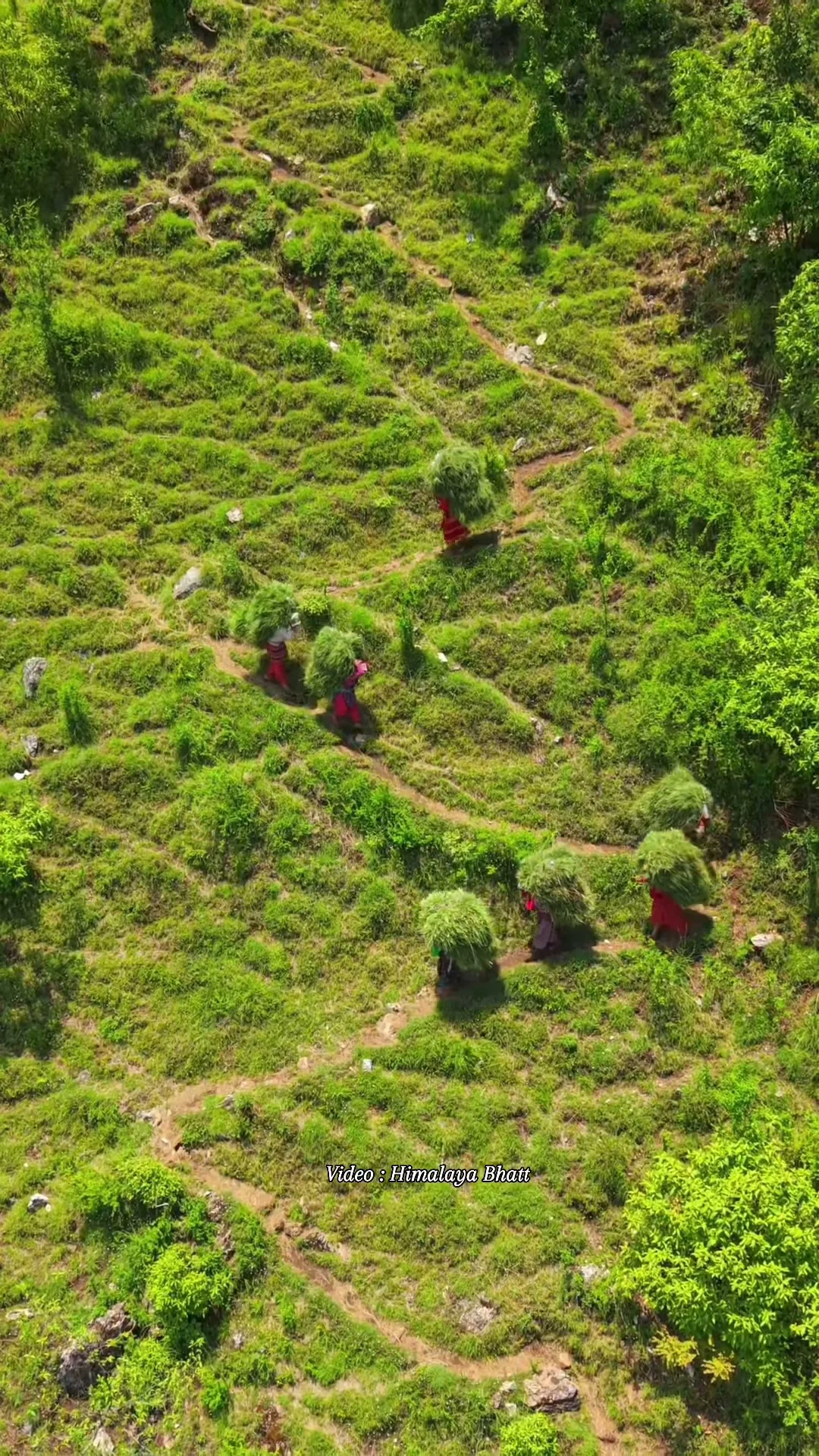
- Landscape: Nepal turns an extraordinary shade of green. Waterfalls appear on every cliff. Rhododendron forest floors are carpeted in moss.
- Mustang: The rain shadow of the Himalayas keeps Upper Mustang bone-dry during monsoon — it is actually the best time to trek there. See our Mustang region guide for rain-shadow planning.
If leeches bother you, stick to paths above 3,000 m where they are rare. A good rain jacket and gaiters solve most discomforts, and late September often clears beautifully as monsoon retreats and the Manaslu Circuit reopens for the autumn rush. Our guides are fully operational year-round and know exactly which routes to recommend in wet conditions — see how we trek responsibly in every season.
Month-by-Month Quick Reference
| Month | Weather | Crowds | Price | Recommended Treks |
|---|---|---|---|---|
| January | Cold, clear | Very low | Budget | Poon Hill, Langtang, lower EBC stages |
| February | Cool, clearing | Low | Budget | Poon Hill, ABC lower sections, Langtang |
| March | Warm, partly cloudy | Moderate | Mid | ABC, EBC, Manaslu, Langtang |
| April | Warm, some cloud | High | Peak | ABC (best month), EBC, Poon Hill |
| May | Warm, pre-monsoon build | Moderate–High | Peak | EBC (climbing season), Manaslu |
| June | Rainy, warm | Very low | Discount | Upper Mustang, Dolpo |
| July | Heavy rain | Minimal | Discount | Upper Mustang, Dolpo |
| August | Heavy rain | Minimal | Discount | Upper Mustang |
| September | Clearing, lush | Low | Discount | Manaslu (opens), Mustang, Langtang |
| October | Excellent, clear | Very high | Peak | All routes — prime season |
| November | Excellent, clear | High | Peak | All routes — prime season |
| December | Cold, very clear | Low | Budget | Poon Hill, Langtang, lower EBC |
Our Recommendation by Trek Type
Any month — the Pokhara Valley is accessible year-round and always rewarding, with snow-dusted backdrops in winter.
October or April. April edges it for the rhododendrons; October for guaranteed visibility. See the Annapurna guide.
October–November or April. October is the single most popular month; April suits climbers and spring scenery. More in the Everest guide.
September or October. The restricted-area circuit reopens after monsoon; October is ideal before Larkya La gets icy. See the Manaslu guide.
June–August. The Himalayan rain shadow makes this Nepal's premier monsoon destination — dry trails while the rest of the country pours.
October–April. Avoids the worst monsoon mud while offering quieter trails than the Annapurna and Everest corridors. See the Langtang guide.
What is the single best month to trek in Nepal?
October is the most reliable all-rounder: monsoon has just cleared, skies are at their sharpest, every route is open, and temperatures are comfortable up to base-camp altitudes. The trade-off is crowds and peak-season prices. For warmth and rhododendron blooms with slightly fewer people, April is the close second.
Can you trek in Nepal during the monsoon (June–September)?
Yes. Monsoon is not a closed season — it is a wetter, greener, quieter one with 20–25% discounts. The standout choice is Upper Mustang, which sits in the Himalayan rain shadow and stays dry while the rest of the country gets soaked. Stick to trails above 3,000 m to avoid leeches, and pack a proper rain jacket and gaiters.
Is winter trekking in Nepal safe?
Lower routes — Poon Hill, Langtang Valley, the Namche–Tengboche section of Everest — are safe and beautifully clear in December and January with the right gear. High passes such as Thorong La (5,416 m) and Larkya La can be snowed in and should only be attempted with crampons, an experienced guide and a flexible schedule.
Which month is best for Annapurna Base Camp specifically?
April for the rhododendron forests in full bloom and warm, comfortable conditions at the 4,130 m sanctuary; October for the cleanest, most guaranteed visibility. Both are excellent — the choice comes down to whether you prioritise blooms or sharp summit views.
When is the cheapest time to trek in Nepal?
The monsoon months (June–September) carry the deepest discounts — typically 20–25% off guided packages, teahouses and domestic flights. February and September are the best value within drier conditions: off-peak prices, easy availability, and far fewer crowds than the October or April peaks.
Do I need a guide and permits whatever month I trek?
Permits and the licensed-guide requirement do not change with the season. Most Nepal trekking routes have required a licensed guide since 2023. The Annapurna region needs an ACAP permit (NPR 3,000) and a TIMS card (NPR 2,000); restricted areas like Manaslu and Upper Mustang add special permits. Check our permit hub for the current route-by-route breakdown.
We have guided trekkers through every season since 1998, and we have never met a month that did not have something remarkable to offer. Whatever your window, we will match it to the trail conditions, realistic expectations and the itinerary that makes the most of your time in Nepal.
Browse all treks & tours →Ready to Plan Your Trek?
The right month is the one that lines up with your schedule, your budget, and the trail calling your name. Tell us your dates and we will map out trail conditions, realistic expectations, and the itinerary that fits. Meet the team, get in touch, or browse our full range of treks and tours to start planning.
Featured image: Dmitry A. Mottl via Wikimedia Commons (CC BY-SA 3.0).


Private departures on any date, hand-picked NMA guides, and 25+ years on the trail. Tell us your dates — we usually reply within a few hours.
Browse all treks & tours →
Written by
Travel Himalaya NepalPokhara-based, NMA-certified trekking guides. We’ve led 5,000+ treks across the Annapurna and Everest regions since 1998 — every word here comes from the trail. More from this author →
Share this article
Ready to Trek?
From reading about it to standing on it
Our Pokhara-based guides have been doing this since 1998. Tell us your dates and fitness level — we'll build your perfect itinerary. Free, no obligation.
Why trek with our licensed agencyMore guides like this
Popular trips to consider
View all treks & toursFree Trekker's Insider Guide
Permits, packing lists, cost breakdowns — no fluff.
We send one useful email. You can unsubscribe anytime.