
 1 daysEasy5,364 m
Everest Base Camp Helicopter Tour — 1 Day
From / person
$1,680

Duration
19 days
From
$5,200/person
Max Altitude
6,476 m
Difficulty
Extreme
Starts
Lukla (fly from Kathmandu)
Group Size
2–6 People
Stay
Tea House / Camp
Meals
Breakfast, Lunch & Dinner
Best Season
Oct–Nov, Mar–May
Airport pick-up and transfer to hotel. Comprehensive expedition briefing covering all three peaks, gear requirements, and permit documentation. Welcome dinner with the team.
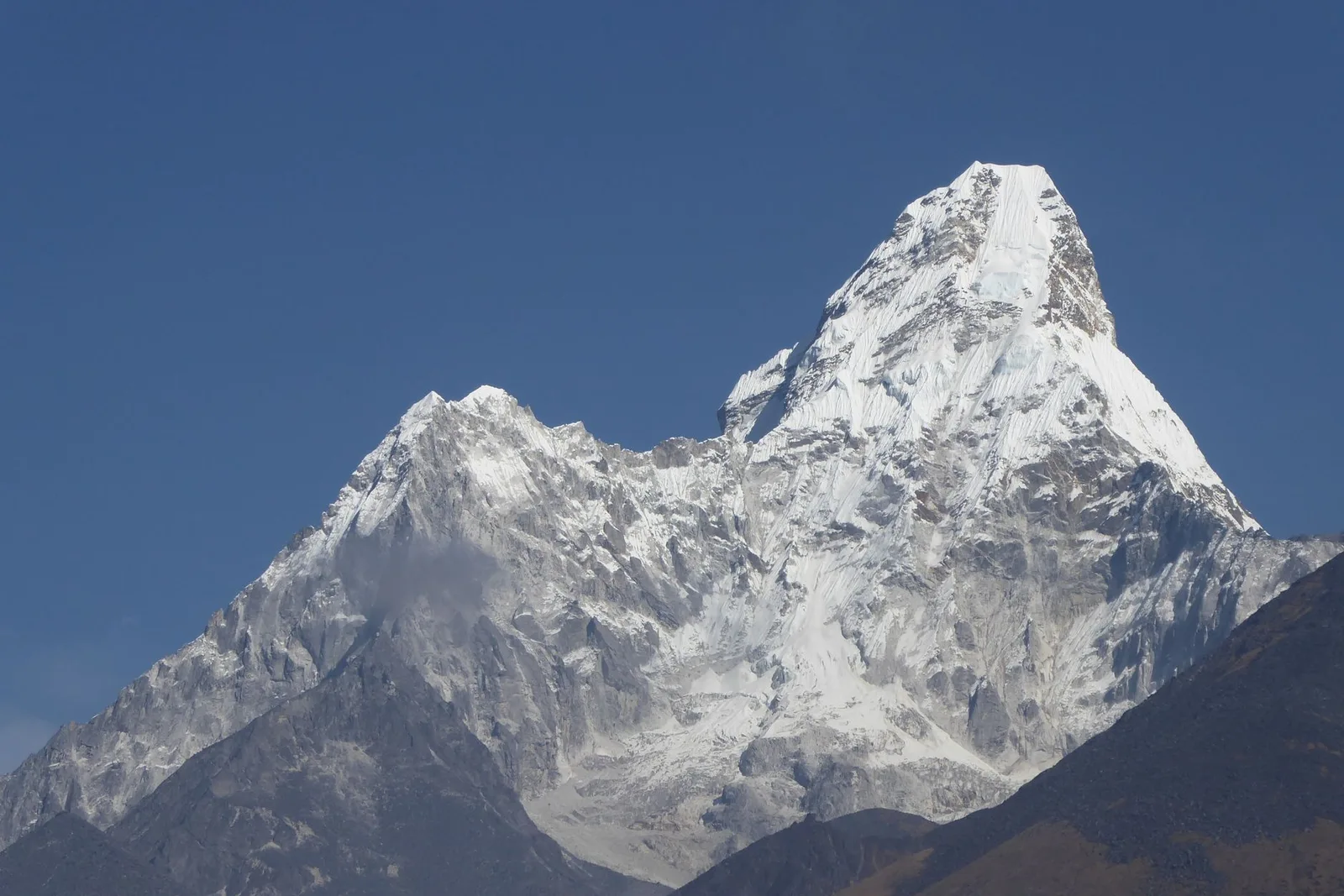
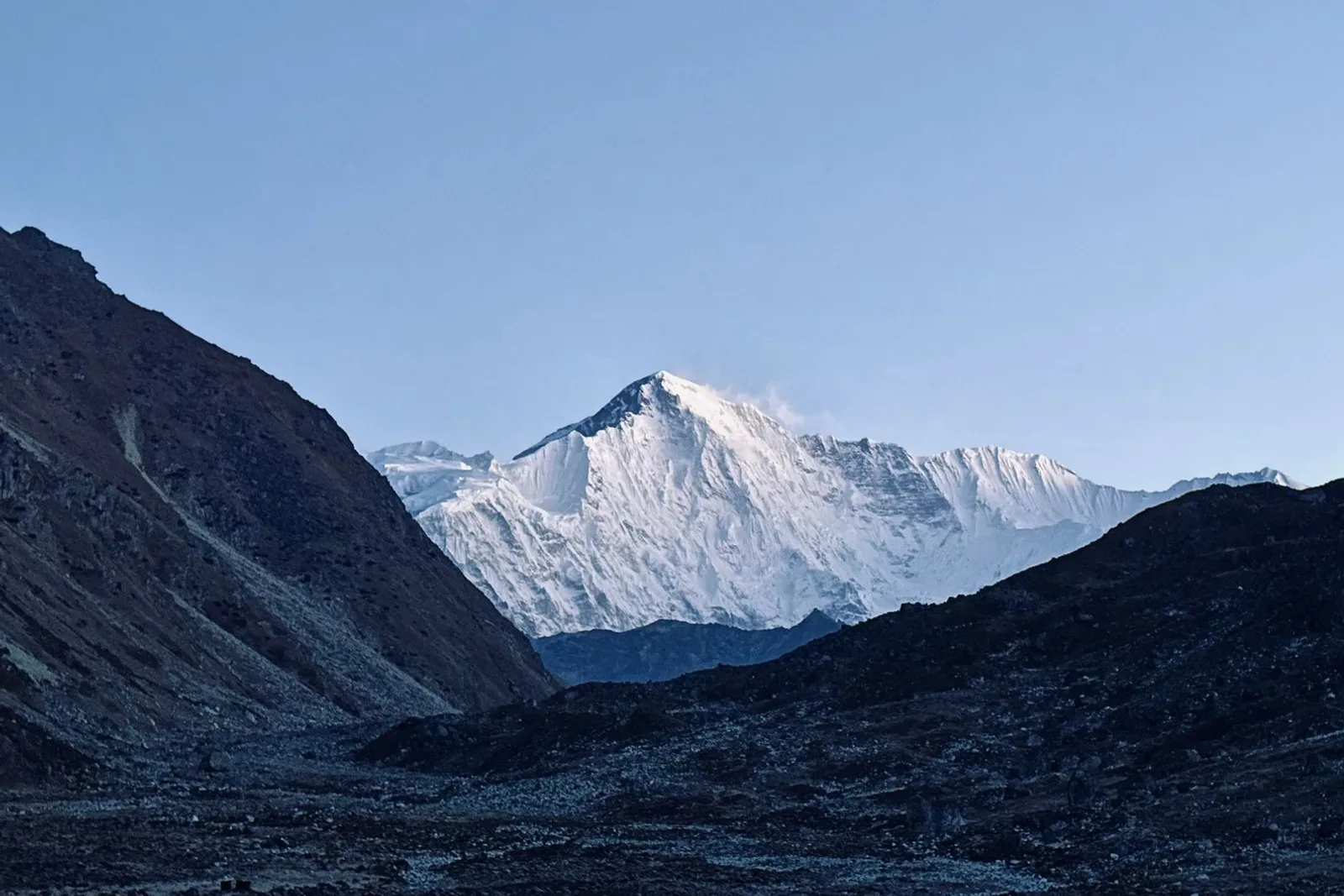
The Nepal Three Peaks Expedition is the Himalayan climber's ultimate short-trip challenge: summiting three separate peaks above 6,000 m — Mera Peak (6,476 m), Island Peak (6,189 m), and Lobuche East (6,119 m) — in a single 19-day expedition. Fewer than 200 climbers complete all three in one trip each year. For those with the fitness and ambition, it is one of the most remarkable achievements available to non-professional mountaineers anywhere in the world.
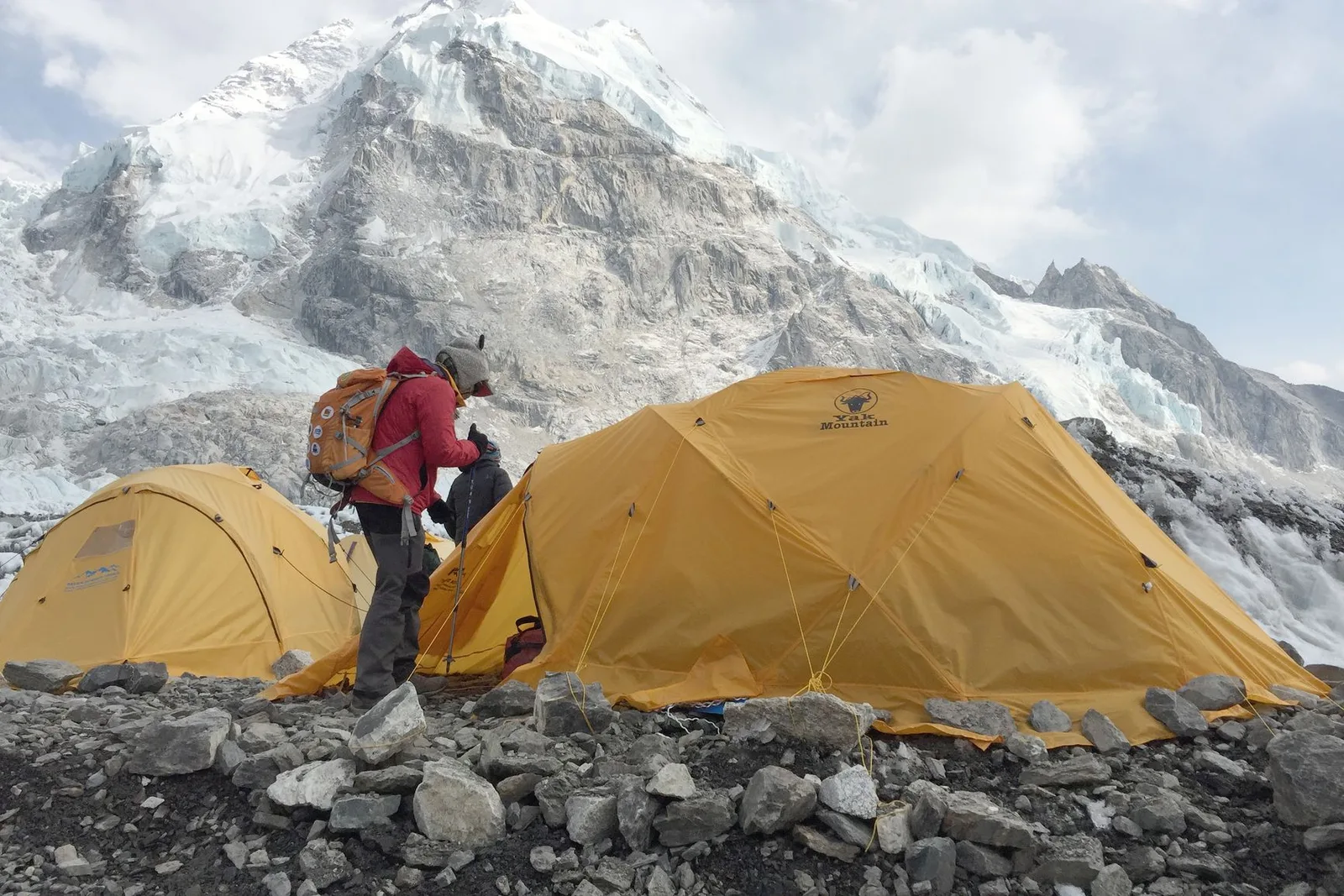
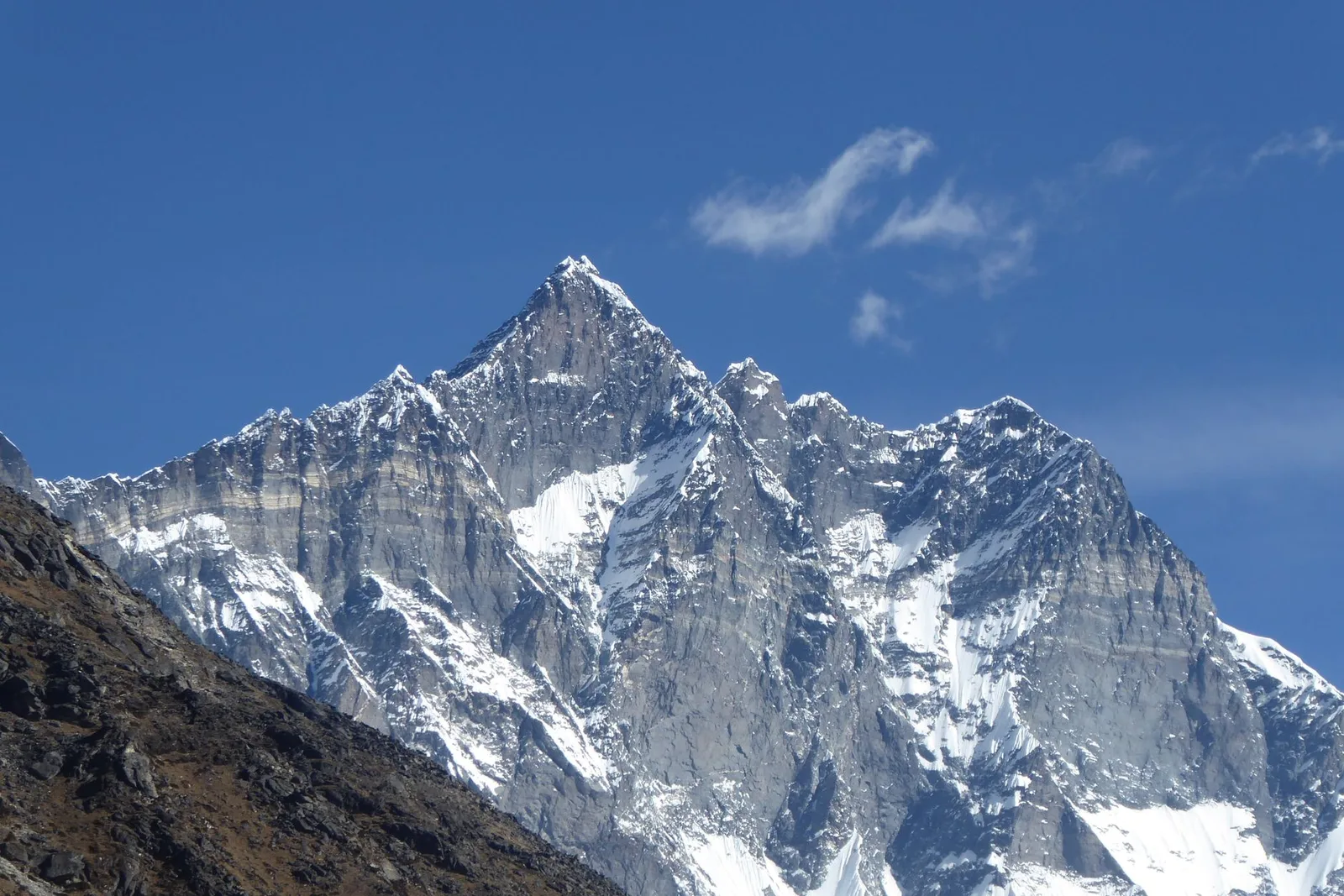
The expedition begins with Mera Peak — Nepal's highest non-technical trekking peak — approached via the Hinku Valley south of the Khumbu. Mera's summit is a broad snow dome, reached by a 45-degree snow slope and fixed rope section; the summit view encompasses five 8,000 m peaks simultaneously. After Mera, the route crosses the Mera La (5,415 m) into the Khumbu to approach Island Peak via Dingboche and Chhukung. Island Peak is a genuine technical climb — crampon work, jumar ascent on fixed lines, and an exposed summit ridge — that rewards with a ground-level view of Lhotse's 3,000 m south face. Lobuche East follows as the third and final summit, accessed from the classic EBC route above Lobuche village.
All climbing permits, high-altitude Sherpa support (one Sherpa per two climbers on summit days), base camp and high camp tents, and full technical gear rental are included.
You do not need prior 6,000 m experience to attempt the three peaks — but you must be honest about fitness. Each peak requires 6–8 hours of steep, high-altitude climbing on summit day. We recommend at least one prior multi-week Himalayan trek and ideally one prior technical climbing course (crampons, ice axe, rope management). Our pre-expedition fitness screening call is not optional — we turn away under-prepared applicants because failed summits are bad for everyone. Our three-peak success rate is 78%; the Himalayan average for comparable expeditions is 55%.
Best seasons: October–November and April–May (spring only for Mera). Permits: Three peak climbing permits (all included). Max altitude: Mera Peak 6,476 m.
Autumn (Sep–Nov)
Best season for all three peaks. October ideal — stable high pressure, clear summit days on Island Peak, Lobuche East and Mera.
Spring (Mar–May)
Excellent climbing season. Everest expedition season adds atmosphere in the Khumbu.
Winter (Dec–Feb)
Not recommended. Extreme cold across all three peaks.
Monsoon (Jun–Aug)
Not recommended. Heavy snow and poor visibility across all peaks.
Island Peak Climbing Permit
USD 250 (Sep–Nov) · USD 125 (other seasons)Arranged by us before departure.
Lobuche East Climbing Permit
USD 250 (Sep–Nov) · USD 125 (other seasons)Arranged by us before departure.
Mera Peak Climbing Permit
USD 250 (Sep–Nov) · USD 125 (other seasons)Arranged by us before departure.
Sagarmatha National Park Permit
USD 30Required for Khumbu section.
Makalu Barun National Park Permit
USD 30Required for Mera Peak / Hinku valley section.
TIMS Card
USD 20Required for all Nepal treks.
Khumbu Pasang Lhamu Rural Municipality Fee
NPR 2,000 (approx USD 15)Local municipality entry fee.
All permits are arranged and included in your package price. Nothing to organise yourself.
A detailed packing list will be sent with your booking confirmation. Gear rental available in Kathmandu and Pokhara.


On the Trail
Your Himalaya Awaits
Private departures on any date, a hand-picked NMA guide, and an itinerary built around you. Tell us your dates — we usually reply within a few hours.
$5,200
/ person · all-inclusive

