
The short version
After 29 years and 5,000+ guided treks, we know exactly what trekkers overpack and what they wish they'd brought. Here's our definitive list — organised by trek difficulty and duration.
After 29 years and 5,000+ guided treks, we know exactly what trekkers overpack — and what they wish they'd brought. The single biggest mistake we see year after year is arriving at Tribhuvan Airport with a 25kg bag, wide eyes, and creaking knees before the trail even starts. Your porter's back — and your own knees — will thank you for reading this before you pack.
- Keep your duffel to 10kg. Reputable agencies cap porter loads well below the old 35kg government figure; the International Porter Protection Group recommends 20–25kg at altitude — every kilo you add, someone else carries over a 5,000m pass.
- Layer, don't bulk. Base (merino/synthetic) + fleece mid + waterproof shell + a down jacket above 3,500m. No cotton, no jeans.
- Boots broken in before you fly. 8–10 hours of walking minimum. New boots on day one is the fastest way to end a trek.
- Buy the bulky stuff in Kathmandu or Pokhara. Down jackets, sleeping bags, poles and liners are cheap to buy or rent in Thamel and Lakeside.
- 2026 rule: foreign trekkers need a licensed guide through a registered agency in national parks and conservation areas — so pack your documents, not a solo-permit headache.
The 10kg Rule
On any multi-day trek in Nepal, your duffel should not exceed 10kg. This is not an arbitrary guideline — it is tied directly to porter welfare. Nepal's old government standard allowed loads up to 35kg including a porter's own kit, but that figure is widely regarded as unsafe at altitude. The International Porter Protection Group and TAAN-affiliated operators recommend 20–25kg per porter on high routes, and most porters carry one or two trekkers' duffels plus their own gear. Every kilogram you add is a kilogram someone else carries up a 4,000–5,000m pass. At Travel Himalaya Nepal we enforce the 10kg rule on all our treks without exception. Pack light: you will move faster, suffer less altitude fatigue, and enjoy the trail rather than endure it.
Porter welfare is a core part of how we operate — see our responsible trekking commitments. The 10kg cap protects the people who make your trek possible, and it protects you: a lighter, faster-moving group acclimatises better and has more margin if the weather turns.
Clothing Essentials — The Layer System
Nepal's mountain weather changes in minutes. A layering system is the only rational approach:
- Base layer: Moisture-wicking synthetic or merino wool. Two sets. Cotton kills — literally, in cold and wet conditions.
- Mid layer: Fleece jacket or softshell. A 200-weight fleece covers most evenings in teahouses up to 3,500m.
- Outer shell: Waterproof, breathable rain jacket. Gore-Tex or equivalent. Non-negotiable for monsoon treks (June–September).
- Down jacket: Essential for anything above 3,500m — Everest Base Camp, Annapurna Base Camp above Machapuchare Base Camp, Manaslu Circuit. A 600-fill-power jacket weighs around 400g and earns every gram.
- Trekking trousers: Two pairs of quick-dry convertibles. One pair of thermal leggings for sleeping.
- Gloves and hat: Liner gloves plus a warm beanie. Bring both even in October.
Choosing your weights depends heavily on season — read our best time to trek Nepal in 2026 guide before you finalise your layers. For the Annapurna routes specifically, our ABC packing list breaks the kit down day by day.
Footwear
This is where trekkers suffer most. Waterproof trekking boots broken in beforehand — this is absolutely critical. We cannot stress this enough. New boots on day one of a 14-day EBC trek is a recipe for blisters that will end your trip. Break them in over at least 8–10 hours of walking before you arrive in Nepal. For the Everest Base Camp trek, ankle support is essential on rocky moraine above Namche Bazaar.
- Waterproof trekking boots: Already broken in. Non-negotiable.
- Trail sandals or flip-flops: For teahouses, river crossings, and rest days. Your feet need to breathe.
- Gaiters: Highly recommended for monsoon season treks — leeches, mud, and wet grass are all managed better with gaiters over your boot tops.
- Trekking socks: 4–6 pairs of merino wool. No cotton.
Never trek in brand-new boots. The most common avoidable injury we see is blistering from un-broken-in footwear in the first three days — and it can compound into infection at altitude where healing slows. If your boots aren't ready, buy them weeks before you fly, not the night before.
Sleeping
Teahouses provide blankets — but not always clean ones. A sleeping bag liner (silk or fleece) adds 3–5°C of warmth and keeps you comfortable regardless of teahouse standards. For the sleeping bag itself:
- Everest Base Camp: Rated to -10°C (comfort rating). Nights at Gorak Shep reach -15°C in October.
- Annapurna Base Camp: Rated to -5°C is sufficient for the ABC trek in main season.
- Lower-altitude treks (Poon Hill, Mardi Himal): A 0°C bag with a liner works for most seasons. See the Poon Hill and Mardi Himal itineraries.
Compression sacks save space and protect your bag from damp duffel conditions during long porter carries.
Navigation & Safety
Mobile data is unreliable above Namche Bazaar on the Everest side and above Chhomrong on the Annapurna side. Download your maps before you leave Kathmandu or Pokhara:
- Maps.me or Gaia GPS: Offline trekking maps downloaded for Nepal. Free or low-cost. Lifesaving in fog.
- Basic first aid kit: Blister treatment (Compeed), Diamox (prescribed by your doctor before travel for AMS prevention), ibuprofen, rehydration salts, antiseptic wipes, bandages.
- Pulse oximeter: A small, inexpensive device (available in Kathmandu from USD 15) that measures blood oxygen saturation. Above 3,500m, check your SpO2 each morning. Below 85% is a warning sign requiring descent.
- Whistle and emergency contact card: Simple, light, never regretted.
Knowing the warning signs matters as much as the kit — read our altitude sickness prevention and treatment guide, and note the WHO advice that descent is always the definitive treatment for serious altitude illness.
Electronics
Power availability degrades sharply with altitude. Plan on no reliable USB charging above Namche Bazaar (3,440m) on the EBC route — some lodges offer it at premium prices but outlets are often shared and unreliable. Pack accordingly:
- Power bank: 20,000mAh capacity. Charge it fully in Lukla or Namche and ration use. A full charge typically covers a phone, camera, and earphones for 5–6 days.
- Universal travel adapter: Nepal uses Type C, D, and M sockets. A universal adapter saves frustration in Kathmandu and lower-altitude teahouses.
- Headlamp with spare batteries: USB-rechargeable headlamps are fine below 3,500m. Above that, carry spare AA or AAA lithium batteries — cold kills rechargeable cells faster than you expect.
- Camera: Your phone camera is excellent. A lightweight mirrorless or bridge camera adds value; a DSLR with multiple lenses usually doesn't justify the weight.
Documents, Permits & Money
Since 2023, foreign trekkers must trek with a licensed guide through a government-registered agency in Nepal's national parks and conservation areas — and as of March 2026 even restricted-area permits no longer require a group of two, but a licensed guide and a TAAN-registered agency remain mandatory. When you book with us, we arrange every permit; you just need to bring the paperwork below. For the full breakdown see our permits hub and Nepal visa guide.
- Passport: Original, valid for at least 6 months beyond your departure date.
- 2–4 passport-size photos: Required for TIMS and National Park/Conservation Area permits. Bring extra — losing one mid-trail is avoidable stress.
- USD cash in small bills: ATMs in Kathmandu and Pokhara work reliably. Above Lukla or Pokhara city, there are no ATMs. Budget 15–20 USD/day for teahouse meals and hot showers, paid in NPR (exchange in town).
- Travel insurance printout: Must explicitly cover high-altitude trekking and helicopter evacuation. Carry a printed copy and have the emergency number saved offline.
- Photocopies of key documents: Keep copies separate from originals in your duffel.
2026 permit costs at a glance
| Permit | Foreigner (non-SAARC) | SAARC national | Notes |
|---|---|---|---|
| TIMS — group | NPR 1,000 | NPR 300 | Arranged by your agency; being phased out in some regions |
| TIMS — solo/independent | NPR 2,000 | NPR 600 | Discontinued in Everest/Khumbu |
| ACAP (Annapurna) | NPR 3,000 | NPR 1,000 | See ACAP + TIMS guide |
| Sagarmatha NP (Everest) | NPR 3,000 | NPR 1,500 | Plus Khumbu rural municipality fee — EBC permit guide |
Figures are indicative for 2026 and set by the Nepal Tourism Board and DNPWC; always confirm current rates before you travel.
What to Skip
These are the items we see trekkers lugging in — and regretting:
- Jeans: Heavy, slow to dry, restrictive. Leave at home.
- Cotton anything: T-shirts, socks, underwear — cotton holds moisture and causes chafing and cold. Replace everything with synthetic or merino before you arrive.
- Tripod: Unless you are a professional photographer on assignment, the weight is not worth it. A lightweight GorillaPod is acceptable for serious enthusiasts.
- Full-size toiletries: Teahouses and lodges in Kathmandu, Pokhara, Namche Bazaar, and most major trail stops sell shampoo, toothpaste, sunscreen, and basic toiletries. Travel-size only.
- Books: Download to your e-reader or phone before you leave.
- More than 2 pairs of trekking trousers: Teahouse laundry services are available on most routes for a small fee.
What to Buy or Rent in Kathmandu or Pokhara
You don't need to arrive fully kitted. Both Kathmandu's Thamel district and Pokhara's Lakeside are well-stocked with trekking gear at competitive prices:
North Face / Mammut-style copies from NPR 800–3,000 (USD 6–22). Quality varies — inspect stitching carefully. Fine for a single trek.
USD 5–10/day to rent from most shops. Buying a lightweight carbon pair is worthwhile if you trek regularly.
Imported merino and synthetic socks, sleeping-bag liners, gaiters and buffs — all cheaper than Western outdoor retailers.
Rentable by the day in Thamel and Lakeside — ideal if you only need –10°C kit for one EBC or Manaslu trip.
Packing List by Trek Type
| Item Category | 3–4 Day Trek (e.g. Poon Hill) | 4–5 Day Trek (e.g. Mardi Himal) | 12–14 Day Trek (e.g. EBC) |
|---|---|---|---|
| Clothing layers | Base + mid + shell | Base + mid + shell + down | Base (×2) + mid + shell + down |
| Sleeping bag rating | 0°C comfort | -5°C comfort | -10°C comfort |
| Power bank | 10,000mAh | 10,000–20,000mAh | 20,000mAh |
| Cash (NPR equiv.) | USD 60–80 | USD 100–130 | USD 250–350 |
| Target bag weight | 6–7kg | 7–8kg | 9–10kg |
Longer circuits — the Annapurna Circuit, Manaslu Circuit or Langtang Valley — follow the 12–14 day column. Browse everything on our full tours page.
How heavy can my bag be on a Nepal trek?
Keep your packed duffel to 10kg. Nepal's old government standard allowed porter loads up to 35kg including their own kit, but the International Porter Protection Group and reputable TAAN operators recommend 20–25kg per porter at altitude. We enforce a 10kg duffel limit on every trek for porter welfare and your own pace.
What sleeping bag rating do I need?
For Everest Base Camp, a –10°C comfort-rated bag (Gorak Shep drops to –15°C in October). For Annapurna Base Camp in main season, –5°C is enough. For Poon Hill or Mardi Himal, a 0°C bag plus a liner works. A silk or fleece liner adds 3–5°C and keeps you comfortable regardless of teahouse blankets.
Can I buy trekking gear in Nepal instead of bringing it?
Yes. Kathmandu's Thamel and Pokhara's Lakeside are full of trekking shops. Jackets and shells run NPR 800–3,000, poles rent for USD 5–10/day, and down sleeping bags and jackets can be rented by the day — ideal if you only need –10°C kit for one trek. Inspect stitching on copies; quality varies.
Do I still need a TIMS card in 2026?
It depends on the region. TIMS has been discontinued in the Everest/Khumbu region, where the municipality permit replaced it, but it is still required in Annapurna, Langtang and the restricted areas, alongside the National Park and Conservation Area permits. Since 2023 foreign trekkers must also trek with a licensed guide through a registered agency. When you book with us we arrange all required permits — you just bring your passport and photos. See our permits hub.
What should I absolutely not pack?
Jeans, cotton clothing, full-size toiletries, physical books, a tripod, and more than two pairs of trekking trousers. Cotton holds moisture and causes cold and chafing; toiletries and laundry are available on the trail. Every gram you save is a gram off your porter's load.
How much cash should I carry on the trail?
There are no ATMs above Lukla or beyond Pokhara city, so carry NPR for the whole trek. Budget USD 15–20/day for meals, hot showers and charging — roughly USD 60–80 for a short Poon Hill trek and USD 250–350 for a 12–14 day EBC trek. Bring small USD bills to exchange in town.
Every trekker who books with Travel Himalaya Nepal receives a personalised packing list tailored to their route, season and fitness level — emailed within 48 hours of booking. No generic PDFs; real advice from guides who have done your trek hundreds of times.
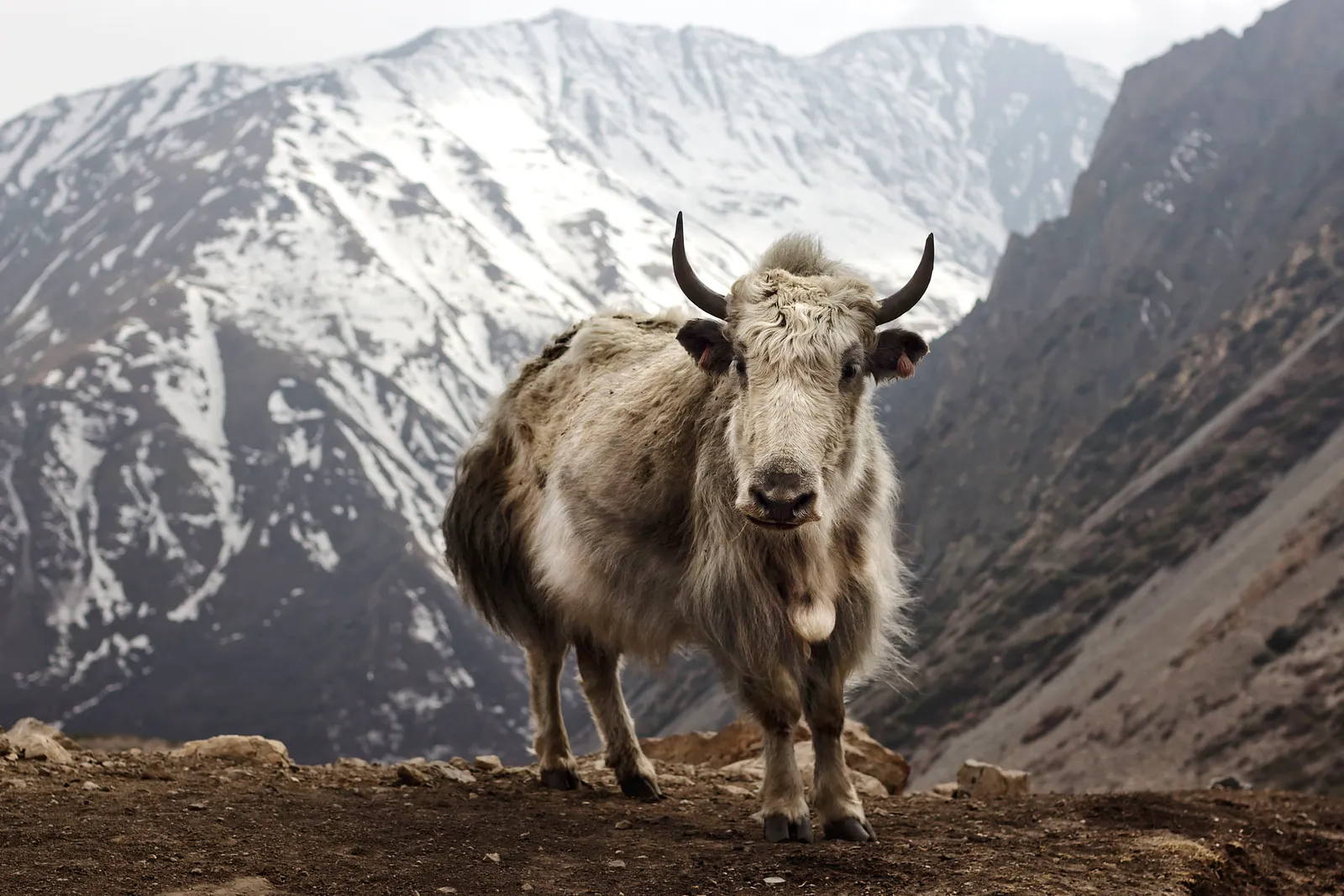
Browse our treks →Featured image: travelwayoflife via Wikimedia Commons (CC BY-SA 2.0).


Private departures on any date, hand-picked NMA guides, and 25+ years on the trail. Tell us your dates — we usually reply within a few hours.
Browse all treks & tours →
Written by
Travel Himalaya NepalPokhara-based, NMA-certified trekking guides. We’ve led 5,000+ treks across the Annapurna and Everest regions since 1998 — every word here comes from the trail. More from this author →
Share this article
Ready to Trek?
From reading about it to standing on it
Our Pokhara-based guides have been doing this since 1998. Tell us your dates and fitness level — we'll build your perfect itinerary. Free, no obligation.
Why trek with our licensed agencyMore guides like this
Popular trips to consider
View all treks & toursFree Trekker's Insider Guide
Permits, packing lists, cost breakdowns — no fluff.
We send one useful email. You can unsubscribe anytime.