
The short version
The majestic peak of Mount Everest, often referred to as “the roof of the world,” beckons adventurous spirits from around the globe. However, attempting to reach the summit requires years of experience, specialized skills, and significant physical and mental preparation. But fret not, aspiring climbers! This guide by Travel Himalaya Nepal equips you with the […]
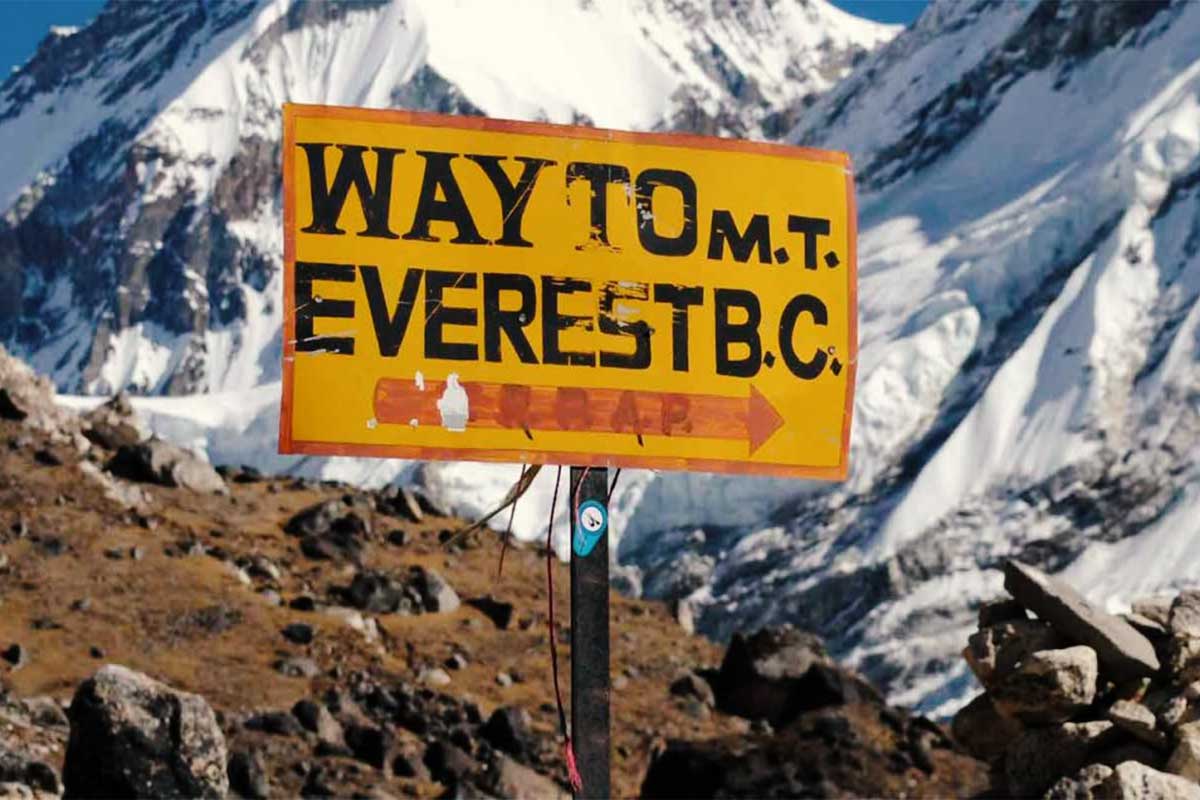
Standing at Everest Base Camp (5,364 m), prayer flags snapping in the wind and the Khumbu Icefall tumbling above you, is one of trekking's great rewards — and the good news is you do not need to be a mountaineer to get there. After guiding more than 5,000 treks since 1998, our verdict is simple: the Everest Base Camp (EBC) trek is achievable for any reasonably fit beginner who trains for roughly three to six months and respects the altitude. This guide walks you through fitness, a realistic training plan, gear, acclimatisation, permits and budget for 2026.


- Fitness: No climbing skills needed. Train 3–6 months for cardio endurance and leg/back strength — if you can walk 6–7 hours over hills carrying a daypack, you are ready.
- Altitude: The real challenge is 5,364 m elevation, not technical terrain. A 14-day itinerary with built-in acclimatisation days is the safest beginner choice.
- Permits (2026): Sagarmatha National Park permit (NPR 3,000 / ~USD 22) + Khumbu Pasang Lhamu Rural Municipality permit (NPR 3,000 / ~USD 23). TIMS is no longer required for the Everest region.
- Guide: A licensed guide is now mandatory in Sagarmatha National Park — independent (solo, no-guide) trekking is not permitted.
- Budget: A guided package through a local Nepali operator runs roughly USD 1,400–2,500, excluding international flights.
Can a beginner really do the Everest Base Camp trek?
Yes. The EBC trek is a walking trek — there is no roped climbing, no ice axe, no crampons. What makes it demanding is the combination of consecutive long days (5–7 hours on foot), uneven Himalayan terrain, and thinning air as you climb past 5,000 m. None of this requires prior mountaineering experience, but it does reward preparation. Most of our beginner clients who train sensibly reach Base Camp comfortably; the ones who struggle almost always under-trained or ascended too fast. For the full route, costs and day-by-day picture, see our Everest Base Camp cost guide for 2026 and the Everest region guide.
Building your fitness foundation
Aim to train consistently for at least three months — six if you are starting from a sedentary base. The goal is not speed; it is the ability to keep walking, day after day, on tired legs. Build your week around three pillars:
- Cardiovascular endurance: 3–4 sessions a week — brisk walking, running, cycling, swimming or stair climbing. Your engine needs to deliver oxygen efficiently when there is less of it to go around.
- Strength training: 2–3 sessions a week focused on legs (squats, lunges, step-ups), core and back. Strong legs protect your knees on the long descents; a strong back carries your daypack without fatigue.
- Loaded hill walking: The single most useful workout. Hike real hills carrying a 5–7 kg pack, gradually increasing duration toward a 6–7 hour day. This is the closest you can get to the trek itself.
The best training for trekking is trekking. Put long, weighted, back-to-back hill walks in your plan — two big days on consecutive weekends teaches your legs to recover overnight, exactly what the trail demands.
A simple 12-week beginner plan
| Phase | Weeks | Weekly focus |
|---|---|---|
| Base | 1–4 | 3× cardio (30–45 min), 2× full-body strength, 1 hill walk (1–2 hrs, light pack) |
| Build | 5–8 | 3–4× cardio (45–60 min), 2× leg/core strength, 1 long hill walk (3–5 hrs, 5 kg pack) |
| Peak | 9–11 | 4× cardio, 2× strength, back-to-back weekend hikes (5–7 hrs, 6–7 kg pack) |
| Taper | 12 | Reduce volume, keep one easy hike, rest legs before departure |
Acclimatisation: the part beginners underestimate
Above 2,500 m the air holds less oxygen, and ascending too quickly is what causes acute mountain sickness (AMS). A good 14-day itinerary builds in acclimatisation days at Namche Bazaar (3,440 m) and Dingboche (4,410 m), following the golden rule: climb high, sleep low. Drink 3–4 litres of water daily, walk slowly, and never ignore symptoms. Headache, nausea, dizziness or breathlessness at rest mean you stop ascending; if they worsen, you descend. Many trekkers discuss preventative Diamox (acetazolamide) with their doctor before travelling. Our full primer is altitude sickness in Nepal: prevention and treatment.
Altitude sickness can affect the fittest trekkers — fitness does not make you immune. The only reliable cure is descent. This is precisely why a 14-day, properly paced itinerary with acclimatisation days beats a rushed 9-day dash for first-timers.
What gear do you need?
You are not summiting Everest, so you do not need expedition mountaineering kit — but you do need to be ready for sub-zero nights and strong high-altitude sun. Dress in layers you can add and shed through the day:
Well-broken-in waterproof hiking boots with ankle support, plus several pairs of merino or synthetic trekking socks. Never trek in brand-new boots.
Moisture-wicking base layers, an insulating fleece, and a warm down jacket for camp and Kala Patthar. A waterproof, breathable shell on top.
A sleeping bag rated to roughly −15°C. Teahouse blankets are not enough at the higher lodges.
Category-4 sunglasses, high-SPF sunscreen, lip balm, sun hat, warm beanie, and insulated gloves. UV is intense at altitude.
Much of this can be hired or bought affordably in Kathmandu or Pokhara if you would rather not buy it all at home. For a complete checklist transferable to Everest, see our packing guide.
Permits, guide rules and visa for 2026
The Everest region's permit system changed in recent years, and 2024-era information is now out of date. As of 2026, foreign trekkers need two permits — and the old TIMS card is no longer part of the Everest requirement:
| Requirement | Cost (foreigners) | Where |
|---|---|---|
| Sagarmatha National Park entry permit | NPR 3,000 (~USD 22) | NTB Kathmandu or Monjo gate |
| Khumbu Pasang Lhamu Rural Municipality permit | NPR 3,000 (~USD 23) | Lukla or Monjo |
| Licensed guide (now mandatory) | ~USD 25–35 / day | Arranged by your operator |
| Nepal tourist visa | From USD 30 (15 days) | On arrival or e-visa |
Independent, guideless trekking is no longer permitted inside Sagarmatha National Park, so a licensed guide is both a legal requirement and a genuine safety asset for first-timers. When booking with us, all permits are arranged for you. For the deep dive, read our Everest Base Camp permits guide, the wider permits hub, and the Nepal visa guide. Official permit details are confirmed by the Nepal Tourism Board and DNPWC.
When should a beginner go?
Two windows stand out. Spring (mid-March to late May) brings warming days, blooming rhododendrons in the lower valleys, and clear mornings — daytime temperatures around 15°C, nights near or just below freezing. Autumn (late September to mid-November) follows the monsoon with freshly washed air and the sharpest mountain visibility of the year; October is many guides' favourite month, while November is quieter and still stable. Avoid the monsoon (June–August) for cloud and leeches, and deep winter (December–February) for severe cold. More detail in our best time to trek Nepal 2026 guide.
What will it cost?
A standard all-inclusive guided EBC package through a local Nepali operator typically runs USD 1,400–2,500, covering your licensed guide and porter, teahouse accommodation, most meals, both permits and the Lukla flights. Premium small-group trips with senior guides and better lodges range USD 2,500–4,000. International flights and travel insurance (with high-altitude and helicopter-evacuation cover) sit on top. The Lukla round-trip flight alone is roughly USD 350–480 per person depending on season. Our full breakdown lives in the EBC cost 2026 guide.
The mental side
Reaching Base Camp is as much about persistence as fitness. Expect long days, cold nights, basic teahouse comforts and the occasional rough morning at altitude. Trekkers who do best treat each day as its own goal, walk at their own steady pace, and lean on their guide. A positive, patient mindset carries you further than raw athleticism.
Consult your doctor before any high-altitude trek, especially if you have heart, lung or blood-pressure conditions. Choose a reputable operator that pays fair wages and insures its porters — see our responsible trekking commitments and our story.
How long do I need to train for the Everest Base Camp trek as a beginner?
Plan for at least three months of consistent training, or six months if you are starting from a sedentary base. Focus on cardiovascular endurance, leg and back strength, and progressively longer hill walks carrying a daypack. If you can comfortably walk 6–7 hours over hilly ground with a light pack, you are well prepared.
Do I need climbing experience or technical skills for EBC?
No. The Everest Base Camp trek is a walking trek with no roped climbing, crampons or ice axes. The genuine challenge is the high altitude (5,364 m) and consecutive long walking days, not technical terrain — which is why fitness and acclimatisation matter far more than mountaineering skill.
What permits do I need for Everest Base Camp in 2026?
Two permits: the Sagarmatha National Park entry permit (NPR 3,000, about USD 22) and the Khumbu Pasang Lhamu Rural Municipality permit (NPR 3,000, about USD 23). The TIMS card is no longer required for the Everest region. You will also need a Nepal tourist visa.
Is a guide mandatory for the EBC trek?
Yes. A licensed guide is now required inside Sagarmatha National Park, and independent guideless trekking is not permitted. Beyond the legal requirement, a guide adds real safety value for first-timers — managing pace, acclimatisation, navigation and emergencies. We arrange your licensed guide and all permits as part of the package.
How do I avoid altitude sickness on the trek?
Ascend slowly, take the scheduled acclimatisation days at Namche and Dingboche, follow the climb-high-sleep-low principle, and drink 3–4 litres of water a day. Never ignore symptoms such as persistent headache, nausea or breathlessness at rest — if they worsen, the only reliable treatment is to descend. Many trekkers discuss preventative Diamox with their doctor beforehand.
How much does a guided Everest Base Camp trek cost in 2026?
A standard all-inclusive guided package through a local Nepali operator runs roughly USD 1,400–2,500, including guide, porter, teahouse accommodation, most meals, both permits and the Lukla flights. Premium small-group trips range USD 2,500–4,000. International flights and travel insurance are additional.
Planning to add a summit to your Nepal trip? Browse all Nepal peak climbing packages — Island Peak, Mera Peak, Lobuche East, and more.
Our 14-day Everest Base Camp trek is built for beginners — paced acclimatisation days, licensed guides, fair-wage porters and every permit handled for you. Walk to the foot of the world's highest mountain with a team that has guided it since 1998.
Explore the 14-day EBC Trek →
Private Everest departures on any date, hand-picked NMA guides, and 25+ years on these trails. Tell us your dates — we usually reply within a few hours.
Browse Everest treks & tours → Read the Everest guide →
Written by
Travel Himalaya NepalPokhara-based, NMA-certified trekking guides. We’ve led 5,000+ treks across the Annapurna and Everest regions since 1998 — every word here comes from the trail. More from this author →
Share this article
Ready to Trek?
From reading about it to standing on it
Our Pokhara-based guides have been doing this since 1998. Tell us your dates and fitness level — we'll build your perfect itinerary. Free, no obligation.
Why trek with our licensed agencyMore guides like this
Popular trips to consider
View all treks & toursFree Trekker's Insider Guide
Permits, packing lists, cost breakdowns — no fluff.
We send one useful email. You can unsubscribe anytime.