
The short version
Thousands of women trek Nepal solo every year. Here's an honest, practical guide to safety, the best routes, local customs, and when a guide makes sense — from women who've done it.
Thousands of women trek Nepal solo every year — and most return home saying it was one of the most empowering experiences of their lives. Nepal is genuinely one of the safer countries in Asia for solo female travel: the trails are well-trodden, the teahouse culture is communal and warm, and locals on the main routes have welcomed independent women for decades. The honest caveat is that "safe" is never "risk-free," and the rules changed in 2026 — a licensed guide is now mandatory on almost every popular route. This guide gives you the full, practical picture: routes, the new permit rules, accommodation, customs, health, and exactly how a guide keeps you safer.
- Is it safe? Yes — Nepal ranks well for solo female travel and harassment on main routes is rare. The real risks are environmental (altitude, weather, terrain), not social.
- Can I still go solo? You can travel independently, but as of 2026 a licensed guide is mandatory in every National Park and Conservation Area — including all Annapurna and Everest routes. Trekking fully alone is no longer permitted.
- Best first routes: Ghorepani Poon Hill (4 days) and Mardi Himal (4–5 days) — short stages, busy teahouses, gentle altitude.
- Request a female guide. Our senior guide Sunita Pandey has led 200+ women's treks and is regularly requested by name.
The Reality of Solo Female Trekking in Nepal
Nepal consistently ranks well on female travel safety indices compared to broader South Asian averages. Sexual harassment on the main trekking routes is rare and reported far less frequently than in many popular travel destinations. Several structural factors help:
- High trail traffic on main routes: The Annapurna Circuit, Poon Hill, and Everest Base Camp routes see dozens to hundreds of trekkers daily in season. You are never truly alone.
- Teahouse culture is communal: Meals are shared at long tables. Fellow trekkers — couples, groups, other solos — form organic trail communities over dinner. Isolation is the exception, not the rule.
- Trekking is Nepal's livelihood: Teahouse owners, porters, and local guides depend on trekker trust. They have strong cultural and economic incentives to ensure visitors feel welcome and safe.
- Permits and checkposts: Your conservation permit and (where applicable) TIMS registration create a paper trail. Checkposts along routes log who is on the trail, which adds a layer of accountability.
The main risks on Nepal's trails are environmental, not social: altitude sickness, weather changes, injury on rough terrain, and occasionally petty theft in Kathmandu or Pokhara city (not on trails).
The Nepal Tourism Board and TAAN now require every foreign trekker to hire a licensed guide affiliated with a registered agency on routes inside National Parks, Conservation Areas, and Restricted Areas — which covers Poon Hill, Mardi Himal, ABC, the Annapurna Circuit, Everest Base Camp, Langtang and Manaslu. A separate update in March 2026 means solo travellers can now obtain restricted-area permits as individuals (no second-person minimum), but a guide is still required. In practice, the "guide or no guide?" debate is largely settled — but you choose which guide, and you can request a woman.
Safest Routes for Solo Women
These routes are the strongest starting points for solo female trekkers, particularly first-timers:
The most accessible trail in Nepal. Short stages, well-marked paths, busy teahouses, and spectacular Annapurna and Dhaulagiri views at sunrise. Family-run lodges at every stop — ideal for building trail confidence. See the 4-day Poon Hill itinerary & cost.
Quieter than Poon Hill but entirely comfortable in daylight hours. Passes through Gurung villages with deeply hospitable communities; fewer crowds mean more personal connections with lodge owners. See the Mardi Himal trek.
Well-trafficked, well-signed, and full of easy turn-around points. The trail from Chhomrong to ABC sees consistent foot traffic in season. Browse the 6-day ABC trek or our wider Annapurna region guide.
Routes Requiring More Caution
These routes are not off-limits, but they warrant extra planning and, in every case now, a licensed guide:
- Manaslu Circuit: Remote, lower infrastructure, and culturally conservative villages. This is a restricted area requiring a special permit arranged through a registered agency — a guide is mandatory. See our Manaslu guide and the 14-day Manaslu Circuit.
- Everest Base Camp: The route is busy, but the remoteness above Namche Bazaar, the elevation, and the physical demands make a guide essential rather than optional. See the 14-day EBC trek and EBC permit guide.
- Upper Mustang: A guide has long been mandatory by law and the permit cannot be issued without an agency. See our Mustang guide.
- Off-route trails and lesser-known circuits: Stick to established routes unless you have significant Nepal trekking experience.
Permits & the 2026 Guide Rule
For the Annapurna region (where most first solo treks happen), the paperwork is refreshingly simple. The Annapurna Conservation Area Permit (ACAP) is the main requirement, and you carry a TIMS card alongside it; your agency issues both. As of 2026, you must also show proof of travel insurance covering high-altitude trekking and helicopter evacuation before permits are issued.
| Item | Cost (foreigners, 2026) | Notes |
|---|---|---|
| ACAP permit (Annapurna) | NPR 3,000 (~USD 25) | NPR only at the counter; or apply online via NTNC e-permit. Children under 10 free. |
| TIMS card (where required) | NPR 1,000 (with agency) / 2,000 (individual) | Not enforced on Annapurna routes in 2026; still used on some areas. |
| Licensed guide | ~USD 40–50 / day | Mandatory in 2026 on parks, conservation & restricted areas. Female guide available on request. |
| Travel insurance | Varies | Must cover high-altitude trekking + heli evacuation — now checked before permit issue. |
Full breakdowns live on our permits hub and the ACAP + TIMS deep guide. Booking through us means we handle every permit and the insurance check for you.
Why a Guide Genuinely Makes You Safer
Beyond the fact that it is now required, a good guide changes the texture of the trip — especially for a woman travelling alone:
- Altitude judgement without ego. Managing symptoms and making descent decisions calmly and early — read our altitude sickness prevention guide.
- Vetted lodges and fair prices. Knowing which teahouses are clean, well-run, and safe — and negotiating fairly.
- Cultural context. Understanding rituals, festivals, and respectful interaction in villages.
- Language. English is widely spoken on main routes, but Nepali unlocks deeper conversations and genuine hospitality.
Request a female guide where possible. At Travel Himalaya Nepal, Sunita Pandey is a senior guide who speaks four languages (Nepali, English, Hindi, and French) and specialises in cultural immersion and women's solo treks. She has led over 200 women's treks across the Annapurna and Langtang regions, and many of our solo female clients request her by name. Learn more about our team on our About page.
You can request a female guide and, where wanted, a female porter. It costs no extra, and for many women it transforms the trip — shared rooms feel easier, village conversations open up, and questions you might not ask a male guide are simply easier to ask.
Accommodation Safety
Teahouse rooms are simple but generally safe. Standard practice:
- Rooms lock from the inside with a simple bolt or latch — consistent across main-route teahouses. If yours doesn't, ask for a different room or wedge a doorstop against the door.
- Avoid single rooms at the end of long corridors, particularly in larger lodges at busy stops like Namche Bazaar or Gorak Shep. A room near the common area gives you proximity to noise and people.
- Befriend other trekkers at dinner. The communal dining table is your best safety tool. Travel pairs and trail friendships form quickly — often within the first two days.
- Shared bathrooms are standard at most altitudes. Bring a doorstop and a headlamp for night-time trips.
The few incidents women do report happen in Kathmandu and Pokhara nightlife, not on the trail — opportunistic bag-snatching, over-friendly touts, or unlicensed "guides" approaching you on the street. Book your guide and permits through a registered agency, keep valuables out of sight in the cities, and use registered taxis at night.
Local Customs to Respect
Respectful behaviour is both culturally important and practically protective — it builds goodwill and signals that you understand the community you're passing through:
- Dress modestly in villages: Cover shoulders and knees, particularly in Gurung, Sherpa, and Tibetan Buddhist communities. Leggings are fine on trail; add a lightweight skirt or sarong for village stops if you prefer.
- Remove shoes at monastery and temple entrances: Signs are usually posted. When in doubt, watch what others do.
- Left-hand etiquette: In Hindu and Buddhist tradition, the left hand is considered impure. Offer food, money, or gifts with the right hand or both hands.
- Clockwise around stupas and mani walls: Always pass Buddhist monuments and prayer walls on your left, keeping them to your right as you walk.
- Ask before photographing people: A smile and a gesture go a long way. Never photograph religious ceremonies without permission.
Health & Hygiene on Trail
Practical notes that most packing lists skip — and see our full Annapurna packing list:
- Menstrual cups: Strongly recommended over disposables on multi-day treks. Waste disposal on trail is limited, and carrying used products for days is unpleasant. Cups are hygienic, pack small, and need only clean water to rinse.
- Wet wipes: Essential. Showers are available at most teahouses below 4,000m for a small fee, but above that altitude, wet wipes are your shower.
- Squat toilets: Mostly what you'll encounter above the main towns. Western-style toilets appear in better lodges at Namche Bazaar and in Pokhara. Bring your own toilet paper.
- Altitude affects menstrual cycles: Many women report delayed, lighter, or heavier periods at altitude. This is normal and temporary. If you use hormonal contraception, altitude and dehydration can affect absorption — consult your GP before travel. The WHO also has general high-altitude travel health advice.
- Water: Drink 3–4 litres per day above 3,000m. Use purification tablets or a SteriPen — teahouse boiled water is also safe. Avoid bottled water where possible to cut plastic waste (see responsible trekking).
Communication & Planning
- Buy a local SIM in Kathmandu: Ncell and Nepal Telecom both offer tourist SIMs at Tribhuvan Airport. Data covers most of the main Annapurna trails; Everest coverage above Namche is patchy.
- Share your itinerary with someone at home: Date-by-date, with teahouse names and check-in times. Agree on a schedule (e.g., WhatsApp each evening). If you miss two check-ins, they should contact your insurer.
- Offline maps are essential: Download Maps.me or Gaia GPS for your route before leaving Pokhara or Kathmandu. Never rely on mobile data above 3,000m.
- Register your trek: Your conservation permit and (where used) TIMS card create an official record. In an emergency, search-and-rescue teams use these to locate missing trekkers.
For timing, see the best time to trek Nepal in 2026 — spring and autumn put the most other trekkers on the trail with you, which is itself a safety advantage. Official entry requirements are on the Department of Immigration site, summarised on our Nepal visa guide.
What Our Female Solo Clients Say
"I was nervous before I even got to Pokhara. By day two on the Mardi Himal trail I was wondering why I'd waited five years to do this. Everyone I met — lodge owners, other trekkers, local kids — was genuinely kind. I never once felt unsafe."
— Mia, Netherlands (Mardi Himal Trek, March 2025)
"Having Sunita as my guide changed everything. She knew every family along the trail, translated conversations I never would have had alone, and explained the Buddhist festivals we walked through. I came for the mountains and stayed for the culture."
— Priya, United Kingdom (Annapurna Base Camp Trek with female guide, October 2024)
Is it safe for a woman to trek alone in Nepal?
Yes. Nepal ranks among the safer countries in Asia for solo female travel, and harassment on the main trekking routes is rare. The genuine risks are environmental — altitude, weather, and terrain — rather than social. Since 2026 you must also be accompanied by a licensed guide on most routes, which adds a further layer of safety.
Can I still trek solo in Nepal in 2026?
You can travel independently and apply for permits as an individual, but you cannot trek entirely alone inside National Parks, Conservation Areas, or Restricted Areas. As of 2026 a licensed guide affiliated with a registered agency is mandatory on these routes, which includes Poon Hill, Mardi Himal, ABC, the Annapurna Circuit, Everest Base Camp, Langtang and Manaslu.
Can I request a female guide?
Yes — and many of our solo female clients do. Our senior guide Sunita Pandey speaks four languages and has led over 200 women's treks across the Annapurna and Langtang regions. A female guide costs no extra and, where you'd like, we can arrange a female porter too. Learn more on our About page.
Which trek is best for a first solo female trip?
The 4-day Ghorepani Poon Hill trek is the most accessible: short stages, busy teahouses, gentle altitude and sunrise views over the Annapurnas. Mardi Himal (4–5 days) is a quieter second option with the same warm Gurung hospitality.
What permits do I need, and how much do they cost?
For the Annapurna region you need the ACAP permit (NPR 3,000) and a TIMS card (NPR 2,000) — NPR 5,000, about USD 38 for foreigners. You must also show travel insurance covering high-altitude trekking and helicopter evacuation before permits are issued. Booking with us means we arrange all of it.
What hygiene items should women pack?
A menstrual cup (far better than disposables where waste disposal is limited), plenty of wet wipes (your "shower" above 4,000m), your own toilet paper, and a headlamp for night-time bathroom trips. Note that altitude can shift your cycle — that's normal and temporary.
Planning to trek solo? See our complete Solo Trekking Nepal Guide — permits, safety, and the best solo-friendly routes.
Whether it's your first solo trek or your fifth, Sunita Pandey can talk you through route choice, the 2026 guide rules, permits and what to realistically expect on trail. The 4-day Poon Hill trek is the perfect place to start.
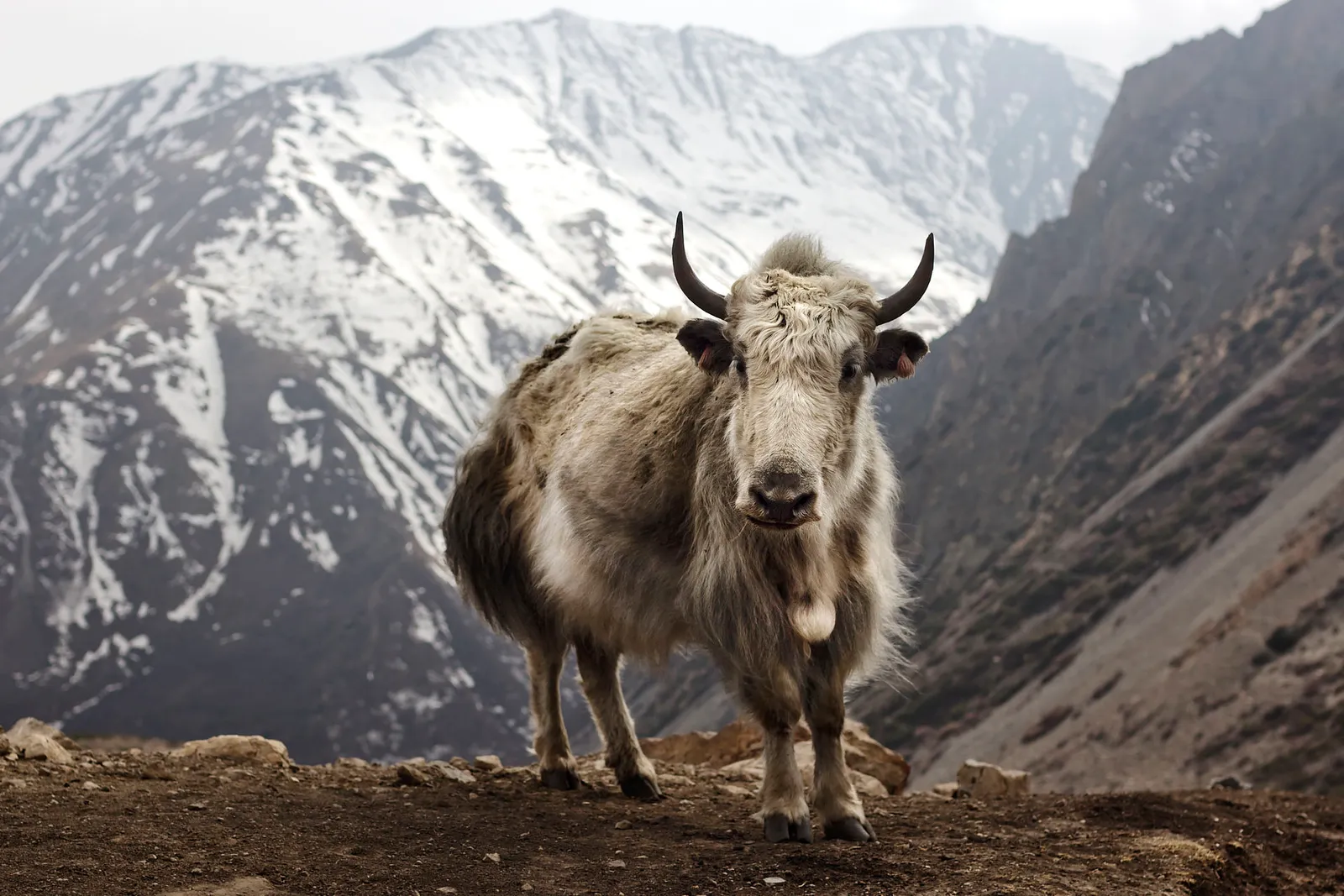
See the Poon Hill trek & cost →Featured image: travelwayoflife via Wikimedia Commons (CC BY-SA 2.0).


Private departures on any date, hand-picked NMA guides, and 25+ years on the trail. Tell us your dates — we usually reply within a few hours.
Browse all treks & tours →
Written by
Travel Himalaya NepalPokhara-based, NMA-certified trekking guides. We’ve led 5,000+ treks across the Annapurna and Everest regions since 1998 — every word here comes from the trail. More from this author →
Share this article
Ready to Trek?
From reading about it to standing on it
Our Pokhara-based guides have been doing this since 1998. Tell us your dates and fitness level — we'll build your perfect itinerary. Free, no obligation.
Why trek with our licensed agencyMore guides like this
Popular trips to consider
View all treks & toursFree Trekker's Insider Guide
Permits, packing lists, cost breakdowns — no fluff.
We send one useful email. You can unsubscribe anytime.