
The short version
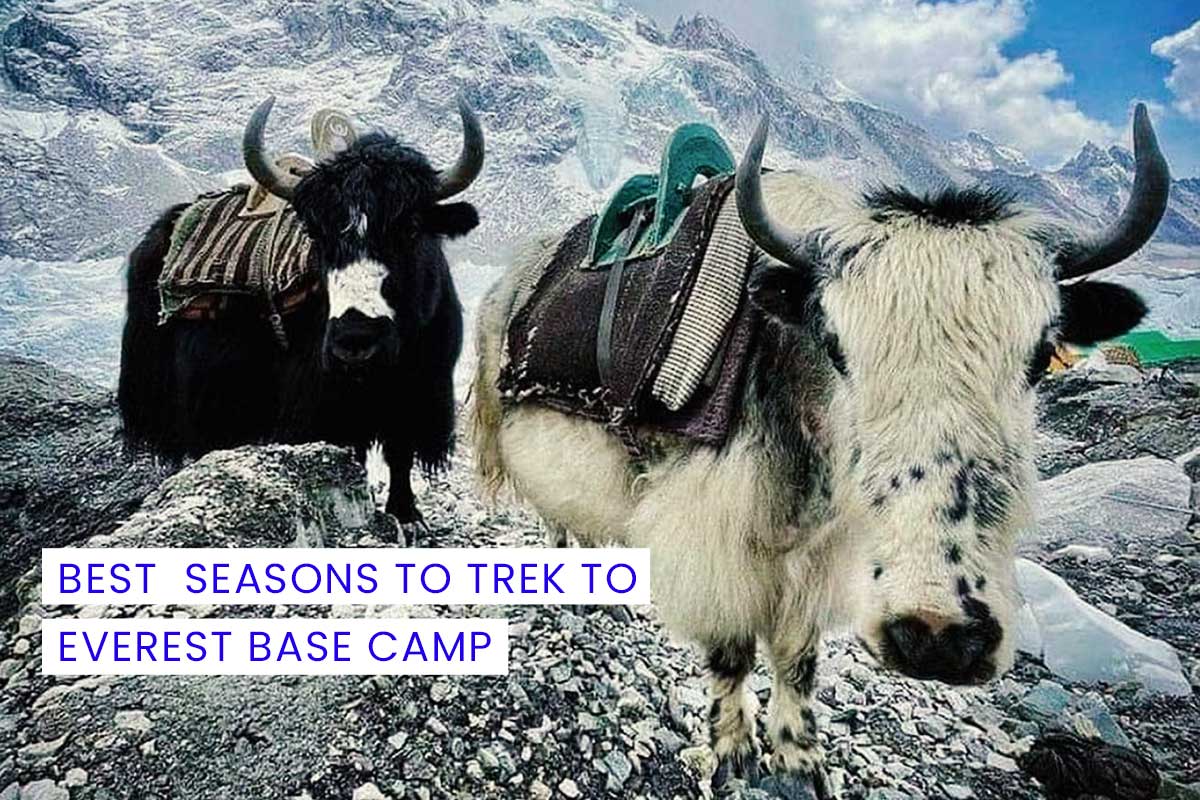
The majestic Everest Base Camp (EBC) trek, nestled in the heart of the Himalayas, beckons countless adventurers worldwide. But with its diverse weather patterns, choosing the best season to trek to Everest Base Camp is crucial for a safe and enjoyable experience. This guide by Travel Himalaya Nepal sheds light on the pros and cons […]
After more than two decades guiding trekkers up the Khumbu Valley, the question I am asked most is not "how hard is it?" but "when should I go?" Choosing the right season for your Everest Base Camp (EBC) trek shapes everything: the mountain views, the temperature in your sleeping bag at 5,140m, how busy the teahouses are, and even your odds of summiting Kala Patthar in clear weather. This is our honest, first-hand guide to the EBC seasons in 2026.


- Spring (March–May) and autumn (September–November) are the two best seasons — stable weather, clear skies, the safest trails.
- October is the single most reliable month: washed-clean post-monsoon air, legendary stability, and the best mountain visibility of the year.
- Spring brings warmer days and blooming rhododendrons but hazier afternoons and (in the high season) crowds.
- Winter (December–February) is for experienced trekkers only; monsoon (June–August) is best avoided due to rain, cloud and leeches at lower elevations.
- Permits in 2026: Sagarmatha National Park NPR 3,000 + Khumbu Pasang Lhamu Rural Municipality NPR 3,000 (~USD 45 total). No TIMS card needed in Khumbu.
The two best seasons at a glance
For the vast majority of trekkers, the choice is simple: spring or autumn. Both deliver dry, settled weather, clear morning skies and trails that are safe to walk without technical winter gear. The differences are in the detail — temperature, haze, crowds and the colour of the landscape — and that detail is where you decide.
| Season | Months | Pros | Cons |
|---|---|---|---|
| Spring | Mar–May | Warmer days, blooming rhododendrons, longer daylight, climbing-season buzz at Base Camp | Hazier afternoons, busy trails in Apr, occasional pre-monsoon storms up high |
| Autumn | Sep–Nov | Most stable weather, crystal-clear post-monsoon visibility, comfortable daytime temps | Cold nights, peak crowds in mid-Oct, fully booked teahouses |
| Winter | Dec–Feb | Empty trails, pristine snow, sharp clear skies | Severe cold, snow-blocked passes, many teahouses closed — experienced only |
| Monsoon | Jun–Aug | Lush valleys, almost no other trekkers, lowest prices | Rain, cloud-obscured peaks, flight delays, leeches lower down — not recommended |
Spring (March–May)
Spring is the postcard season. As the valley thaws, the lower forests around Namche, Phakding and Tengboche erupt with blooming rhododendrons, and the days are noticeably warmer than in autumn. By late spring, daytime highs near Base Camp reach roughly 0°C to 10°C, while nights stay mostly above -15°C — comfortable by Himalayan standards. Spring is also the climbing season, so reaching Base Camp in April or May means walking into the colourful, humming tent city of the Everest summit expeditions, an experience autumn cannot offer.
The trade-off is haze and crowds. Dust and pre-monsoon moisture build through the afternoons, so mountain views are sharpest at dawn and can soften by lunchtime. April is the busiest spring month, with teahouses filling fast on the classic 14-day Everest Base Camp route.
In spring, set out early. We start most days by 7am so you cross the high points and viewpoints while the air is still crystal-clear, before the afternoon haze rolls in. It is also far warmer walking than waiting around in the shade.
What to pack for spring
- Rain shell and pack cover for pre-monsoon showers down low
- Convertible hiking trousers and lightweight thermals for warm days
- A proper down jacket for cold nights and dawn starts above 4,000m
Autumn (September–November)
If I had to recommend one window, it would be autumn — and specifically October. The monsoon washes the atmosphere clean, leaving the post-monsoon air free of dust and haze. The result is the best mountain visibility of the entire year: deep blue skies, sharp ridgelines, and Everest, Lhotse, Nuptse and Ama Dablam in full, unobstructed glory. October's weather stability is genuinely legendary; it is the most popular trekking month not just in Nepal but arguably in the world.
Daytime highs near Base Camp sit around 0°C to 5°C, with nights between -5°C and -10°C — cold but very manageable with a four-season sleeping bag. Late September and late November are the quieter shoulders: nearly the same superb conditions with noticeably fewer people. By the end of November the cold sharpens as winter approaches.
The pre-monsoon and winter seasons both have a "view lottery" element — spring haze, winter storms. October removes most of that uncertainty. For first-time trekkers who want the highest chance of clear summit-morning views from Kala Patthar (5,545m), it is hard to beat.
What to pack for autumn
- Warmer thermals and a fleece mid-layer for chilly mornings and nights
- Waterproof, broken-in hiking boots for any early snow up high
- Trekking poles for stability on frosty trail sections
Winter (December–February)
Winter rewards the prepared with empty trails and the Khumbu draped in pristine snow under some of the sharpest skies of the year. But it is demanding. Temperatures plunge well below freezing day and night, heavy snow can block the high sections above Lobuche, and many teahouses close for the season. This is not a beginner's trek.
Winter EBC trekking is for experienced, well-equipped trekkers only. Snow can make trails treacherous, the Cho La and Renjo La passes are often impassable, and self-rescue options are limited when villages are quiet. Always go with a guide and confirm teahouse availability before you set off.
Monsoon (June–August): why we advise against it
The summer monsoon brings heavy, persistent rain to the lower Khumbu, cloud that obscures the very peaks you came to see, and a real risk of Lukla flight delays as low cloud grounds aircraft for days. Lower-elevation forests bring leeches and slippery trails. Some hardy trekkers do go for the lush, near-empty valleys and rock-bottom prices, but for a once-in-a-lifetime EBC trek, the odds of being rained and clouded out are simply too high. We do not run scheduled EBC departures in the core monsoon.
Permits, costs and altitude — season-independent essentials
Whatever season you choose, two permits are required for EBC in 2026, and a TIMS card is no longer needed inside the Khumbu:
| Permit | Cost (foreigner, 2026) | Where to get it |
|---|---|---|
| Sagarmatha National Park Entry | NPR 3,000 (~USD 22) | Kathmandu (NTB) or Monjo checkpoint |
| Khumbu Pasang Lhamu Rural Municipality | NPR 3,000 (~USD 23) | Lukla or Monjo |
| Total | NPR 6,000 (~USD 45) | Carry Nepali Rupees — cash only |
Permit fees are non-refundable, and the Khumbu accepts Nepali Rupees only — bring cash. A full guided EBC trek typically costs USD 1,400–2,500 depending on inclusions, route and group size; you can read the detailed breakdown in our Everest Base Camp cost guide for 2026. For the official permit framework, see the Nepal Tourism Board and our own EBC permit deep-dive.
No season makes altitude sickness "go away." Base Camp sits at 5,364m and Kala Patthar at 5,545m. A gradual ascent with proper acclimatisation days (we build in two — at Namche and Dingboche) is the single biggest factor in a safe, successful trek. Read our altitude sickness prevention guide before you go.
So, when should you go?
If you want the most reliable clear views and the safest, most settled conditions, book October (or late September / late November for fewer crowds). If you prefer warmer days, the rhododendron bloom and the energy of climbing season, choose April or May and start each day early. Avoid the monsoon, and only attempt winter if you are experienced and properly equipped. For a wider look at timing across the country, see our best time to trek Nepal in 2026 guide, and the Everest region guide for routes and logistics.
What is the single best month to trek to Everest Base Camp?
October. The post-monsoon air is washed clean of dust and haze, giving the most reliable clear skies and the best mountain visibility of the year, alongside settled, stable weather. Late September and late November offer almost the same conditions with fewer crowds.
Is spring or autumn better for EBC?
Both are excellent. Autumn (especially October) has the clearest, most stable weather. Spring (April–May) is warmer, brings blooming rhododendrons at lower elevations and the buzz of climbing season at Base Camp, but afternoons can be hazier and April trails are busy.
Can you trek to Everest Base Camp in winter?
Yes, but only if you are experienced and well-equipped. Expect severe cold day and night, possible heavy snow blocking high sections, and many closed teahouses. The reward is empty trails and pristine snow under sharp skies. It is not suitable for beginners.
Why is the monsoon season (June–August) not recommended?
Heavy rain obscures the peaks with cloud, Lukla flights are frequently delayed by low cloud, and lower trails are slippery with leeches. While valleys are lush and prices low, the high chance of being clouded out makes it a poor choice for a once-in-a-lifetime trek.
How cold does it get at Everest Base Camp?
In peak seasons, daytime highs near Base Camp run roughly 0°C to 10°C in spring and 0°C to 5°C in autumn. Nights are cold — mostly above -15°C in spring and around -5°C to -10°C in autumn. Winter nights drop far lower. A four-season sleeping bag is essential year-round.
What permits do I need for EBC in 2026 and how much do they cost?
Two permits: the Sagarmatha National Park Entry Permit (NPR 3,000, ~USD 22) and the Khumbu Pasang Lhamu Rural Municipality Permit (NPR 3,000, ~USD 23) — around NPR 6,000 (~USD 45) total. A TIMS card is no longer required inside the Khumbu. Permits are non-refundable and must be paid in Nepali Rupees.
Does the season affect altitude sickness risk?
Not directly — altitude is altitude regardless of season. The biggest protection is a gradual ascent with built-in acclimatisation days at Namche and Dingboche, staying hydrated, and descending if symptoms worsen. Choosing a stable-weather season simply reduces the chance of being forced to push on through bad conditions.
Our NMA-certified guides have led trekkers to Base Camp in every season since 1998 — 5,000+ treks, zero fatalities. Let us help you choose the right month, secure your permits and acclimatise safely on the classic 14-day route.
View the 14-Day Everest Base Camp Trek →Further resources: Nepal Tourism Board · Department of Immigration (visas) · World Health Organization travel advice.
Private Everest departures on any date, hand-picked NMA guides, and 25+ years on these trails. Tell us your dates — we usually reply within a few hours.
Browse Everest treks & tours → Read the Everest guide →
Written by
Travel Himalaya NepalPokhara-based, NMA-certified trekking guides. We’ve led 5,000+ treks across the Annapurna and Everest regions since 1998 — every word here comes from the trail. More from this author →
Share this article
Ready to Trek?
From reading about it to standing on it
Our Pokhara-based guides have been doing this since 1998. Tell us your dates and fitness level — we'll build your perfect itinerary. Free, no obligation.
Why trek with our licensed agencyMore guides like this
Popular trips to consider
View all treks & toursFree Trekker's Insider Guide
Permits, packing lists, cost breakdowns — no fluff.
We send one useful email. You can unsubscribe anytime.